
At Alfa University College (AUC), Malaysia, we believe that financial hardship should never be a barrier to higher education. Many of our students come from the poorest families, where completing a university degree may seem out of reach. To bridge this gap, AUC has put in place a comprehensive support system that addresses not only academic needs but also the essential living conditions required for students to thrive and complete their studies successfully.
Food Assistance
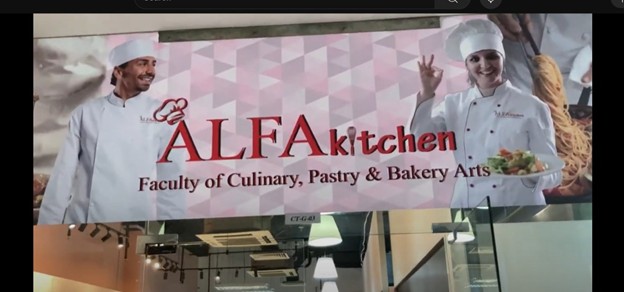
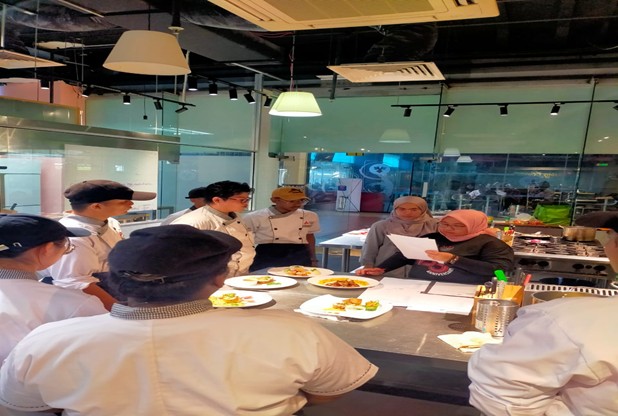
Access to proper nutrition is vital for student success. AUC provides:
- Subsidized meals through on-campus dining facilities.
- Meal vouchers for students from the lowest financial backgrounds.
- Partnerships with food donors and community organizations to ensure no student goes hungry.
By 2026, AUC aims to provide over 50,000 subsidized meals annually, reducing food insecurity among at least 70% of students in the bottom two financial deciles.

Housing Support
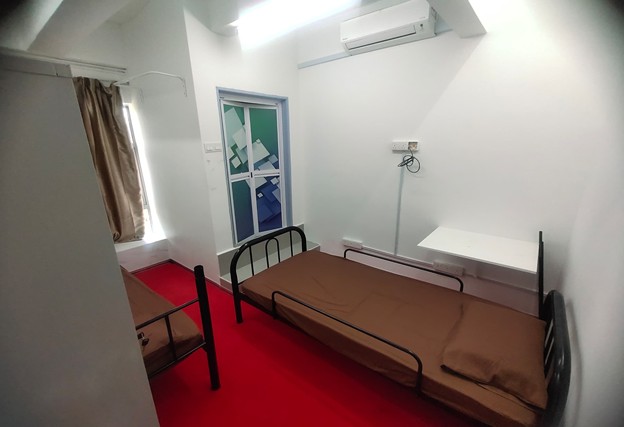
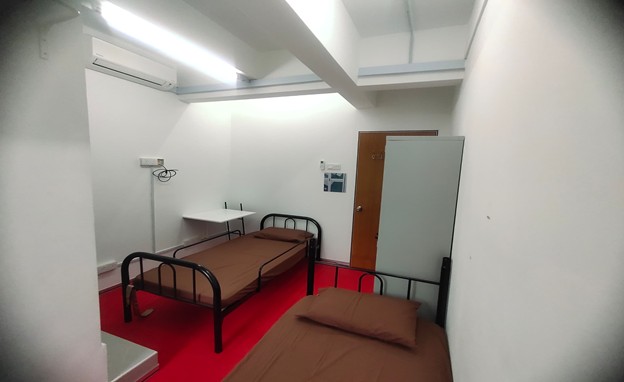
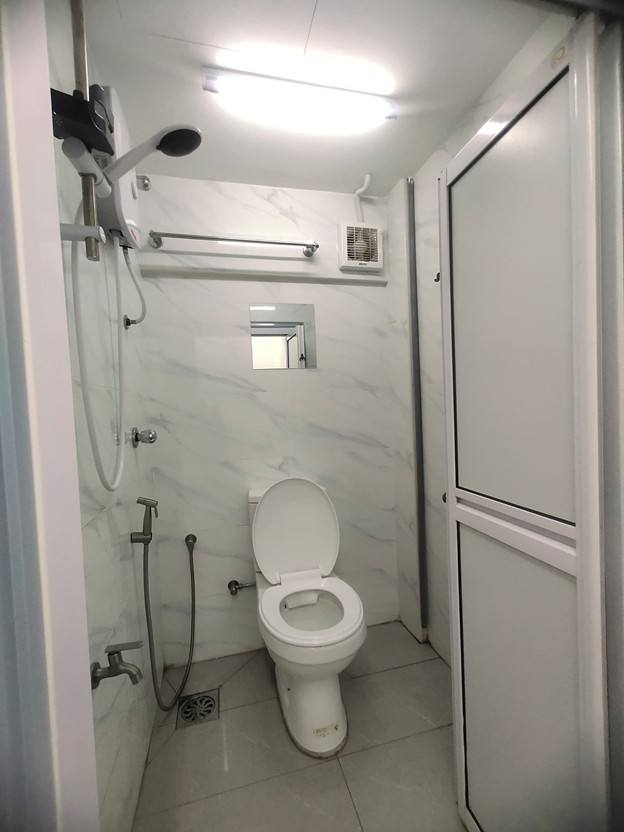
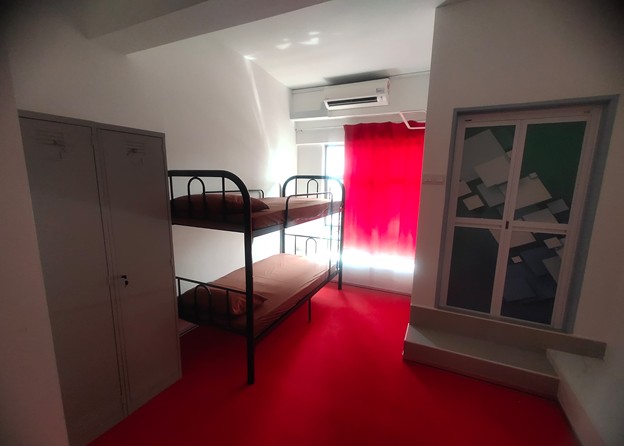
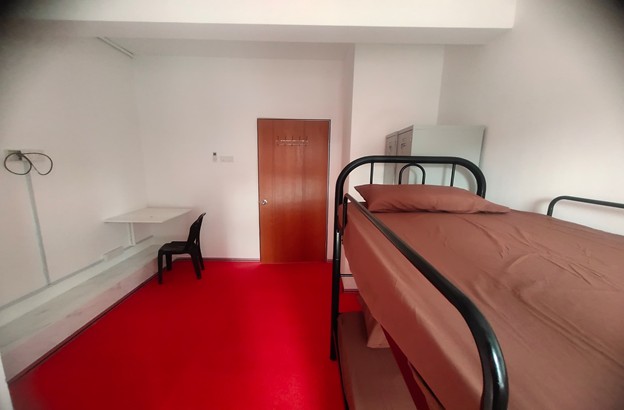
Safe and affordable accommodation is key to academic focus. To ease the burden of living costs, AUC offers:
- On-campus housing subsidies for eligible students.
- Rental assistance for those living off-campus.
- Emergency housing options for students at risk of homelessness.
Each year, AUC provides housing support for at least 200 students from the lowest-income backgrounds, ensuring a safe environment conducive to academic success.


Transportation Aid
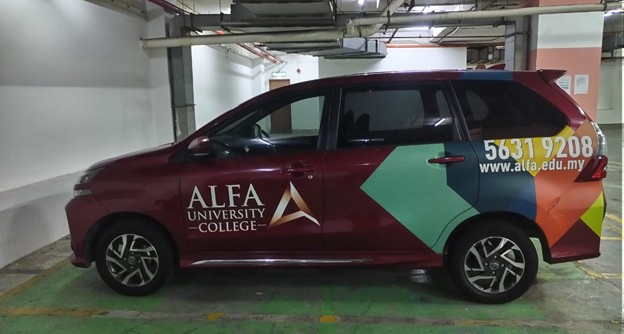
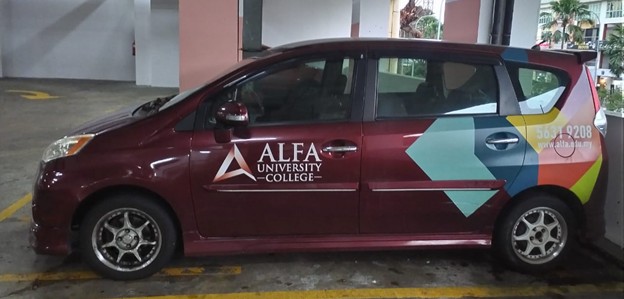
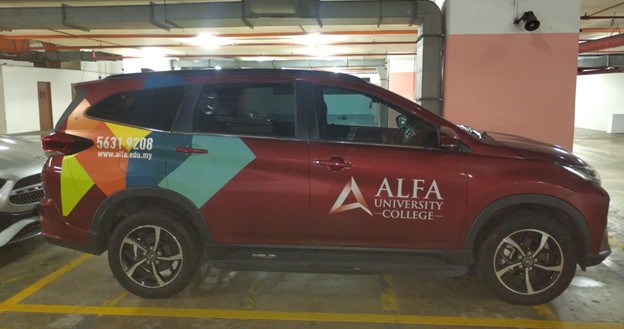
Transportation costs can be a major challenge, particularly for students from rural or disadvantaged communities. AUC supports students by:
- Providing discounted or free shuttle services to and from campus.
- Offering transportation allowances for low-income students who commute long distances.
AUC’s goal is to cover up to 80% of transportation costs for at least 65% of the disadvantaged students annually, improving class attendance and retention.
Legal and Welfare Services
Beyond financial struggles, some students face legal or social challenges. To ensure their well-being, AUC provides:
- Free or low-cost legal advisory services for students in need.
- Student welfare officers who guide and assist students with social, financial, or personal issues.
- Advocacy and referrals to external agencies for additional support.
By 2027, at least 95% of students seeking welfare or legal assistance will receive timely support, helping reduce stress and academic disruption.

Through these initiatives, Alfa University College creates a safety net for students from the poorest families, ensuring they can focus on their studies rather than financial survival. By addressing food, housing, transportation, and legal needs, AUC empowers students to remain enrolled, progress academically, and ultimately graduate with the skills and qualifications to transform their lives and uplift their communities.

AUC aims to achieve a 90% graduation rate among students from the bottom two financial deciles by 2030, setting a benchmark for inclusive higher education in Malaysia.