ADVANCING THE UNITED NATIONS SUSTAINABLE DEVELOPMENT GOALS THROUGH GOVERNMENT ENGAGEMENT, NGO COLLABORATION, INTERNATIONAL CONFERENCES, POLICY FORUMS AND MULTI-STAKEHOLDER PARTNERSHIPS
Alfa University College (AUC), Malaysia, is committed to advancing sustainable development through meaningful collaboration, constructive dialogue and knowledge-sharing among government institutions, non-governmental organisations, academic institutions, industry partners and community stakeholders.
Recognising that the complex challenges addressed by the United Nations Sustainable Development Goals (SDGs) cannot be resolved by individual institutions working independently, AUC actively promotes cross-sectoral cooperation as an essential foundation for inclusive, equitable and sustainable development.
AUC initiates and participates in forums, seminars, conferences, policy dialogues and collaborative activities that facilitate the exchange of knowledge, professional expertise and innovative solutions.
These engagements bring together stakeholders from different sectors to explore challenges affecting education, public health, environmental sustainability, innovation, poverty reduction, social inclusion and economic development.
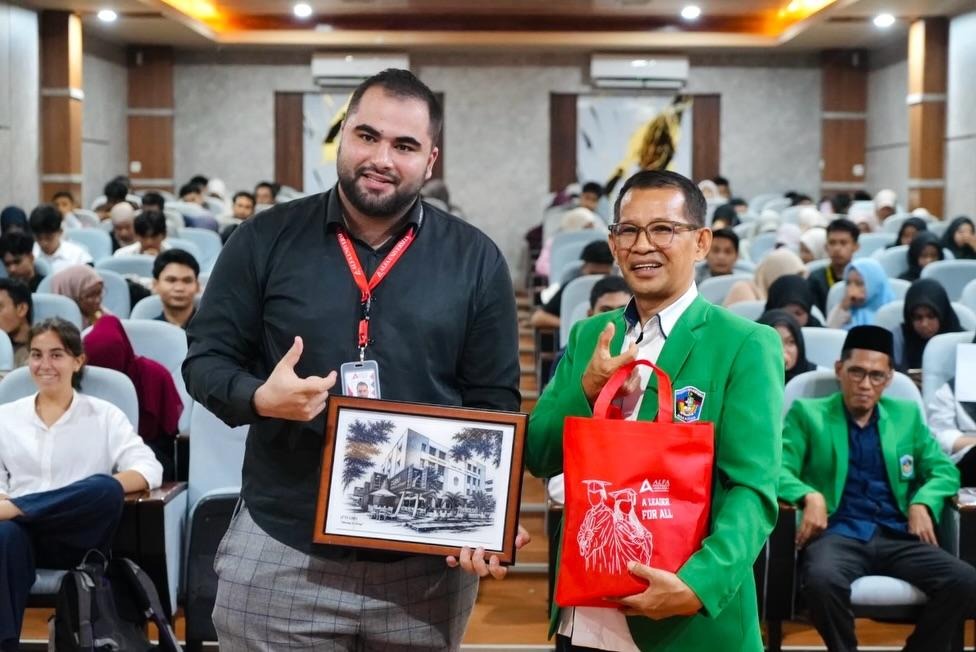
Through its academic expertise, institutional networks, collaborative research and community engagement, AUC seeks to strengthen the connection between higher education, public policy, industry practices and the developmental priorities of society.
Initiating and Hosting SDG-Focused Conferences and Multi-Stakeholder Forums
AUC recognises that conferences, symposiums and professional forums provide important platforms for bringing together individuals and organisations with shared interests in sustainable development.
The College organises academic seminars, sustainability-focused forums and international conferences that create opportunities for engagement among policymakers, educators, researchers, industry professionals and civil society representatives.
These events encourage participants to share experiences, discuss emerging development challenges and examine practical approaches to advancing the SDGs.
Key discussion areas include inclusive education, environmental protection, sustainable economic growth, technological innovation, social well-being and responsible institutional development.
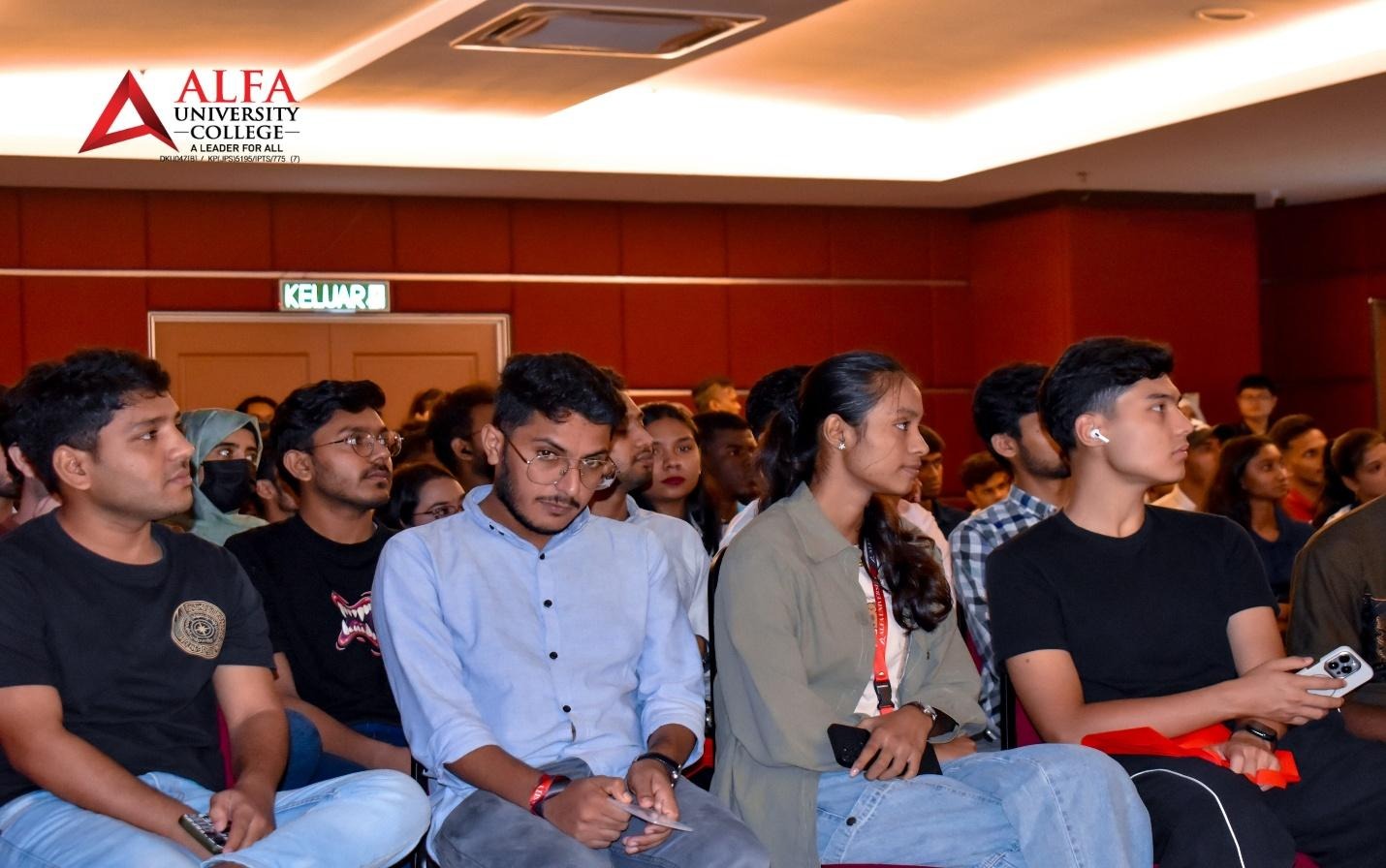
Through such gatherings, AUC promotes interdisciplinary dialogue and encourages participants to recognise the interconnected nature of sustainable development challenges.
The College’s conference and forum initiatives also contribute to strengthening professional networks, identifying opportunities for collaborative projects and encouraging the exchange of ideas that can inform future institutional and community development activities.
By providing platforms for multi-stakeholder engagement, AUC reinforces its role as a centre for academic discussion, professional cooperation and sustainable development advocacy.
Participation in Government-Led Conferences and Policy Dialogues
AUC recognises the importance of maintaining constructive engagement with government agencies and public institutions responsible for developing and implementing national policies.
The College participates in government-related discussions, institutional consultations, policy forums and professional engagements that provide opportunities to exchange perspectives on educational development and other issues relevant to sustainability.
Its published institutional activities include engagement with Malaysia’s higher education leadership and representatives of the Malaysian Qualifications Agency.
These interactions provide opportunities to discuss educational quality, institutional development, academic innovation and the contribution of higher education to national priorities.
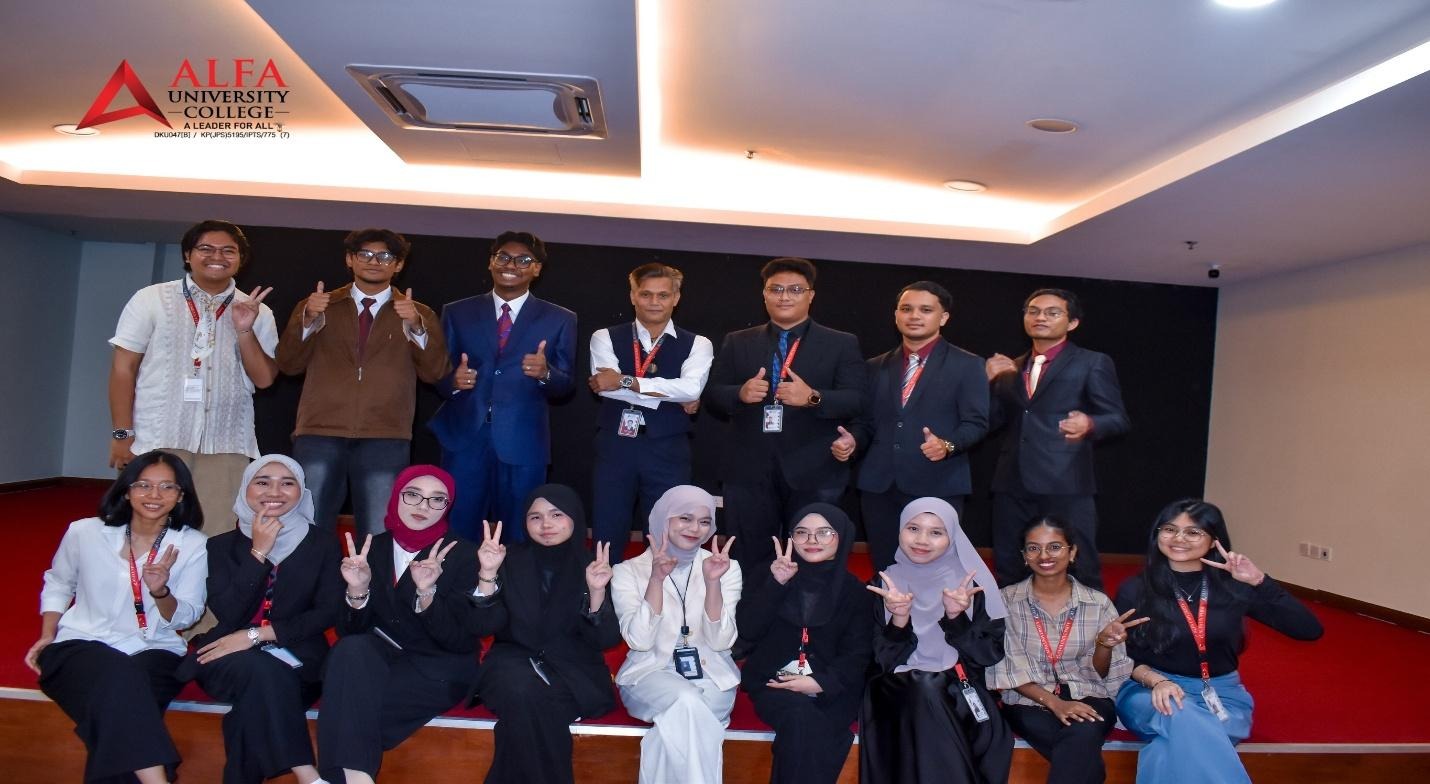
Through participation in government-related dialogue, AUC seeks to share academic expertise, communicate institutional experiences and contribute research-informed perspectives to discussions involving sustainable development.
Such engagement also helps the College understand emerging regulatory and national development priorities, enabling greater alignment between institutional activities and broader societal needs.
By maintaining cooperation with public authorities, AUC strengthens opportunities for meaningful dialogue between higher education institutions and government stakeholders.
Collaboration with Non-Governmental Organisations and Civil Society
AUC acknowledges the important role of NGOs and civil society organisations in addressing poverty, inequality, environmental challenges and other sustainable development priorities.
The College collaborates with local, regional and international NGOs to promote joint educational activities, community development programmes, research initiatives and sustainability awareness.
These partnerships facilitate interaction among university researchers, development practitioners, community representatives and other stakeholders who possess different but complementary expertise.
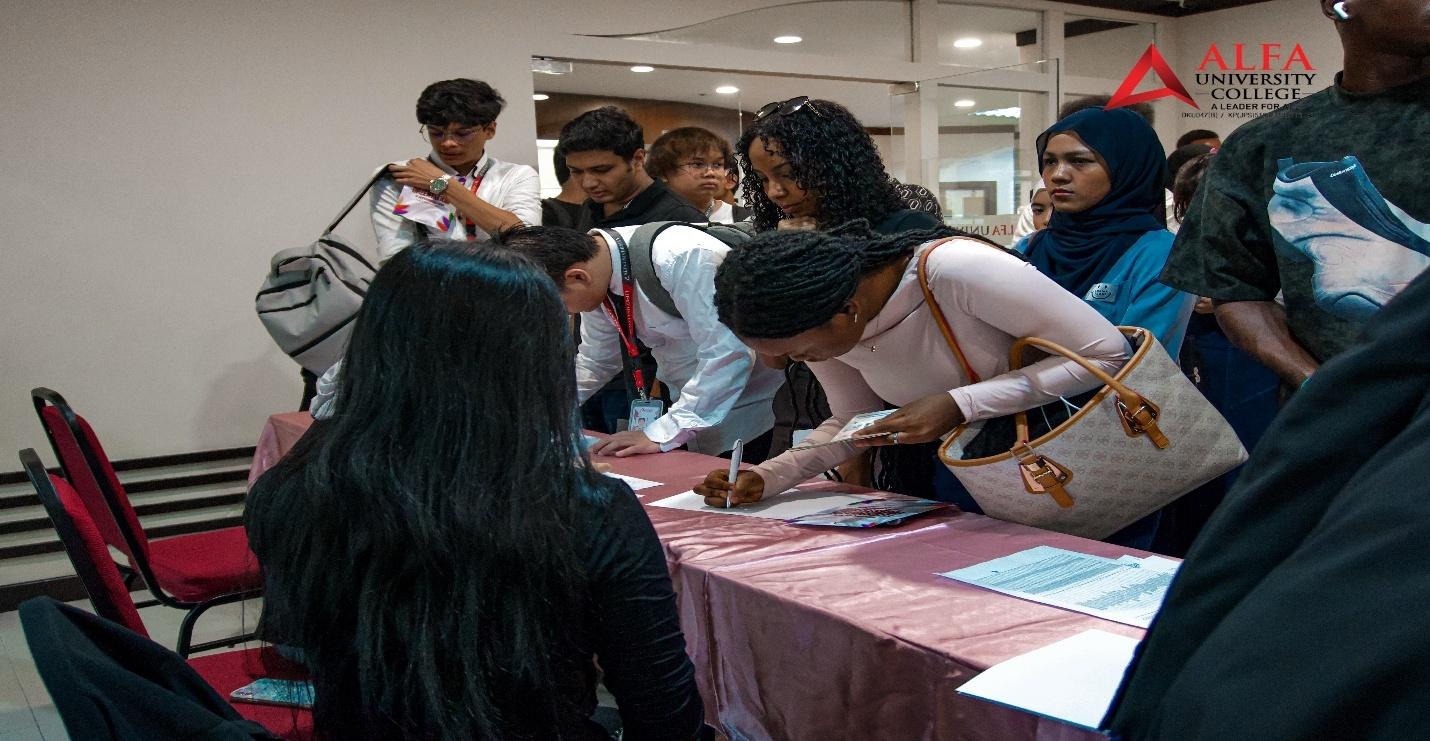
Through NGO engagement, AUC encourages dialogue on the needs of vulnerable populations, barriers to educational participation, community welfare and opportunities for sustainable socioeconomic development.
Collaborative activities include educational workshops, public seminars, community awareness campaigns, student volunteering and the development of learning resources.
By working with organisations directly engaged in community development, AUC strengthens opportunities to connect academic knowledge with practical experience.
These partnerships contribute to a more inclusive approach to sustainable development by encouraging community perspectives and local experiences to inform institutional discussions and collaborative initiatives.
International Conferences and Cross-Border Sustainability Dialogue
AUC recognises that sustainable development challenges frequently extend beyond national boundaries and require cooperation among institutions from different countries.
The College promotes international academic engagement through conferences, professional forums, collaborative meetings and partnerships with overseas universities and organisations.
These activities create opportunities for exchanging research findings, examining development approaches and sharing professional experiences across different national and regional contexts.
International dialogue also helps participants understand how approaches to education, innovation, environmental management and social inclusion differ across countries.
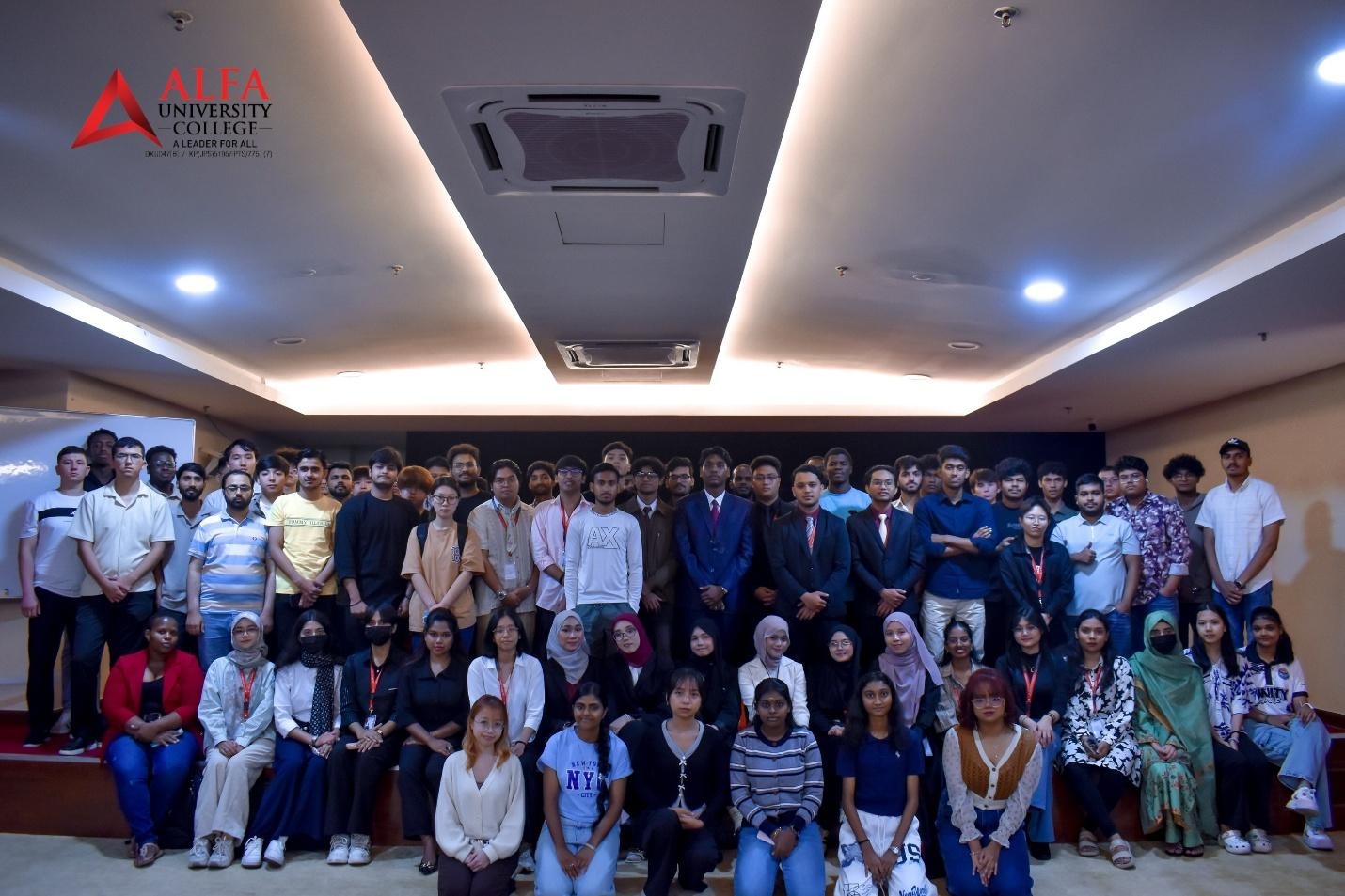
Through cross-border academic cooperation, AUC seeks to strengthen institutional learning and identify opportunities for joint research, educational exchange and sustainable development initiatives.
The College’s participation in international platforms reflects its commitment to broadening the perspectives of students and academic staff while contributing to global conversations on responsible development.
By maintaining international partnerships, AUC supports the exchange of knowledge and professional expertise that can strengthen cooperation among institutions working towards shared sustainability objectives.
Promoting Intercultural Dialogue, Social Inclusion and Peaceful Communities
AUC recognises that sustainable development also depends on peaceful coexistence, mutual understanding and respect for cultural and social diversity.
The College supports dialogue initiatives that bring together representatives from different cultures, institutions and professional backgrounds to promote understanding and cooperation.
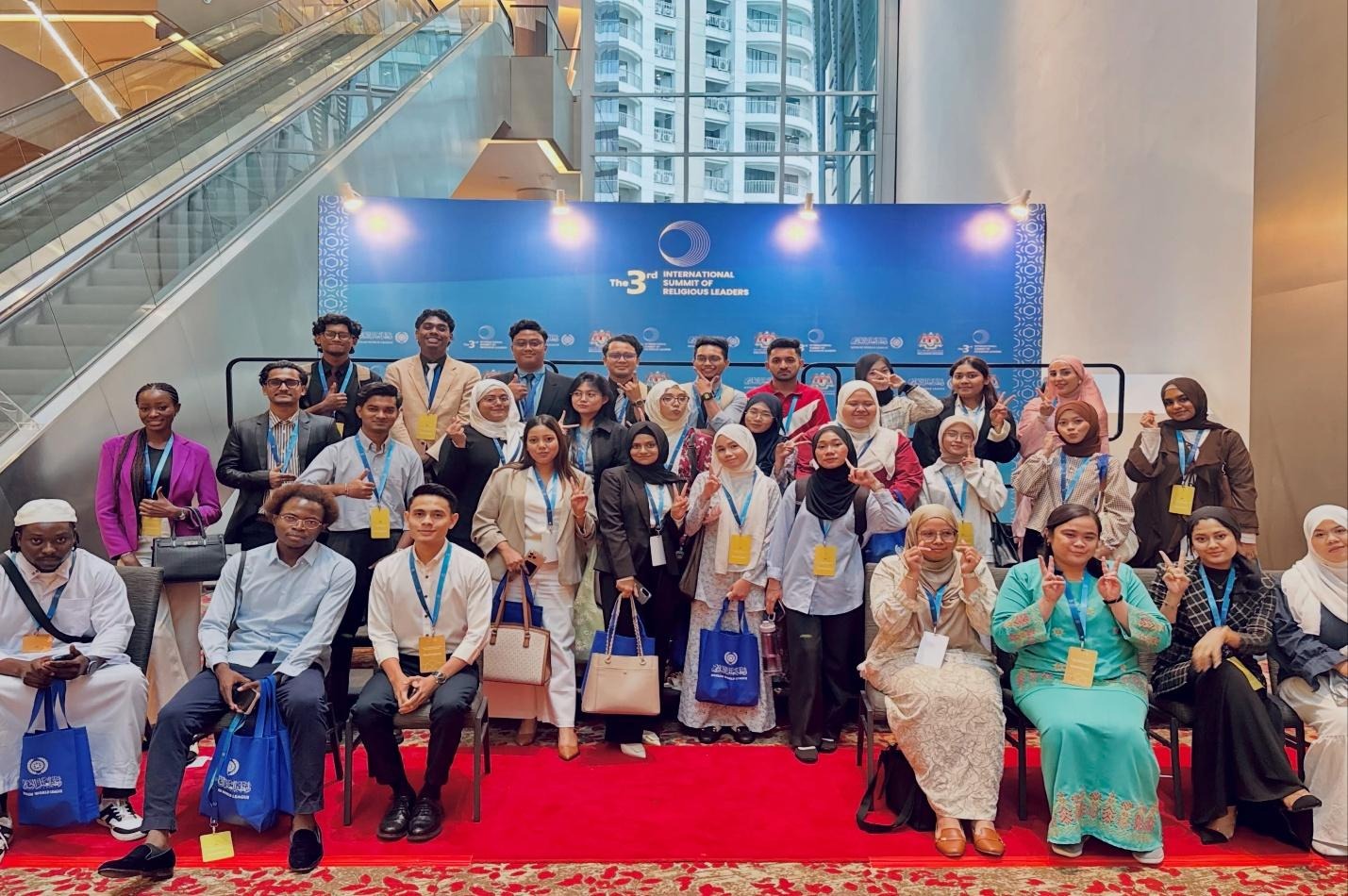
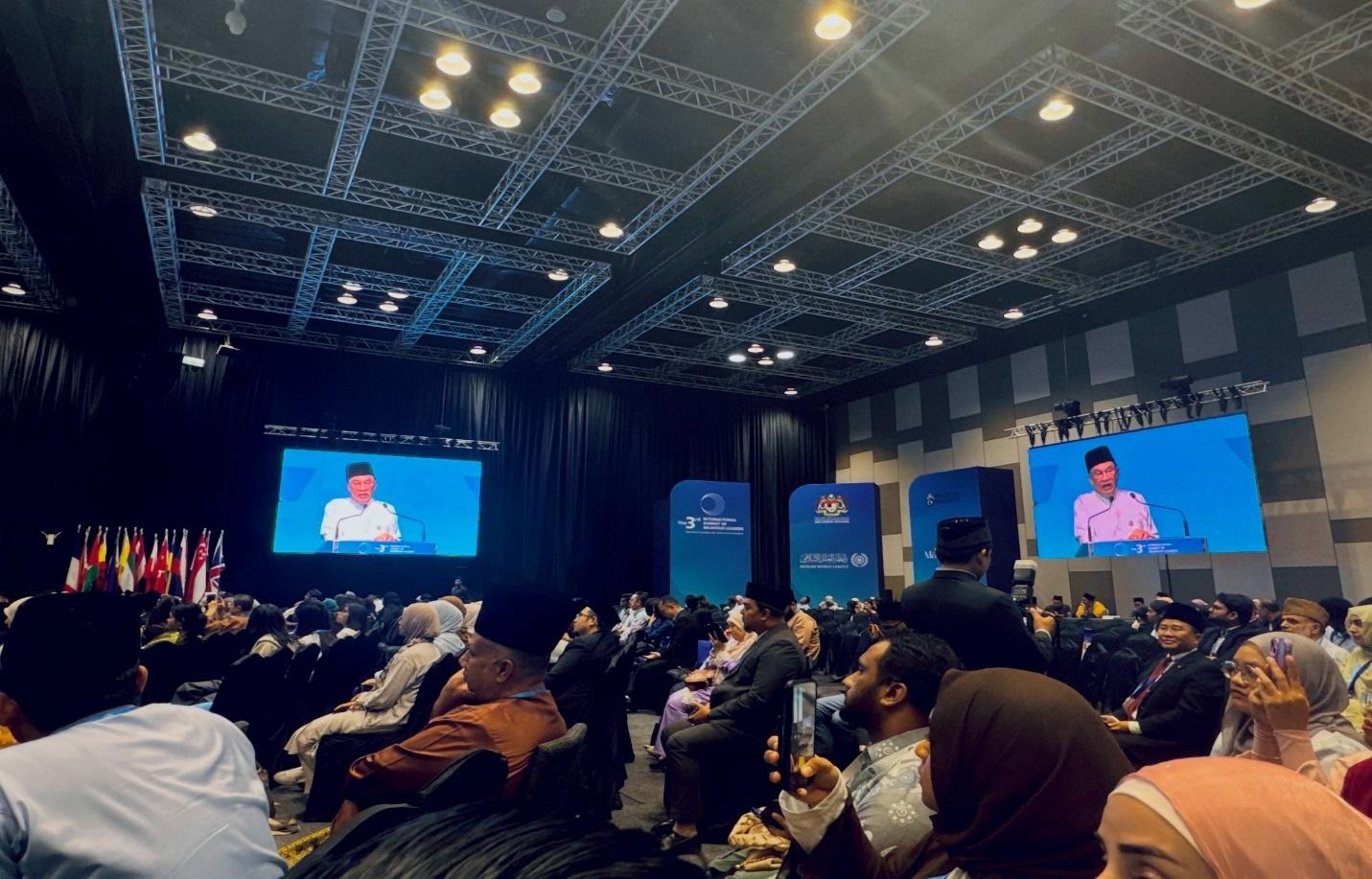
An example of this engagement was AUC’s participation in the 3rd International Summit of Religious Leaders 2026, held on 12 June 2026 at the Kuala Lumpur Convention Centre.
The summit brought together religious leaders, academics, policymakers and youth representatives to discuss youth empowerment, social harmony and the role of leadership in strengthening inclusive communities.
AUC students participated in the international gathering, engaging with discussions on intercultural understanding, responsible leadership and peaceful coexistence.
Another example was the academic seminar on World Arabic Language Day, held at AUC on 18 December 2025 through collaboration involving the International Civilizational Communication Centre and the Muslim World League Office in Malaysia.
The event brought together academic and diplomatic stakeholders to explore language, cultural exchange and international understanding.
Although these events were not presented exclusively as SDG policy conferences, their themes are relevant to SDG 16 (Peace, Justice and Strong Institutions) and SDG 17 (Partnerships for the Goals).
Through such engagements, AUC contributes to dialogue that encourages mutual respect, cultural cooperation and inclusive participation in society.
Cross-Sectoral Research Partnerships and Knowledge Exchange
AUC recognises that sustainable development requires evidence-based knowledge and collaborative research involving institutions with complementary expertise.
The College engages in research partnerships and academic knowledge-sharing arrangements with universities, development organisations and other stakeholders working on issues related to the SDGs.
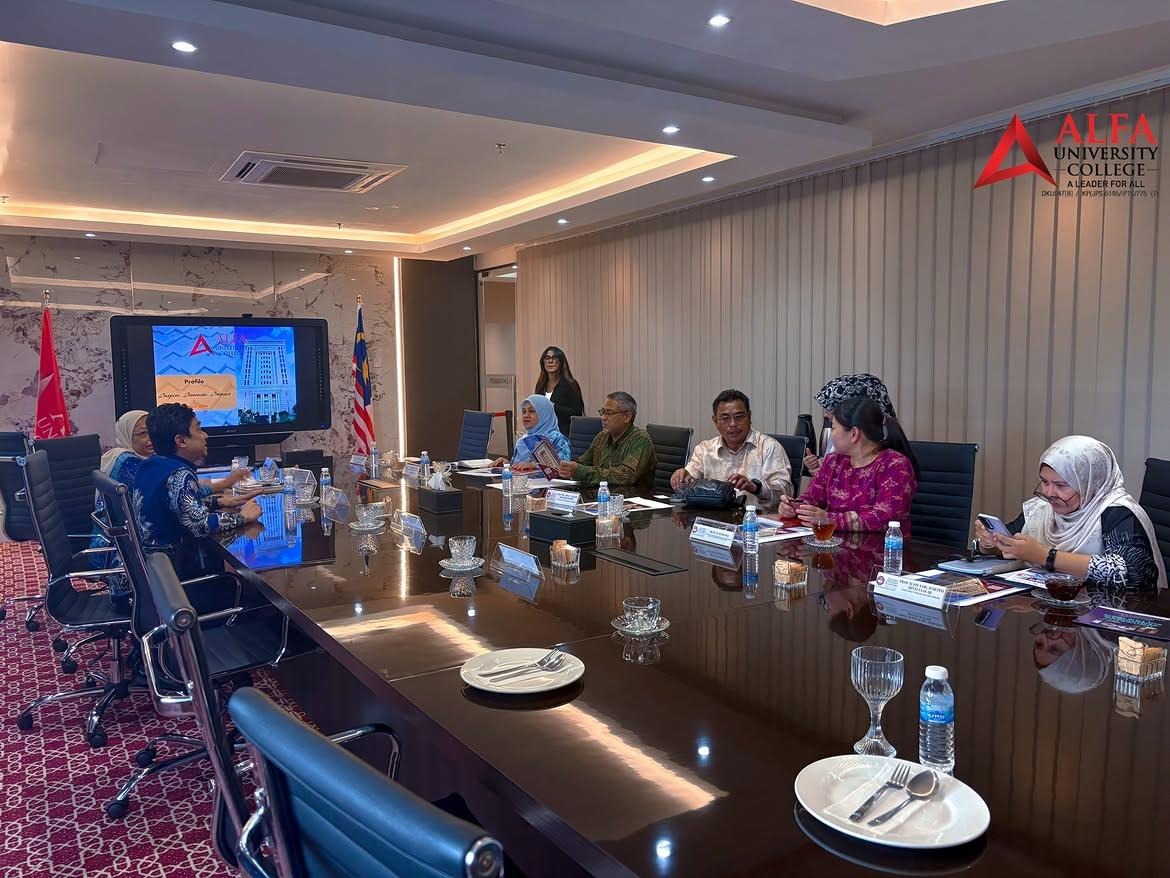
These activities provide opportunities for researchers and practitioners to examine common challenges, exchange methodologies and explore practical solutions.
Areas of collaboration include education, public health, environmental sustainability, technological innovation, social inclusion and community development.
Through interdisciplinary engagement, AUC promotes the application of academic findings to real-world development concerns.
The College also supports the exchange of research insights through seminars, collaborative discussions, academic publications and professional forums.
By encouraging cross-sectoral research partnerships, AUC seeks to strengthen the role of higher education in generating knowledge that can support informed development decisions and sustainable institutional practices.
Industry–Academia–Government Dialogue for Innovation and Sustainability
AUC recognises the importance of collaboration among government agencies, industries and universities in promoting innovation and strengthening economic development.
The College encourages engagement with industry professionals and public-sector stakeholders through academic forums, professional exchanges and collaborative learning activities.
These interactions provide opportunities to discuss technological developments, workforce requirements, innovation strategies and sustainable business practices.
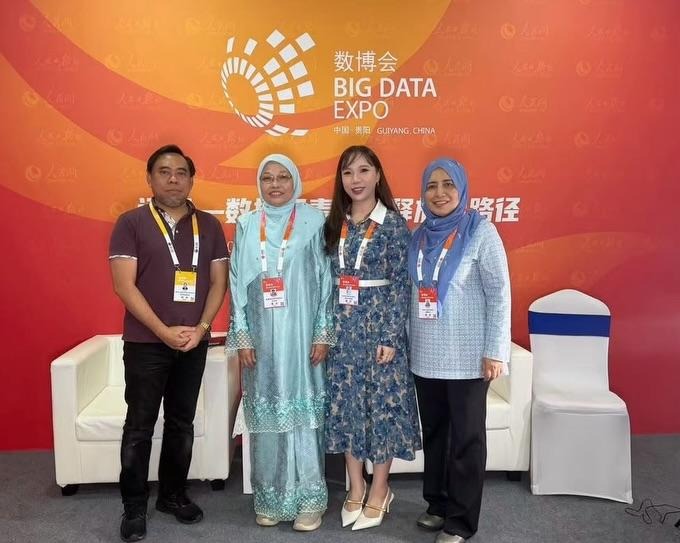
AUC’s involvement in international technology discussions, including its participation in the China International Big Data Industry Expo 2026, demonstrates its engagement with the relationship between technological innovation, industry development and higher education.
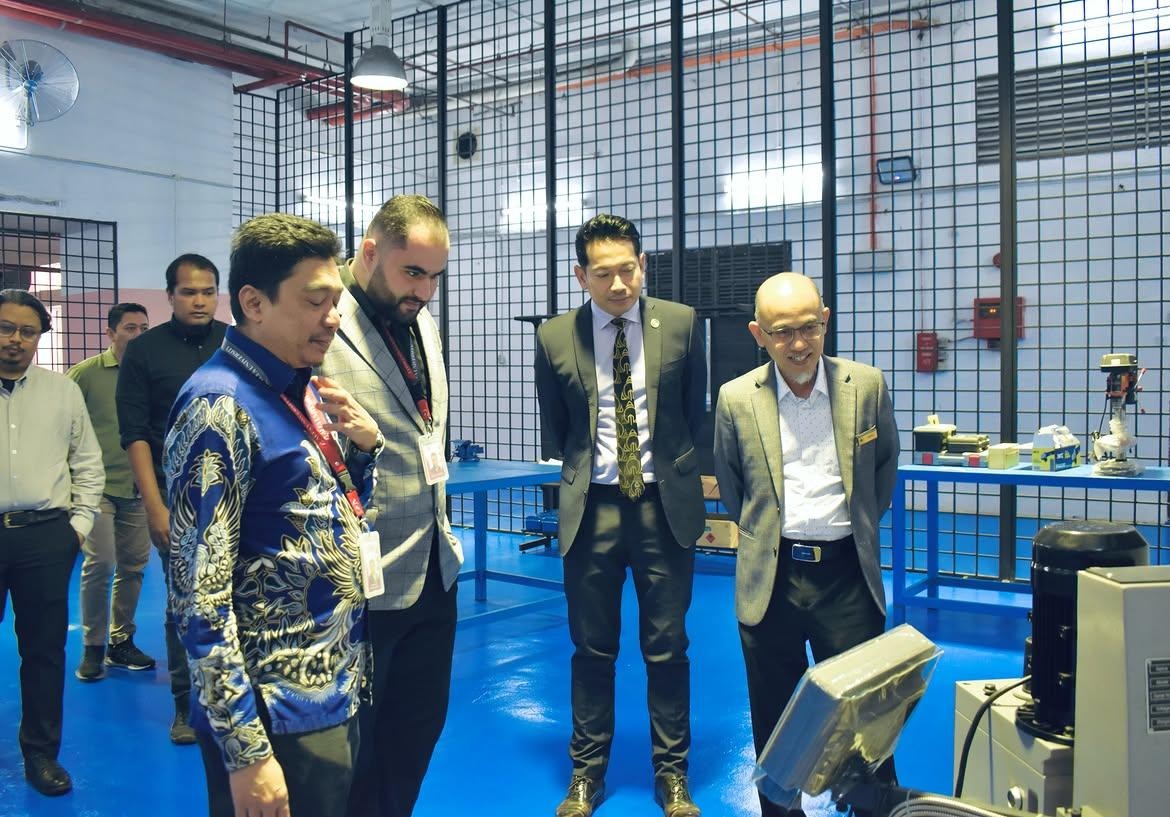
The College’s leadership has emphasised the importance of cooperation among universities, industry and government in developing technological capacity and preparing graduates for evolving professional environments.
Through these engagements, AUC seeks to strengthen awareness of emerging technologies and encourage collaboration that supports innovation, responsible digital transformation and workforce development.
Community-Based SDG Dialogues and Public Engagement
AUC believes that conversations about sustainable development should extend beyond government institutions and professional conferences to include the communities directly affected by development challenges.
The College therefore promotes public educational activities, community workshops and awareness programmes that encourage wider participation in SDG-related discussions.
These initiatives involve local residents, students, educators, community organisations and other interested stakeholders.
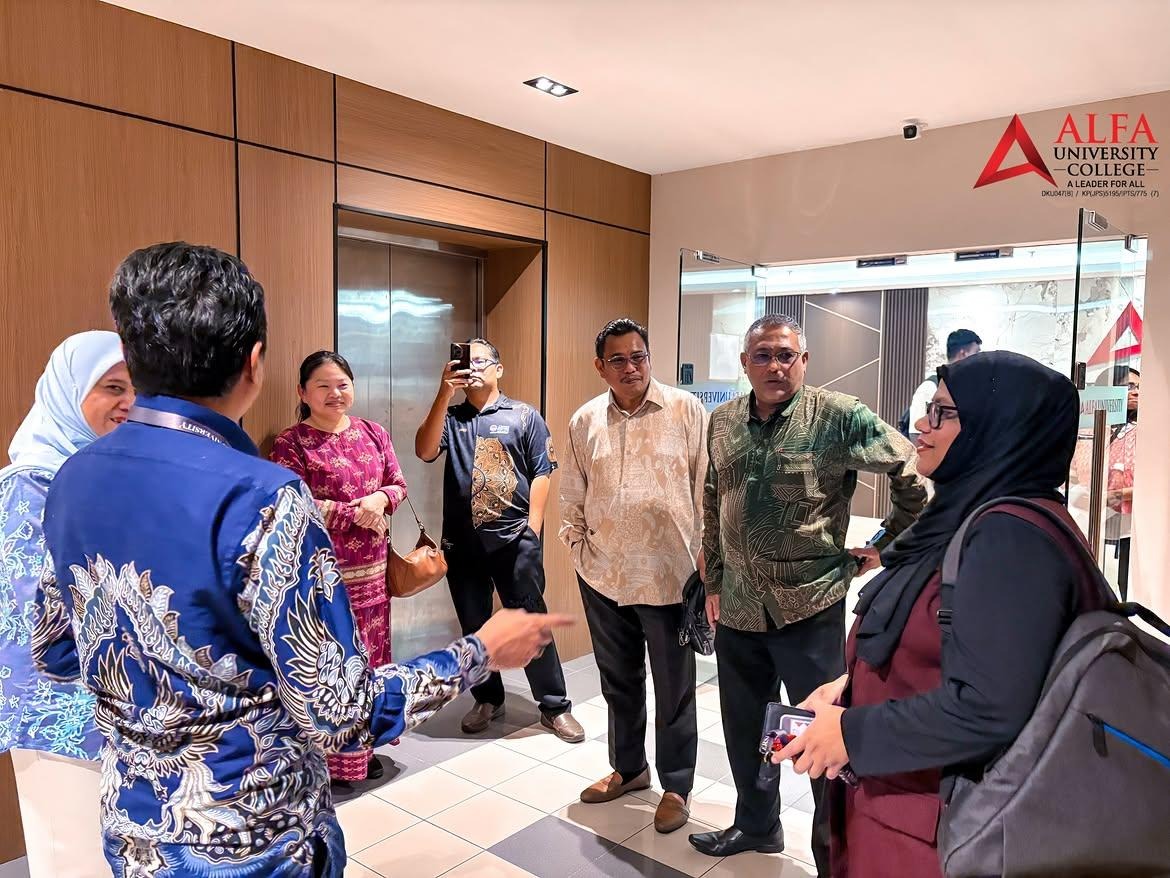
Community engagement activities address subjects such as environmental responsibility, digital literacy, entrepreneurship, health awareness, inclusive education and sustainable living.
Through such activities, AUC provides opportunities for participants to share experiences, discuss local challenges and consider practical actions that can contribute to community development.
The College recognises that public participation helps strengthen understanding of sustainability priorities and encourages individuals to contribute to development initiatives within their own communities.
By connecting institutional expertise with community perspectives, AUC promotes a participatory approach to sustainable development and inclusive knowledge-sharing.
Student and Academic Staff Participation in Cross-Sectoral SDG Dialogue
AUC encourages academic staff and students to participate in conferences, seminars, collaborative workshops and sustainability-related engagement activities.
Faculty members contribute disciplinary knowledge, research perspectives and professional experience to discussions involving government agencies, NGOs, industry stakeholders and other academic institutions.
Student participation provides opportunities for experiential learning and exposure to contemporary development challenges.
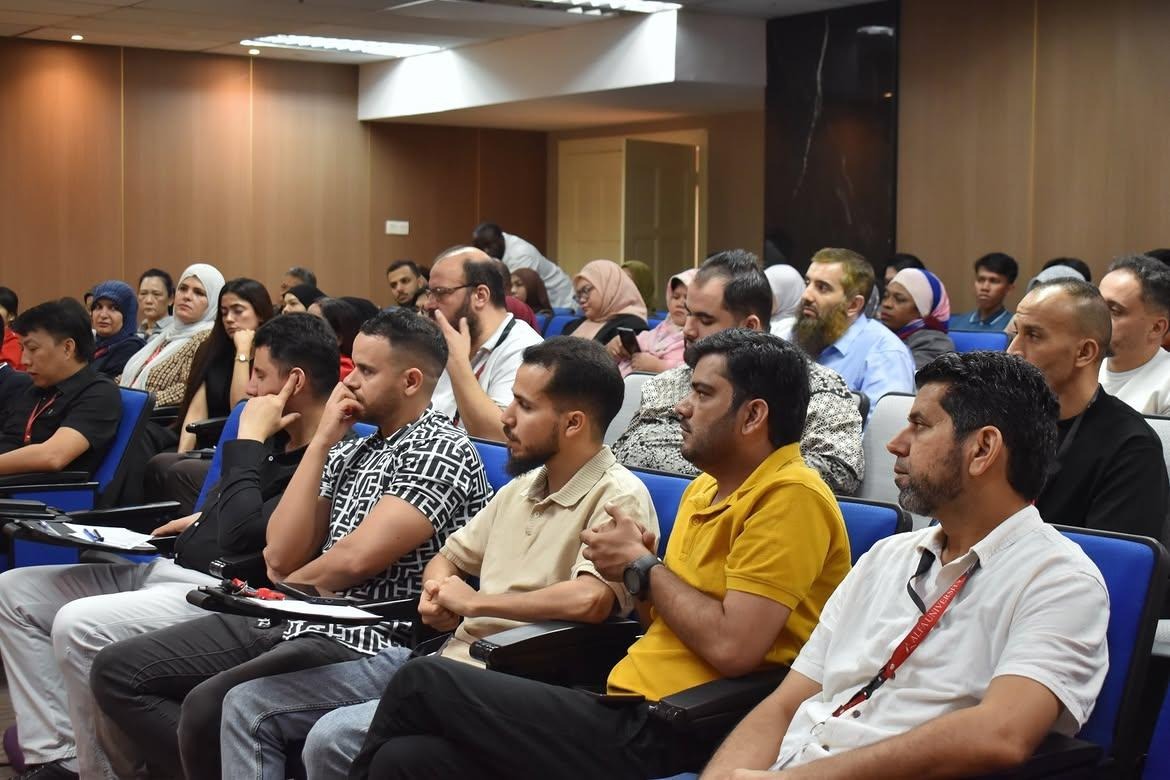
Through academic conferences, community projects, volunteering activities and professional dialogues, students develop a broader understanding of the relationship between education, public policy, social responsibility and sustainable development.
These experiences also strengthen communication, leadership, teamwork, intercultural awareness and problem-solving competencies.
The College regards student and academic participation as an important mechanism for developing socially responsible graduates who can contribute to constructive dialogue and community advancement.
By involving members of its academic community in cross-sectoral activities, AUC strengthens the practical relevance of education and promotes active engagement with the Sustainable Development Goals.
Regional and International SDG Networks
AUC recognises that sustained collaboration requires institutional relationships that extend beyond individual conferences and events.
The College therefore promotes participation in regional and international academic and professional networks that facilitate knowledge exchange, institutional cooperation and sustainable development engagement.
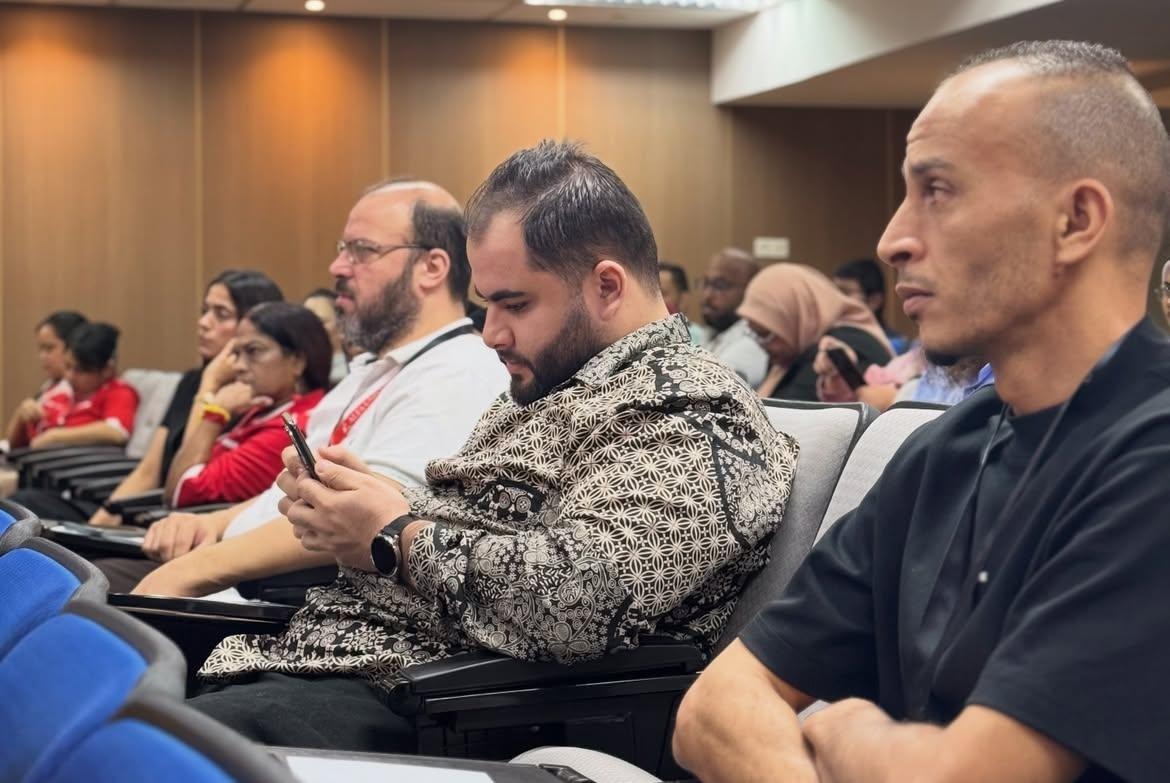
These networks create opportunities for universities and partner organisations to share experiences, discuss emerging challenges and identify potential areas for collaboration.
International partnerships also support the exchange of educational practices, research approaches and institutional perspectives relevant to sustainable development.
Through such engagement, AUC seeks to strengthen understanding of regional development priorities and support cooperation among institutions pursuing related objectives.
The College’s approach emphasises mutual learning and the importance of adapting relevant knowledge to local circumstances.
By maintaining relationships with academic and development partners, AUC contributes to the collaborative foundations necessary for advancing SDG implementation.
Strengthening Dialogue Through Capacity Building and Professional Training
AUC recognises that cross-sectoral partnerships are more effective when participating stakeholders possess the knowledge and competencies required to address development challenges.
The College therefore incorporates educational workshops, professional training and capacity-building activities into its wider sustainability engagement.
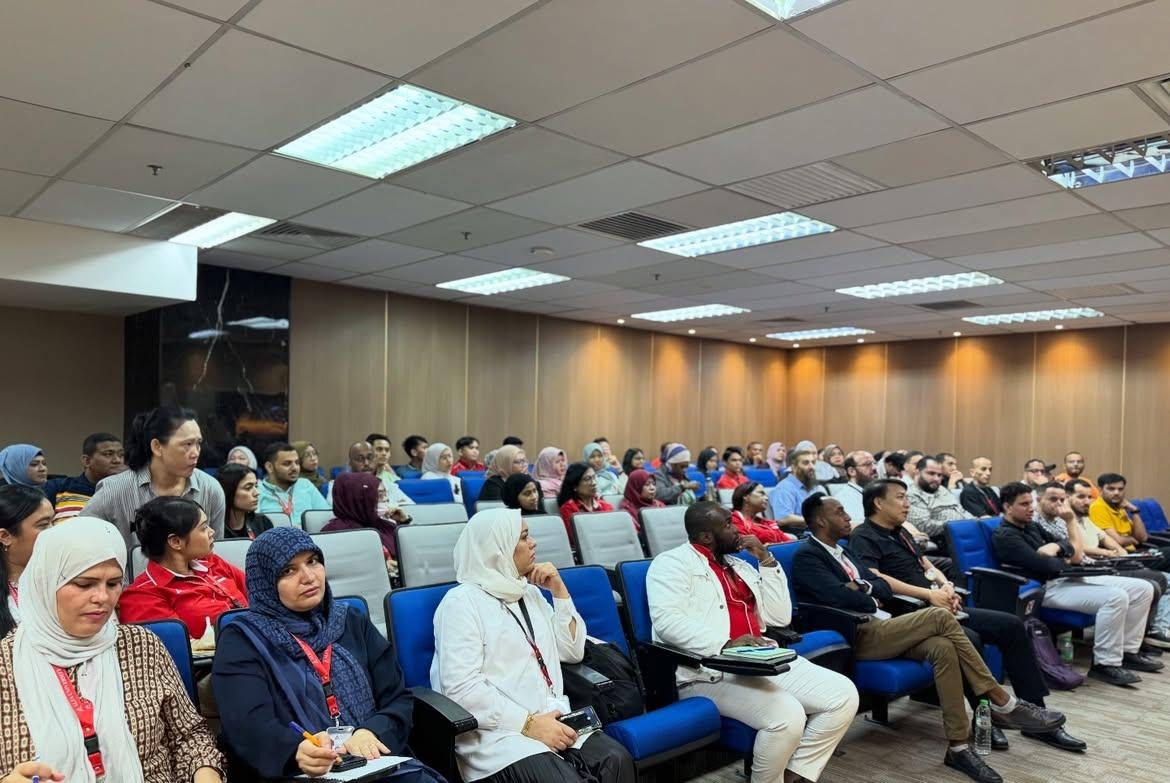
These programmes provide opportunities for government-related professionals, educators, community leaders, NGO representatives and other participants to strengthen their understanding of sustainability concepts.
Relevant learning areas include sustainable development planning, environmental awareness, digital literacy, community engagement and institutional management.
Capacity-building activities also provide platforms for participants to share experiences and discuss practical challenges encountered in their professional environments.
Through these learning opportunities, AUC seeks to strengthen the ability of stakeholders to contribute meaningfully to sustainability discussions and collaborative programmes.
The College recognises that knowledge sharing and professional development are important foundations for effective multi-stakeholder dialogue and long-term institutional cooperation.
Translating Dialogue into Collaborative Action
AUC recognises that meaningful cross-sectoral dialogue should create opportunities for practical cooperation and continued engagement.
The College’s collaborative approach encourages participants to identify areas of shared interest, exchange relevant information and explore opportunities for joint activities.
Potential outcomes of these engagements include collaborative research, community training, student volunteering, professional development programmes and further institutional discussions.
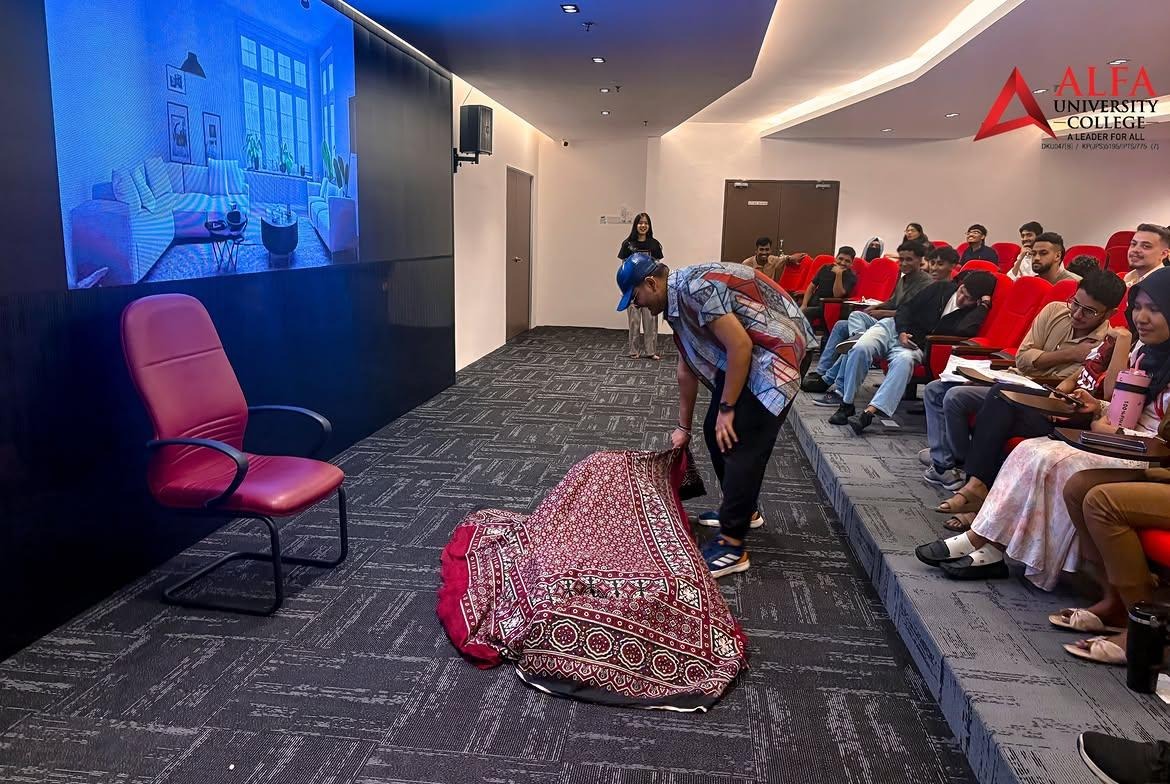
By connecting stakeholders with different forms of expertise, AUC seeks to promote cooperation that extends beyond individual events.
The College also recognises the importance of maintaining communication with participating organisations to support knowledge exchange and identify possible follow-up initiatives.
Through this approach, AUC encourages the development of partnerships that can contribute to sustainable community development and institutional improvement.
Monitoring Participation and Strengthening Partnership Effectiveness
AUC recognises that documenting cross-sectoral engagement is important for demonstrating institutional contributions to the Sustainable Development Goals.
The College’s sustainability reporting provides an opportunity to record conferences, policy dialogues, NGO engagements, collaborative activities and international partnerships.
Relevant indicators of engagement include the number of conferences organised or attended, participation by government and NGO representatives, collaborative research activities, community events and follow-up institutional initiatives.
Other useful measures include documented agreements, joint programmes, stakeholder feedback and evidence of continued cooperation.
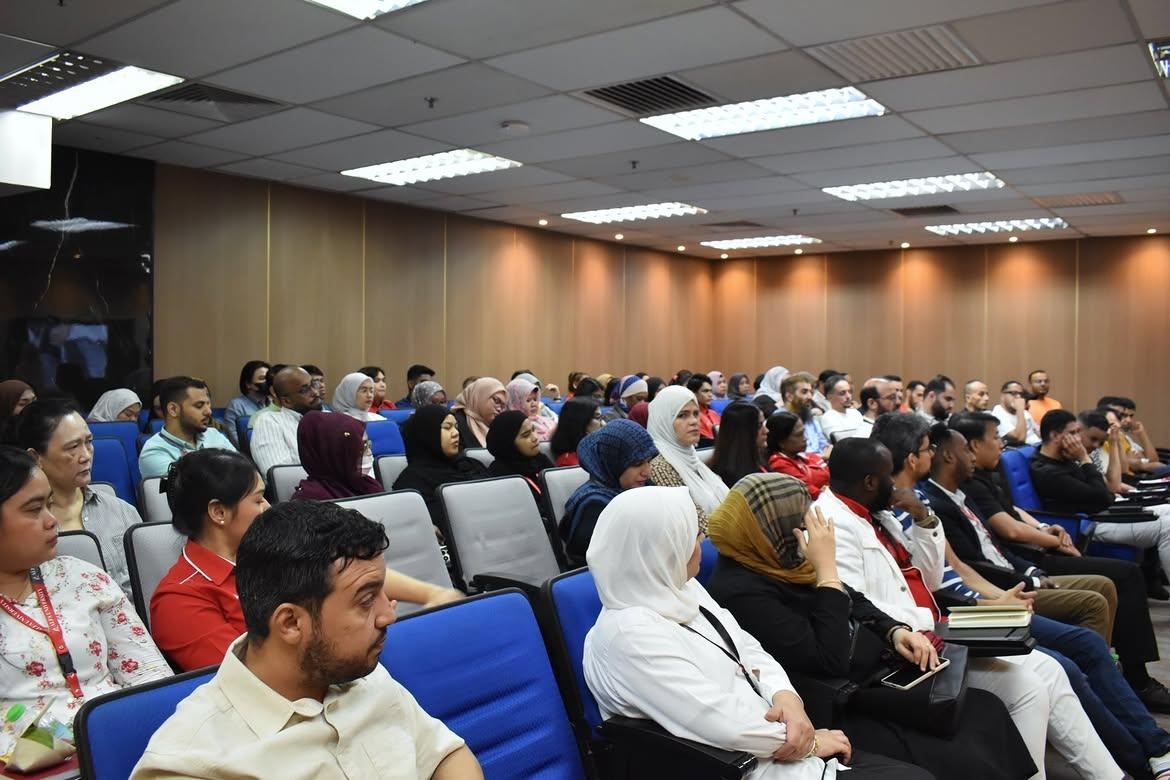
Through appropriate monitoring and institutional reporting, AUC seeks to strengthen transparency and better understand the effectiveness of its collaborative activities.
The College recognises that meaningful partnerships are demonstrated not only through participation but also through sustained engagement, shared learning and documented collaborative outcomes.
At Alfa University College, we believe that sustainable development is a shared responsibility and that meaningful progress requires cooperation, collective expertise and continuous dialogue among all sectors of society.
Driving Collaboration for a Better World: Alfa University College’s Role in Cross-Sectoral SDG Dialogue
At Alfa University College (AUC), Malaysia, we recognize that achieving the United Nations Sustainable Development Goals (SDGs) requires collaboration, shared knowledge, and collective action. As part of our ongoing commitment to sustainability and inclusive development, AUC actively initiates and participates in cross-sectoral dialogues that bring together government agencies, non-governmental organizations (NGOs), industry partners, and academia.
These dialogues serve as powerful platforms for exchanging ideas, sharing research insights, and developing innovative solutions to global and local sustainability challenges.
Our key initiatives include:
Hosting SDG-Focused Conferences and Forums
AUC organizes seminars, symposiums, and international conferences that unite policymakers, educators, and civil society leaders to discuss strategies for achieving the SDGs.


Participation in Government and NGO Dialogues
The university’s academic leaders and researchers take part in policy discussions and collaborative workshops led by government bodies and development organizations focused on sustainable growth and community welfare.


Cross-Sectoral Research Partnerships
AUC engages in joint research and knowledge-sharing projects with institutions and organizations working toward the same sustainability goals.

Student and Community Involvement
Through public events, awareness campaigns, and volunteer programs, students and staff contribute to SDG-related initiatives that bridge academia and community action.

Regional and International Collaboration
AUC actively connects with regional and global sustainability networks, sharing Malaysia’s progress and learning from best practices around the world.


At Alfa University College, we believe that meaningful progress towards the SDGs can only be achieved through dialogue, partnership, and mutual understanding. By fostering collaboration across sectors, we aim to inspire actionable change, strengthen partnerships, and build a more sustainable and equitable future for all.