Alfa University College (AUC), Malaysia, is committed to advancing the United Nations Sustainable Development Goals (SDGs) through international research collaboration, data-driven innovation and the systematic gathering, measurement and analysis of information relevant to sustainable development.
Recognising that reliable, accurate and comparable data is essential for evaluating progress towards the SDGs, AUC actively promotes partnerships with international universities, research institutions, development organisations and other relevant stakeholders to strengthen the collection, interpretation and dissemination of sustainability-related information.
AUC College contributes to collaborative initiatives designed to enhance evidence-based decision-making and sustainable development monitoring.
Through international research partnerships, shared analytical methodologies, data literacy programmes, academic publications and the application of emerging digital technologies, AUC seeks to strengthen the capacity of institutions and communities to understand development challenges, evaluate interventions and identify opportunities for improvement.
These initiatives reflect the College’s commitment to ensuring that academic research and international collaboration contribute to measurable progress towards a more inclusive, equitable and sustainable world.
International Collaborative Research and SDG Data Collection
AUC recognises that addressing global development challenges requires reliable information gathered through rigorous research and cooperation among institutions operating in different countries.
The College participates in international research initiatives involving the collection and analysis of data related to education, public health, environmental sustainability and social inclusion.
These collaborative research activities provide opportunities for academic researchers and partner institutions to investigate development challenges, examine socioeconomic conditions and generate information relevant to SDG indicators.
Through joint research activities, AUC promotes the application of appropriate research methodologies, including surveys, structured assessments, quantitative analysis and qualitative investigations.
The College also encourages the identification of measurable indicators that can support the evaluation of development conditions and intervention outcomes.
By contributing academic expertise to international research collaborations, AUC seeks to strengthen the availability and usefulness of information required for sustainable development planning and assessment.
Partnerships with International Universities and Research Institutions
AUC recognises that effective SDG monitoring benefits from partnerships among institutions with diverse research capabilities, disciplinary expertise and geographical perspectives.
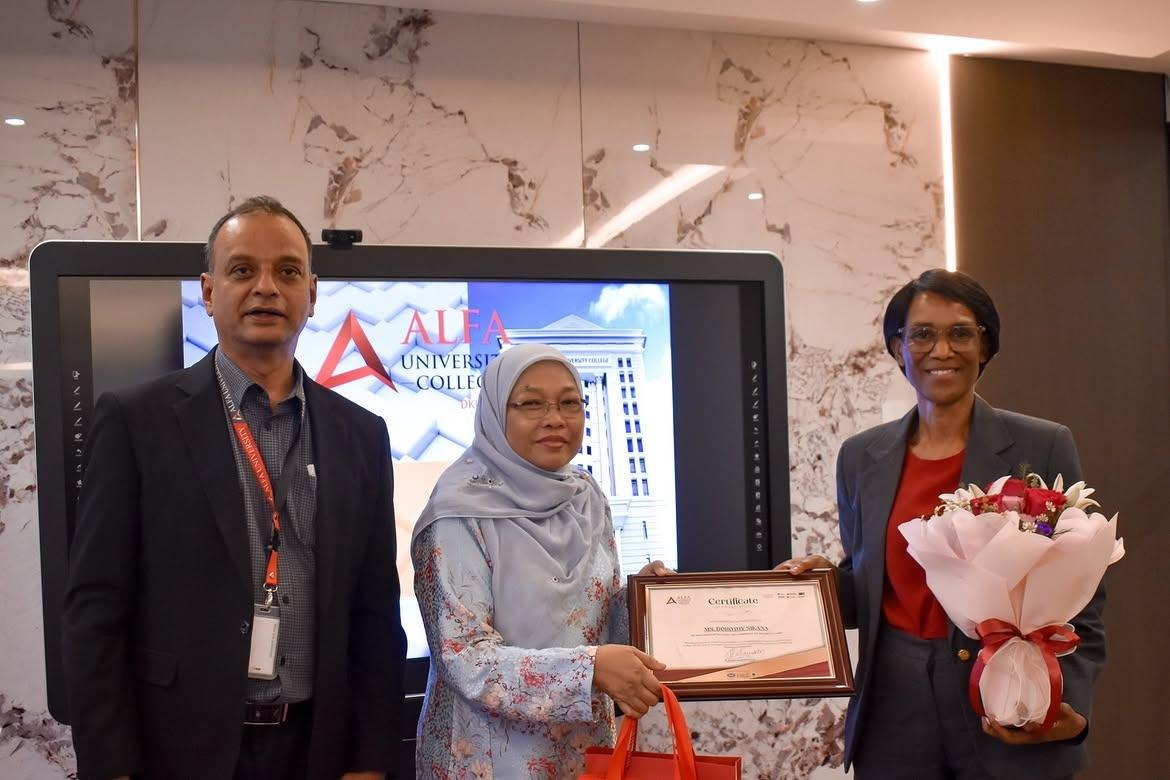
The College engages with international universities, research centres and development organisations to promote the exchange of research methodologies, datasets and analytical tools relevant to sustainable development.
These collaborations provide opportunities for researchers to compare approaches to SDG measurement and improve their understanding of challenges encountered in different national and regional contexts.
International partnerships also encourage shared learning concerning data quality, research design, statistical interpretation and the application of evidence to sustainable development priorities.
Through these engagements, AUC seeks to support the development of more consistent approaches to collecting and interpreting SDG-related information.
The College regards such cooperation as an important mechanism for strengthening research capabilities, encouraging methodological transparency and improving the comparability of sustainability evidence across institutional and geographical boundaries.

Standardisation of SDG Indicators and Data Measurement Approaches
AUC recognises that international SDG collaboration requires a shared understanding of what is being measured, how information is collected and how results are interpreted.
Differences in data definitions, measurement practices and reporting periods can create difficulties when comparing development progress across countries or institutions.
The College’s emphasis on collaborative research and knowledge sharing provides a foundation for promoting consistent and transparent measurement practices.
Relevant approaches include establishing clearly defined indicators, documenting data collection procedures, identifying appropriate reference periods and applying suitable analytical methods.
Where relevant, research indicators may be aligned with internationally recognised SDG measurement frameworks to strengthen consistency and comparability.
AUC also recognises the importance of disaggregated data in understanding differences among population groups and identifying communities that may experience disproportionate development challenges.
Through its international research engagement, the College seeks to contribute towards more reliable, inclusive and evidence-informed approaches to sustainable development measurement.

Collaborative Data Collection on Quality Education and Lifelong Learning
As an institution of higher education, AUC places particular importance on the role of educational data in supporting sustainable development.
Through academic research and institutional monitoring, the College promotes the collection and analysis of information relevant to educational access, participation, learning opportunities and student success.
Areas of interest include educational inclusion, student progression, graduation, access to learning resources, lifelong learning participation and the development of professional competencies.
Such information can provide valuable insights into barriers affecting educational participation and the effectiveness of initiatives intended to improve learning opportunities.
International research collaboration also creates opportunities to examine educational experiences across different institutional and national settings.
By contributing to education-related research and measurement, AUC supports the broader objectives of SDG 4 (Quality Education), particularly improving access to inclusive and equitable learning opportunities.
The College recognises that high-quality educational data is essential for identifying gaps, improving support programmes and strengthening educational outcomes.

Research and Data Analysis on Health, Social Inclusion and Environmental Sustainability
AUC recognises that the Sustainable Development Goals are interconnected and that effective monitoring requires information from multiple sectors.
The College’s published international research priorities include public health, environmental sustainability and social inclusion, alongside education.
Health-related research can contribute to understanding healthcare awareness, community well-being and factors influencing access to appropriate health services.
Environmental research can support the assessment of resource management, sustainability awareness and environmentally responsible practices.
Research addressing social inclusion can help identify barriers experienced by disadvantaged communities and contribute to a better understanding of socioeconomic inequalities.
Through interdisciplinary collaboration, AUC seeks to encourage the collection and analysis of evidence that reflects the diverse dimensions of sustainable development.
The College also promotes collaboration among researchers from different academic fields to strengthen the interpretation of complex sustainability challenges.
This integrated approach supports the wider objective of developing comprehensive evidence that can inform effective development strategies.

Capacity Building in SDG Data Literacy and Statistical Analysis
AUC recognises that the effective utilisation of SDG data depends on the analytical skills and technical competencies of researchers, students and other stakeholders.
To strengthen these capabilities, the College organises and supports data literacy training, academic workshops and professional development activities.
According to its published sustainability reporting, AUC’s capacity-building initiatives aim to equip students, researchers and community stakeholders with the skills required to interpret and utilise SDG-related information.
Training activities promote understanding of data collection, statistical interpretation, research methodology and the appropriate application of analytical tools.
These educational opportunities contribute to strengthening participants’ ability to examine development information, recognise patterns and draw evidence-based conclusions.
The College also encourages the responsible interpretation of research findings and an understanding of the limitations associated with statistical analysis.
Through data literacy education, AUC seeks to develop research competencies that support meaningful participation in international sustainability projects and evidence-informed development discussions.

Digital Technology, Artificial Intelligence and Innovation for SDG Monitoring
AUC recognises the growing importance of technology in improving the efficiency and accuracy of data collection, processing and analysis.
The College promotes the application of data analytics, artificial intelligence and digital platforms to support sustainable development measurement.
These technologies offer opportunities to examine complex datasets, identify trends, visualise development indicators and improve the communication of research findings.
Digital tools can also support the organisation of research information and enable more efficient collaboration among international research partners.
Where suitable data and technical resources are available, analytical methods may be applied to compare development trends, examine changes over time and identify areas requiring further investigation.
AUC recognises that the responsible use of technology must be supported by sound research design, data quality assurance, privacy protection and appropriate human oversight.
Through its focus on research innovation and digital transformation, the College seeks to strengthen the contribution of technology to transparent and effective SDG monitoring.

International Knowledge Sharing and Exchange of Research Methodologies
AUC recognises that international collaboration involves more than the collection of research information. It also requires effective mechanisms for sharing knowledge, expertise and analytical approaches.
The College’s research partnerships provide opportunities for academic experts and institutional representatives to exchange experiences relating to SDG data measurement and sustainable development assessment.
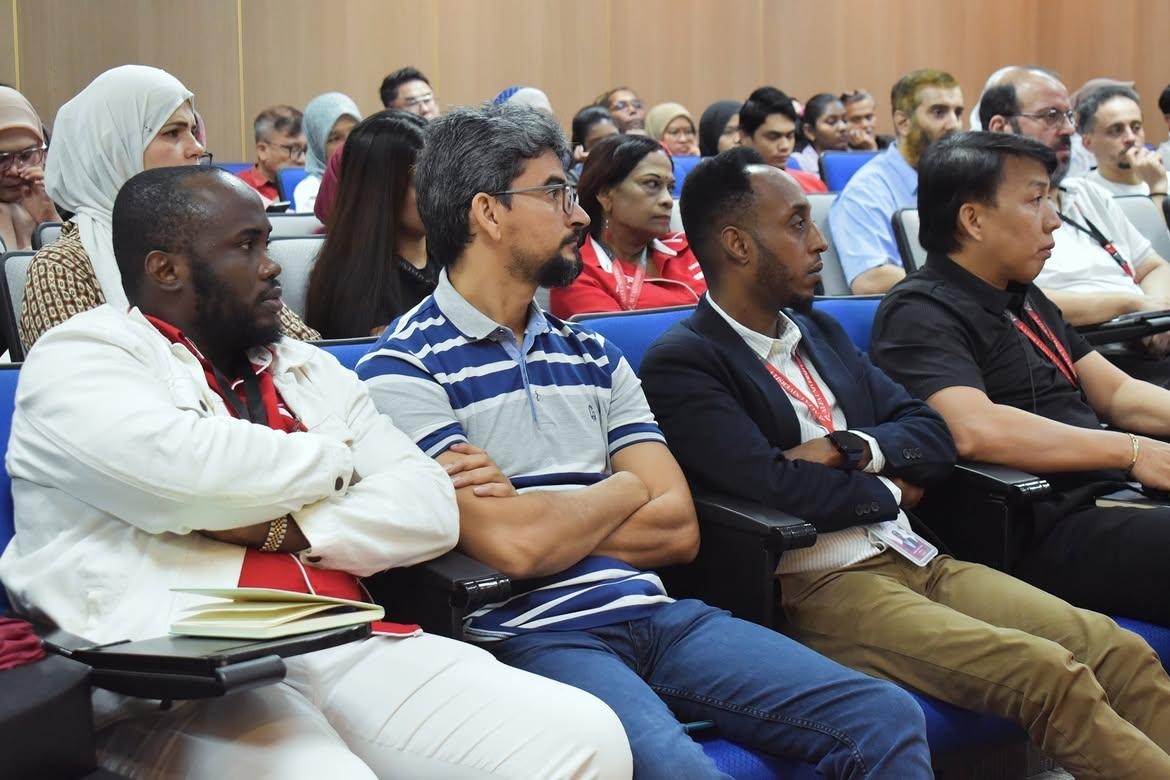
Knowledge-sharing activities may include collaborative discussions, academic seminars, international conferences, professional workshops and research presentations.
These platforms encourage researchers to examine alternative methodologies, discuss common measurement challenges and identify opportunities to strengthen research practices.
Through international knowledge exchange, AUC seeks to improve the relevance and consistency of sustainability research while supporting the development of collaborative academic networks.
The College also recognises the value of sharing methodological lessons that can be adapted to different institutional, geographical and socioeconomic contexts.
Such cooperation contributes to the broader SDG 17 objective of mobilising knowledge and expertise through effective international partnerships.

Publication and Dissemination of SDG Research Findings
AUC recognises that research evidence has greater value when findings are communicated clearly and made available to relevant stakeholders.
The College’s published sustainability initiatives identify academic publications, research reports and policy papers as important mechanisms for disseminating data-driven knowledge.
Through these outputs, researchers contribute insights concerning educational development, public health, social inclusion, environmental sustainability and other SDG-related priorities.
Academic publications also provide opportunities for research findings to be examined, discussed and applied within wider professional and policy environments.
AUC promotes the dissemination of relevant research through scholarly journals, institutional reports, academic conferences and collaborative knowledge-sharing platforms.
The College recognises the importance of presenting research findings accurately, explaining methodological limitations and communicating evidence in ways that support informed interpretation.
By contributing to the publication and exchange of sustainability-related knowledge, AUC strengthens opportunities for academic research to inform national and international development discussions.

Supporting Evidence-Based Policies and Sustainable Development Planning
AUC acknowledges that reliable SDG information is essential for developing effective policies and allocating resources to areas of greatest need.
Through collaborative research, data analysis and academic knowledge exchange, the College contributes evidence and professional perspectives relevant to sustainable development planning.
Research findings can assist policymakers and development organisations in identifying emerging challenges, understanding inequalities and evaluating possible approaches to intervention.
For example, educational data can help identify participation gaps, while community research can provide insights into barriers affecting access to essential services.
The College also recognises that the usefulness of research evidence depends on its accuracy, relevance and appropriate interpretation.
Through engagement with international institutions and relevant development stakeholders, AUC seeks to promote the responsible application of research findings in policy discussions.
These activities reinforce the relationship between academic knowledge, transparent reporting and informed decisions on sustainable development.

Promoting Research Integrity, Data Quality and Responsible Data Sharing
AUC recognises that meaningful international data collaboration requires appropriate standards of research integrity, confidentiality and responsible information management.
The College’s commitment to ethical research emphasises the importance of accurate reporting, methodological transparency and appropriate protection of research participants.
Responsible SDG data collaboration involves clear procedures for collecting, storing, analysing and sharing information.
Where personal information is involved, research activities should incorporate relevant consent arrangements, privacy safeguards and compliance with applicable data protection requirements.
The College also recognises the importance of maintaining data quality through appropriate validation, documentation and review processes.
By promoting responsible research practices, AUC seeks to strengthen confidence in collaborative research findings and support the ethical exchange of sustainability-related information.
These principles are essential to maintaining the credibility and usefulness of evidence generated through international research partnerships.

Strengthening Student and Academic Staff Participation in Global SDG Research
AUC encourages the active participation of academic staff and students in research and knowledge-sharing activities relevant to sustainable development.
Faculty members contribute professional expertise, disciplinary knowledge and research competencies to collaborative initiatives involving external institutions.
Students are encouraged to develop practical research skills through academic projects, data analysis activities, research training and engagement with sustainability-related subjects.
Participation in collaborative research provides opportunities to understand international development challenges and explore the importance of evidence-based decision-making.
These experiences strengthen analytical thinking, research communication, teamwork and awareness of global sustainability priorities.
Through the integration of research and learning, AUC seeks to develop graduates who appreciate the importance of reliable data in addressing contemporary social, economic and environmental challenges.

Strengthening Institutional Accountability Through SDG Data Reporting
AUC recognises that universities have an important responsibility to document their contributions to sustainable development.
The College’s Annual Sustainability Report provides a platform for communicating institutional initiatives and demonstrating engagement with the SDGs.
Its 2025 reporting specifically identifies international SDG data collaboration, research partnerships, capacity building, knowledge dissemination and technological innovation as areas of institutional activity.

AUC also recognises the importance of strengthening the documentation of research collaborations, measurement methodologies and relevant development outcomes.
Appropriate reporting can help stakeholders understand the scope of institutional activities and identify opportunities for continued improvement.
Through transparent sustainability reporting, the College seeks to demonstrate accountability and promote wider awareness of the role of higher education in supporting global development priorities.
At Alfa University College, we believe that meaningful progress towards sustainable development begins with reliable information, collaborative research and the responsible use of evidence.
Global Partnerships for Sustainable Progress: Alfa University College’s Role in SDG Data Collaboration
At Alfa University College (AUC), Malaysia, our dedication to the United Nations Sustainable Development Goals (SDGs) extends beyond education and advocacy to active participation in international collaboration on data collection, measurement, and analysis. Recognizing that reliable data is the foundation of effective policy and progress tracking, AUC works with global and regional partners to enhance the quality, accessibility, and impact of SDG-related information.
Through our commitment to evidence-based research and innovation, the university contributes to the global effort to monitor, evaluate, and accelerate progress toward sustainable development.
Our key activities include:
Collaborative Research and Data Projects
AUC participates in international research initiatives focused on collecting and analyzing data related to education, health, environmental sustainability, and social inclusion—all aligned with the SDG indicators.

Partnerships with Global and Regional Institutions
The university engages with universities, research centers, and development organizations to share methodologies, datasets, and analytical tools that support transparent and accurate SDG reporting.


Capacity-Building in Data Literacy
Through specialized training programs, workshops, and seminars, AUC empowers students, researchers, and community stakeholders with the skills to interpret and utilize SDG data effectively.

Publication and Knowledge Sharing
The university’s researchers contribute reports, journal articles, and policy papers that disseminate data-driven insights on sustainable development priorities at both national and international levels.

Technology and Innovation for SDG Monitoring
AUC promotes the use of data analytics, AI tools, and digital platforms to improve SDG measurement processes and support sustainable policy decision-making.


At Alfa University College, we believe that accurate data leads to informed action. By collaborating internationally to gather, measure, and share SDG data, we strengthen global understanding and collective capacity to achieve the goals that define a better, fairer, and more sustainable future for all.