Alfa University College (AUC), Malaysia, is committed to contributing to the development of effective policies and sustainable strategies aimed at addressing poverty, socioeconomic inequality and barriers to essential services within Malaysia and beyond.
Recognising that poverty extends beyond insufficient income to include limited access to education, healthcare, employment, housing and social protection, AUC actively participates in policy-related research, institutional collaboration, public dialogue and community advocacy to promote inclusive and sustainable development.
AUC seeks to bridge the gap between academic knowledge, community experience and evidence-based policymaking.
Through the expertise of its academic staff, research activities, engagement with government agencies and collaboration with civil society organisations, AUC contributes knowledge and perspectives that can inform poverty alleviation strategies and improve opportunities for economically disadvantaged populations.
Evidence-Based Research Supporting Poverty Reduction Policies
AUC recognises that effective poverty alleviation policies must be informed by reliable evidence, relevant research and a comprehensive understanding of the challenges experienced by vulnerable communities.
The College promotes academic research examining the causes, consequences and socioeconomic dimensions of poverty, particularly the barriers that limit access to education, employment, healthcare and sustainable livelihoods.
Through applied research and interdisciplinary academic engagement, AUC seeks to generate findings that contribute to policy discussions concerning economic inclusion, social protection and community development.
Research priorities include understanding educational inequality, identifying obstacles to employment, examining the needs of low-income households and exploring sustainable approaches to income generation.
By translating academic research into practical knowledge, AUC seeks to support policymakers, non-governmental organisations and community stakeholders in developing informed responses to poverty-related challenges.

Participation in Government Policy Consultations and Development Dialogues
AUC recognises the importance of collaboration between higher education institutions and public authorities in addressing complex socioeconomic challenges.
The College participates in policy-related consultations, academic forums, professional discussions and stakeholder dialogues that provide opportunities to contribute perspectives on sustainable development and social inclusion.
Through these engagements, academic experts and institutional representatives share knowledge and research-based insights relevant to educational access, socioeconomic empowerment and poverty reduction.
AUC’s broader policy engagement includes interactions with government agencies and relevant national institutions concerning higher education development, educational quality and inclusive opportunities.
Such participation provides a platform for communicating the role of higher education in reducing poverty and strengthening the capacity of individuals to participate meaningfully in economic development.
By contributing academic expertise to policy dialogue, AUC seeks to support the development of more inclusive, responsive and sustainable public policies.

Collaboration with Non-Governmental Organisations and Civil Society
AUC acknowledges that meaningful poverty reduction requires cooperation among government institutions, civil society organisations, educational institutions and community stakeholders.
The College therefore promotes partnerships with non-governmental organisations (NGOs) and community-based organisations working to address social inequality, educational disadvantage and economic vulnerability.
These collaborations create opportunities for joint research, community engagement, educational outreach and the exchange of information relevant to social development policies.
Through cooperation with NGOs, AUC seeks to strengthen understanding of the challenges encountered by disadvantaged communities and support approaches that respond to their needs.
Particular attention is directed towards low-income families, women, underserved populations and individuals who experience barriers to accessing essential services.
By integrating community perspectives with academic knowledge, AUC contributes to policy discussions that recognise the practical realities of poverty and the importance of inclusive development.
Student Innovation and Industry Partnership Initiatives
ALFA University College highlighted several initiatives focused on student entrepreneurship, experiential learning and industry collaboration.
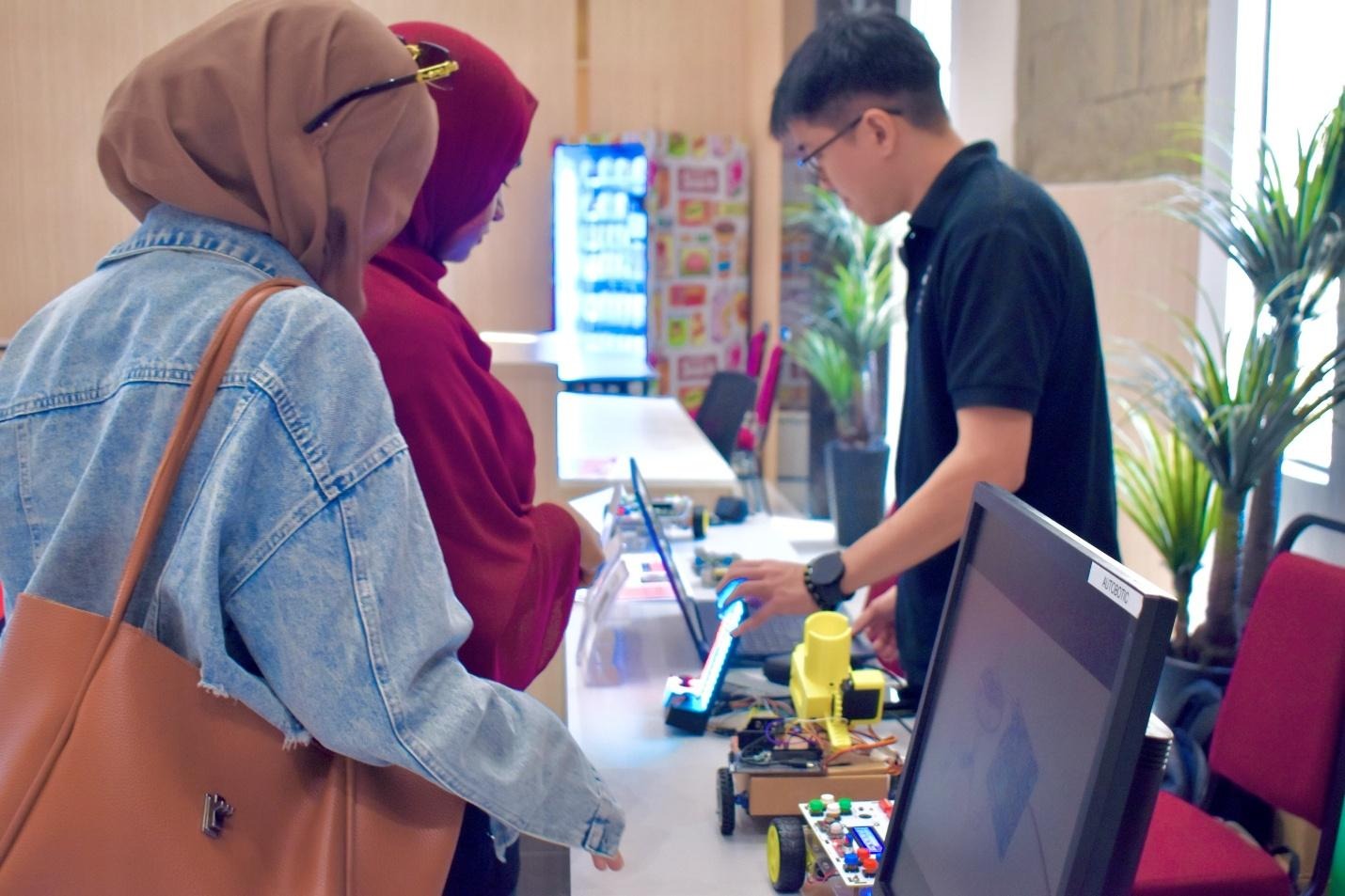
During the Business Student Expo, students had the opportunity to showcase their business ideas, products and brands, allowing them to apply classroom knowledge in a practical setting. The event encouraged creativity, entrepreneurship and confidence while giving students experience in presenting ideas to an audience.
Business Communication 2 students also completed an experiential project involving the development and presentation of innovative healthy snack products. The activity challenged students to apply marketing communication, consumer psychology, persuasion and presentation skills in a practical business scenario.
The same date also featured an engagement with Yayasan LTAT, led by Dato’ Dr. Mohd Nizar bin Haji Sudin, Chief Executive Officer, and members of the organisation’s management team.
The strategic discussion explored potential collaboration in areas including education, talent development, scholarships, industrial training and leadership initiatives.
Together, these activities demonstrated AUC’s focus on combining academic learning with practical experience while developing stronger partnerships that can create opportunities for students.

Strategic Collaboration with Yayasan Selangor
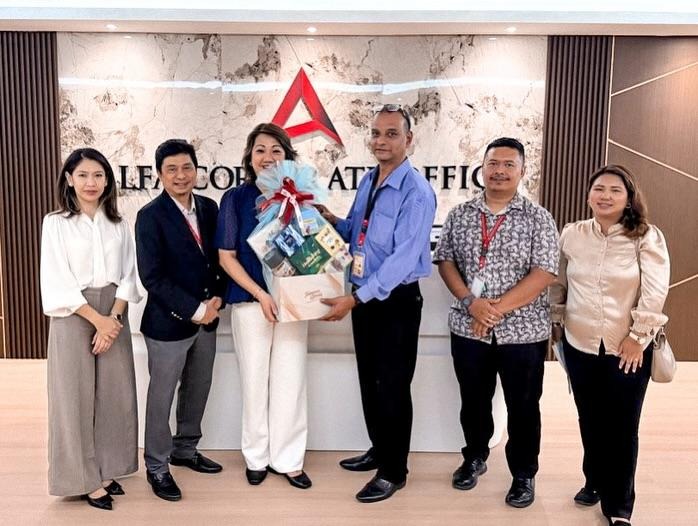
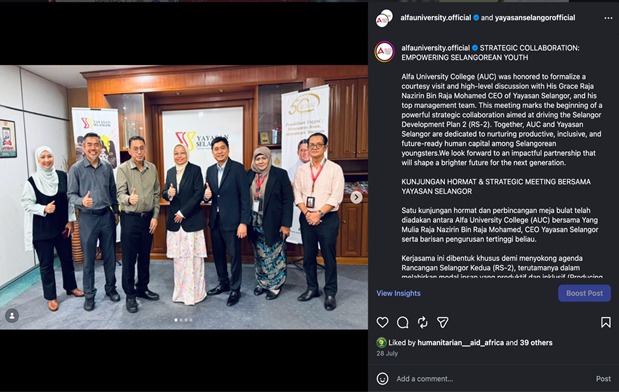
ALFA University College held a strategic engagement with Yayasan Selangor, led by His Grace Raja Nazirin Bin Raja Mohamed, CEO of Yayasan Selangor, and members of the organisation’s senior management.
The meeting focused on exploring a strategic collaboration aligned with the Rancangan Selangor Kedua (RS-2), particularly in supporting the development of productive, inclusive and future-ready human capital among young people in Selangor.
The discussions highlighted the importance of creating stronger educational platforms for young Malaysians, particularly students from Selangor, while supporting their academic, professional and personal development.
AUC expressed its commitment to working with state-level organisations to provide students with meaningful opportunities to develop their knowledge and contribute to the future economic and social development of Selangor.
The engagement represented an important step towards building a partnership centred on education, human capital development and opportunities for the next generation.
The event happened on July 28 2026.
Expanding International Student Recruitment and Industry Opportunities
ALFA University College strengthened its international education network through several important partnership developments.
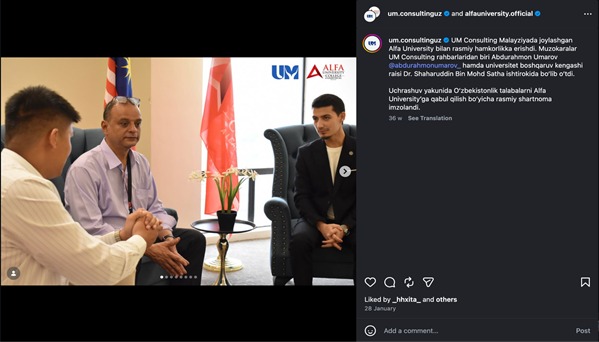
One of the key developments was the formal collaboration with UM Consulting, Uzbekistan, aimed at supporting the recruitment and admission of Uzbek students to AUC. Following discussions involving Abdurahmon Umarov and AUC Board Chairman Dr. Shaharuddin Bin Mohd Satha, an official agreement was established to support students seeking higher education opportunities in Malaysia.
Through this partnership, prospective students can receive support with official university admission, document preparation and application procedures, helping create a clearer pathway for Uzbek students interested in studying at AUC.
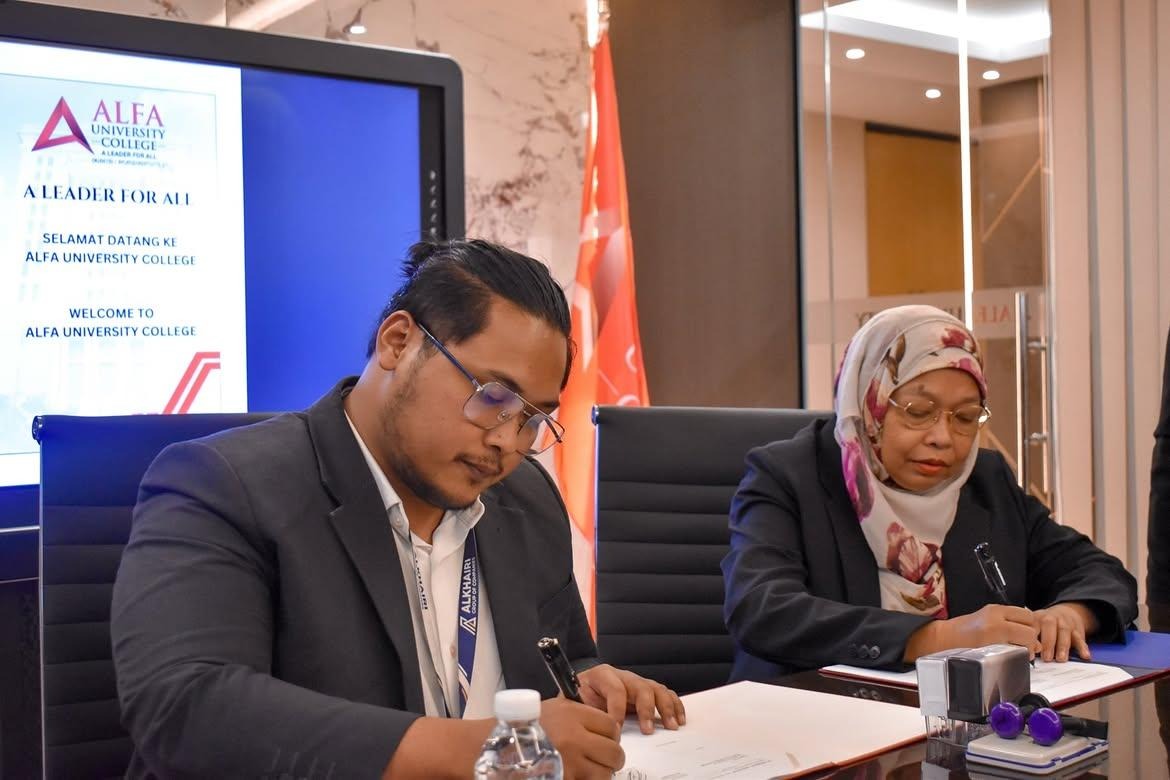
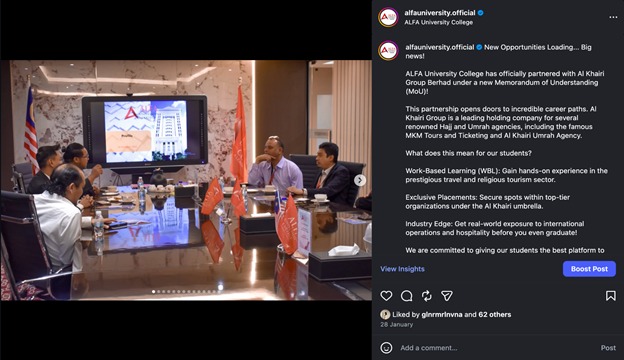
On the same date, AUC also announced a new Memorandum of Understanding with Al Khairi Group Berhad. The collaboration is designed to create industry-based opportunities for students, particularly through Work-Based Learning (WBL), industry placements and practical exposure.
With Al Khairi Group’s involvement in the Hajj, Umrah, travel and tourism sectors, the partnership can provide students with opportunities to gain practical experience and develop professional skills before graduation.
Together, these initiatives demonstrate AUC’s efforts to expand both international student opportunities and industry-linked learning experiences. UM Consulting kompaniyasi Malayziyada joylashgan Alfa University bilan rasmiy vakillik va hamkorlik bo‘yicha kelishuvga erishdi.
Advocacy for Equitable Access to Education
AUC regards access to quality education as an essential component of long-term poverty reduction and social mobility.
Recognising that individuals from financially disadvantaged households may face substantial barriers to entering and completing higher education, the College promotes educational policies and institutional practices that support accessibility, affordability and equal opportunities.
Its advocacy efforts emphasise the importance of scholarships, financial assistance, inclusive admissions, student welfare and educational support for economically disadvantaged learners.
Through its institutional programmes and participation in relevant educational discussions, AUC seeks to highlight the role of higher education in improving employability, increasing economic participation and reducing intergenerational poverty.
The College also promotes lifelong learning and skills development as important elements of a comprehensive strategy for empowering individuals and strengthening community resilience.
These commitments reflect AUC’s belief that educational policy should provide meaningful opportunities for individuals to improve their socioeconomic circumstances, regardless of their financial background.
Supporting Policies for Sustainable Employment and Economic Empowerment
AUC recognises that sustainable poverty reduction requires opportunities for productive employment, entrepreneurship and income generation.
The College therefore incorporates economic empowerment into its research, academic engagement and community development activities.
Through entrepreneurship education, vocational skills development, financial literacy training and business advisory initiatives, AUC contributes practical knowledge relevant to strategies for improving employment opportunities and supporting sustainable livelihoods.
The College’s engagement with industry partners, local organisations and community stakeholders also creates opportunities to examine the challenges experienced by small businesses and aspiring entrepreneurs.
Insights generated through these activities can inform discussions on financial inclusion, entrepreneurship development, workforce readiness and the economic participation of disadvantaged populations.
By connecting academic expertise with practical economic development initiatives, AUC seeks to support strategies that strengthen financial independence and contribute to more inclusive economic growth.

Contributing to Social Protection and Essential Services Policy Discussions
AUC acknowledges that poverty is multidimensional and cannot be addressed through employment and income-related initiatives alone.
Limited access to healthcare, adequate housing, education, food security and essential community services can create additional barriers to socioeconomic progress.
The College’s poverty-related research and advocacy therefore consider the importance of strengthening social protection systems and improving public access to essential services.
Through community awareness programmes, applied research and stakeholder engagement, AUC highlights challenges affecting vulnerable populations and promotes knowledge-sharing on appropriate policy responses.
Areas of interest include access to affordable healthcare, educational opportunities, financial assistance, digital inclusion and community welfare services.
By encouraging evidence-based discussion of these issues, AUC contributes to broader efforts to strengthen social protection, improve community well-being and reduce the vulnerability of disadvantaged households.
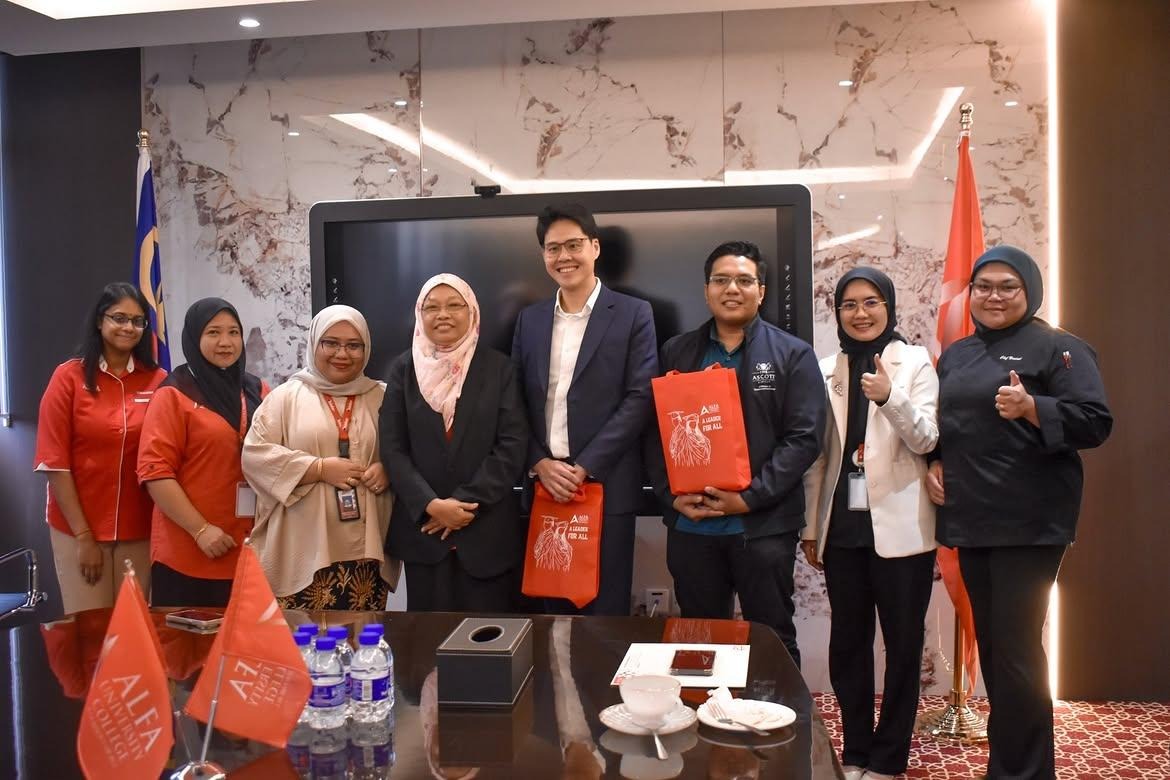
Academic Forums, Seminars and Policy Knowledge Exchange
AUC recognises the value of academic forums, seminars, conferences and stakeholder discussions as platforms for exchanging knowledge and exploring responses to poverty and socioeconomic inequality.
The College participates in and supports academic and professional engagement activities that bring together researchers, educators, community organisations and relevant stakeholders.
These engagements facilitate the discussion of sustainable development challenges, research findings and opportunities for institutional cooperation.
Academic knowledge-sharing activities also promote greater understanding of the relationship between education, social inclusion, economic opportunity and poverty reduction.
Through such platforms, AUC seeks to encourage interdisciplinary collaboration and strengthen the application of academic research to practical development challenges.
The College regards sustained dialogue and knowledge exchange as important mechanisms for supporting effective, inclusive and evidence-informed policy development.
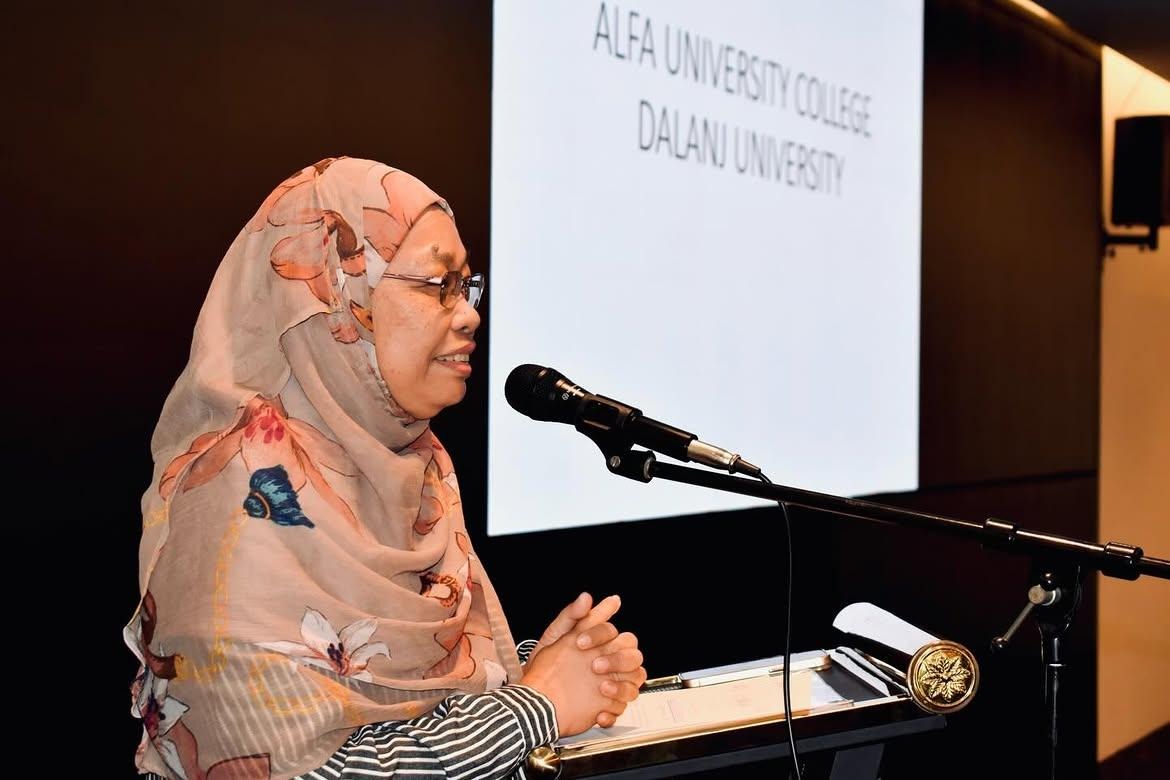
Student Participation in Poverty Alleviation Advocacy and Policy Research
AUC believes that preparing socially responsible graduates requires opportunities for students to engage with real-world development challenges.
The College therefore encourages student participation in community outreach, service-learning activities, internships and academic research projects addressing poverty and socioeconomic disadvantage.
These activities provide opportunities for students to examine the practical implications of inequality, identify challenges experienced by vulnerable communities and develop informed perspectives on sustainable development.
Students are encouraged to apply academic knowledge and professional competencies to activities supporting social inclusion, community welfare and poverty awareness.
Participation in these initiatives also strengthens students’ communication, leadership, research and problem-solving skills.
Through experiential learning and community engagement, AUC seeks to develop graduates who understand the importance of evidence-based policymaking and their potential contributions to addressing poverty.

Promoting Inclusive and Community-Centred Policy Development
AUC recognises that effective poverty reduction initiatives must consider the experiences and priorities of the communities they are intended to support.
The College’s collaborative approach therefore emphasises the importance of stakeholder engagement and the inclusion of community perspectives in discussions concerning poverty alleviation.
Through partnerships, public engagement activities and research initiatives, AUC seeks to strengthen communication between academic institutions, community organisations and relevant decision-makers.
These engagements provide opportunities to identify socioeconomic challenges, exchange experiences and explore practical approaches to addressing inequalities.
By encouraging inclusive consultation and knowledge-sharing, AUC promotes policy discussions that consider the needs of financially disadvantaged households and other vulnerable populations.
This approach contributes to the broader objective of ensuring that poverty reduction strategies are responsive to community realities and support equitable access to opportunities.

Strengthening Institutional Partnerships for Sustainable Policy Impact
AUC recognises that addressing poverty requires coordinated efforts across educational, economic, social and governmental sectors.
The College’s institutional partnerships provide opportunities for collaborative research, professional engagement, capacity-building and the exchange of knowledge relevant to the Sustainable Development Goals.
Through engagement with universities, government agencies, NGOs and industry stakeholders, AUC seeks to support the development and dissemination of knowledge that can strengthen anti-poverty interventions.
The College also encourages interdisciplinary cooperation to address the interconnected dimensions of poverty, including education, health, employment and social inequality.
By connecting research, professional expertise and community experience, AUC aims to strengthen the relevance of its academic contributions to national and international development priorities.

Monitoring Contributions to Poverty-Related Policy Development
AUC recognises the importance of evaluating its institutional contributions to policy-related research, stakeholder engagement and poverty alleviation activities.
The College’s approach to continuous improvement emphasises documenting relevant academic research, participation in policy consultations, collaborative activities and community engagement programmes.
Potential indicators for assessing institutional contributions include the number of poverty-related research outputs, policy briefs developed, stakeholder consultations attended, collaborative projects undertaken and community organisations engaged.
The College also recognises the importance of documenting how its research findings and recommendations are communicated to relevant stakeholders.
Through systematic monitoring and institutional reporting, AUC seeks to strengthen transparency, accountability and the effectiveness of its contributions to sustainable development.
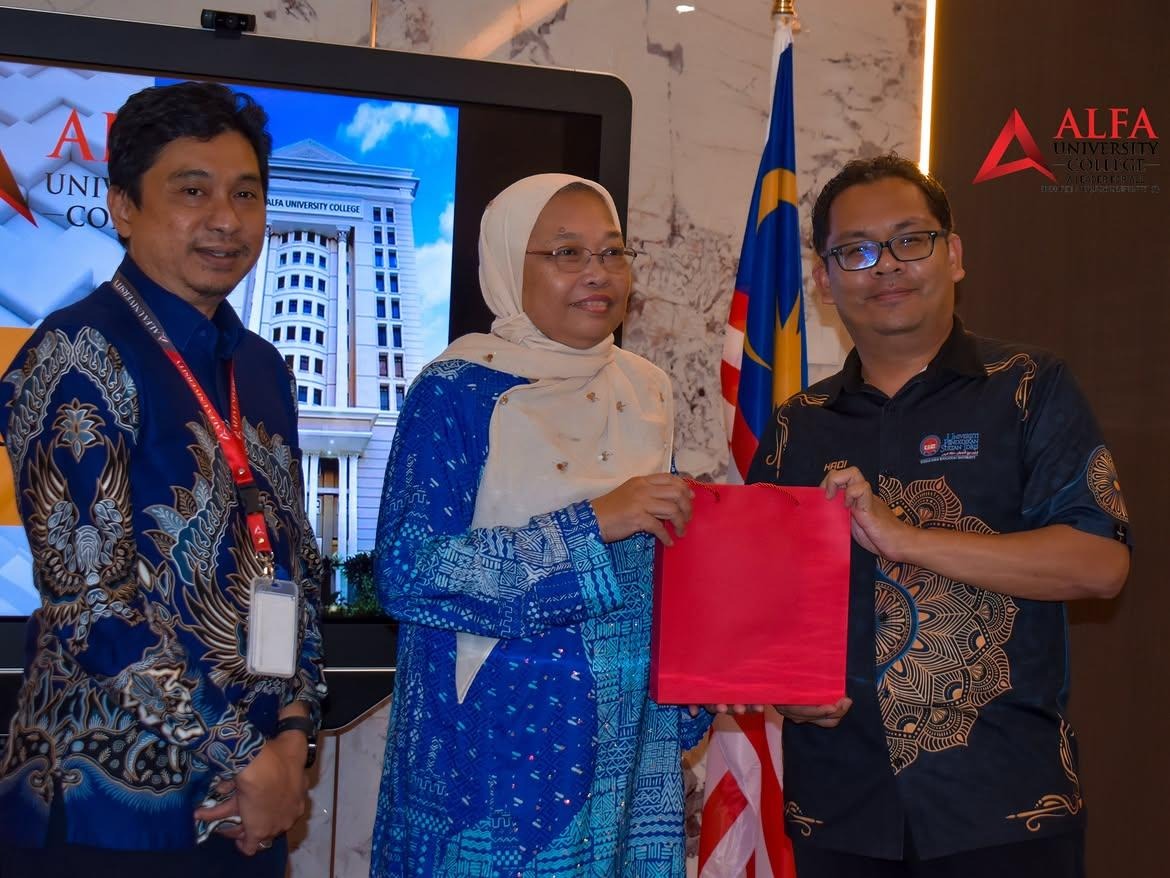
Research, Advocacy and Policy Collaboration
AUC’s participation in poverty-related policy work reflects its broader institutional commitment to advancing the United Nations Sustainable Development Goals.
By supporting evidence-based policy discussions, promoting access to education, contributing to socioeconomic research and collaborating with community stakeholders, the College seeks to address the structural and practical barriers that perpetuate poverty.
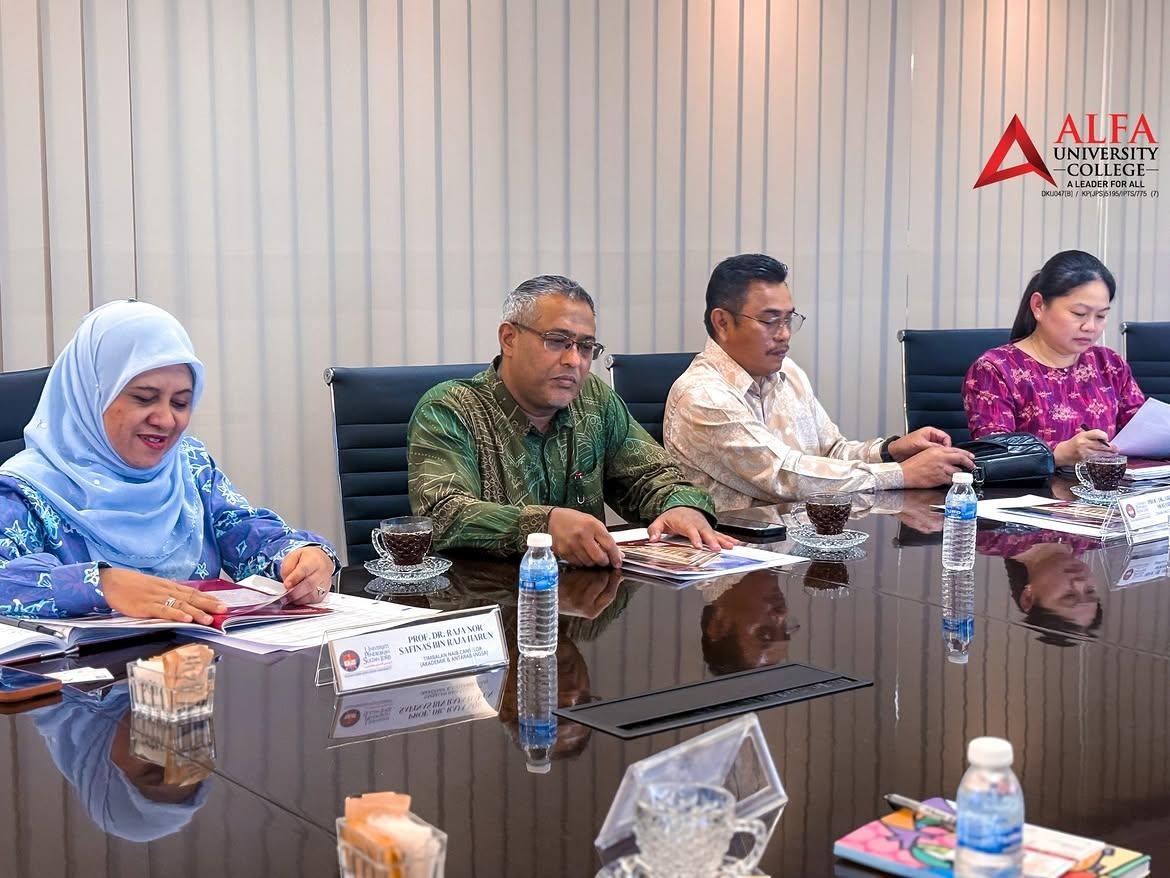
These initiatives contribute to a comprehensive approach that recognises poverty as a challenge involving economic opportunity, educational attainment, access to services and social inclusion.
Through continued research, institutional collaboration and community engagement, AUC aims to strengthen the role of higher education in developing knowledge and practical responses that contribute to poverty reduction.
At Alfa University College, we believe that universities have a responsibility not only to educate future generations but also to contribute knowledge, research and expertise towards addressing society’s most pressing challenges.
Alfa University College’s Commitment to Policy Work on Poverty Alleviation
At Alfa University College (AUC), Malaysia, we believe that education has the power not only to transform individuals but also to shape societies. Recognizing that poverty remains one of the most pressing global challenges, AUC actively participates in policy-related work and advocacy aimed at addressing poverty in all its forms, both locally and globally.
Engaging in Research and Policy Development
AUC’s academic experts and research centers contribute evidence-based insights to inform government policies, NGO strategies, and community programmes focused on poverty reduction. Through applied research, AUC highlights:
- Barriers faced by vulnerable populations in accessing education, healthcare, and employment.
- Data-driven solutions for sustainable income generation and social protection systems.
- Strategies for empowering marginalized groups and reducing structural inequalities.

Advocacy and Collaboration with Stakeholders
The university works closely with government agencies, international organizations, and civil society groups to shape effective anti-poverty policies. By participating in consultations, forums, and roundtable discussions, AUC ensures that the voices of disadvantaged communities are heard and represented in policy-making processes.

Student and Community Engagement
Beyond institutional involvement, AUC encourages students and faculty to take part in initiatives that address poverty through community outreach, internships, and policy research projects. This ensures that graduates are not only academically strong but also socially responsible, with the capacity to contribute to long-term solutions.

These efforts align with the United Nations Sustainable Development Goal (SDG) 1: No Poverty, reinforcing AUC’s dedication to ending poverty in all its dimensions and fostering a more equitable society.
By engaging in policy development, research, and advocacy, Alfa University College is making a meaningful contribution toward creating frameworks that reduce poverty and improve the quality of life for communities across Malaysia and beyond.