Alfa University College (AUC), Malaysia, is committed to ensuring that education remains a lifelong opportunity accessible to individuals from all backgrounds, regardless of their ethnicity, religion, disability, immigration status, gender, age or socioeconomic circumstances.
Recognising that education is fundamental to human empowerment, social inclusion and sustainable development, AUC has adopted a comprehensive Inclusion and Accessibility Policy, supported by its Lifelong Learning Access Policy, to promote fairness, equal opportunity and nondiscrimination across its lifelong learning activities.
AUC promotes inclusive educational participation for all members of society. Through inclusive institutional policies, accessible learning facilities, flexible educational programmes, financial support opportunities and community engagement, AUC seeks to eliminate barriers that may prevent individuals from benefiting from lifelong learning.
The College’s approach recognises that educational opportunities should extend beyond formally enrolled university students to include working professionals, adult learners, senior citizens, local residents, international participants and individuals from underserved communities.
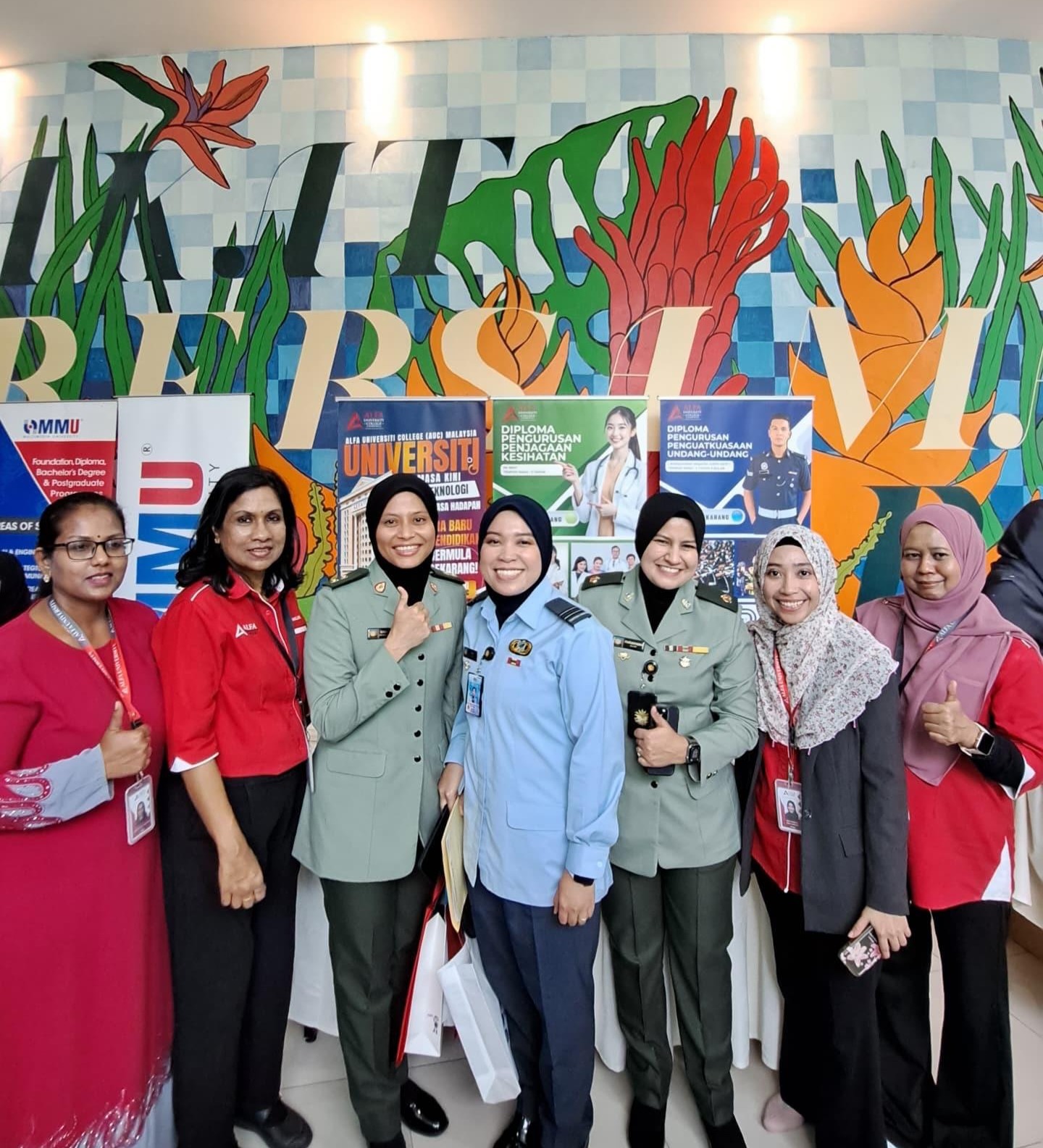
Institutional Policy on Equal Access and Nondiscrimination
AUC’s Inclusion and Accessibility Policy establishes an institutional commitment to ensuring that lifelong learning opportunities are offered without unfair discrimination.
The policy promotes equitable access to educational programmes, professional development activities, short courses, public lectures, seminars and community learning initiatives.
Under this framework, individuals are encouraged to participate in lifelong learning irrespective of their personal identities or social circumstances.
The College’s inclusive approach is guided by the principles of educational fairness, respect for diversity, equal opportunity and individual dignity.
AUC recognises that eliminating discriminatory barriers is essential for developing a learning environment where individuals feel respected, supported and empowered to pursue continuous education.
Through this policy, the College reinforces its responsibility to ensure that educational participation is based on relevant programme requirements rather than prejudice, exclusion or discriminatory practices.

Equal Educational Opportunities Regardless of Ethnicity
AUC recognises Malaysia’s multicultural society and the importance of promoting educational opportunities for individuals from different ethnic and cultural backgrounds.
The College’s inclusive lifelong learning framework supports equitable participation in educational activities without discrimination based on ethnicity, race, ancestry or cultural identity.
Through its continuing education initiatives, community engagement programmes and professional development activities, AUC encourages interaction among learners from diverse backgrounds.
The College also promotes an environment that values cultural diversity, mutual respect and constructive knowledge exchange.
By welcoming individuals from different ethnic communities, AUC contributes to strengthening social cohesion and ensuring that access to educational opportunities is not restricted by cultural or ethnic differences.
This commitment supports the College’s broader institutional objective of developing an inclusive academic community that reflects the diversity of society.
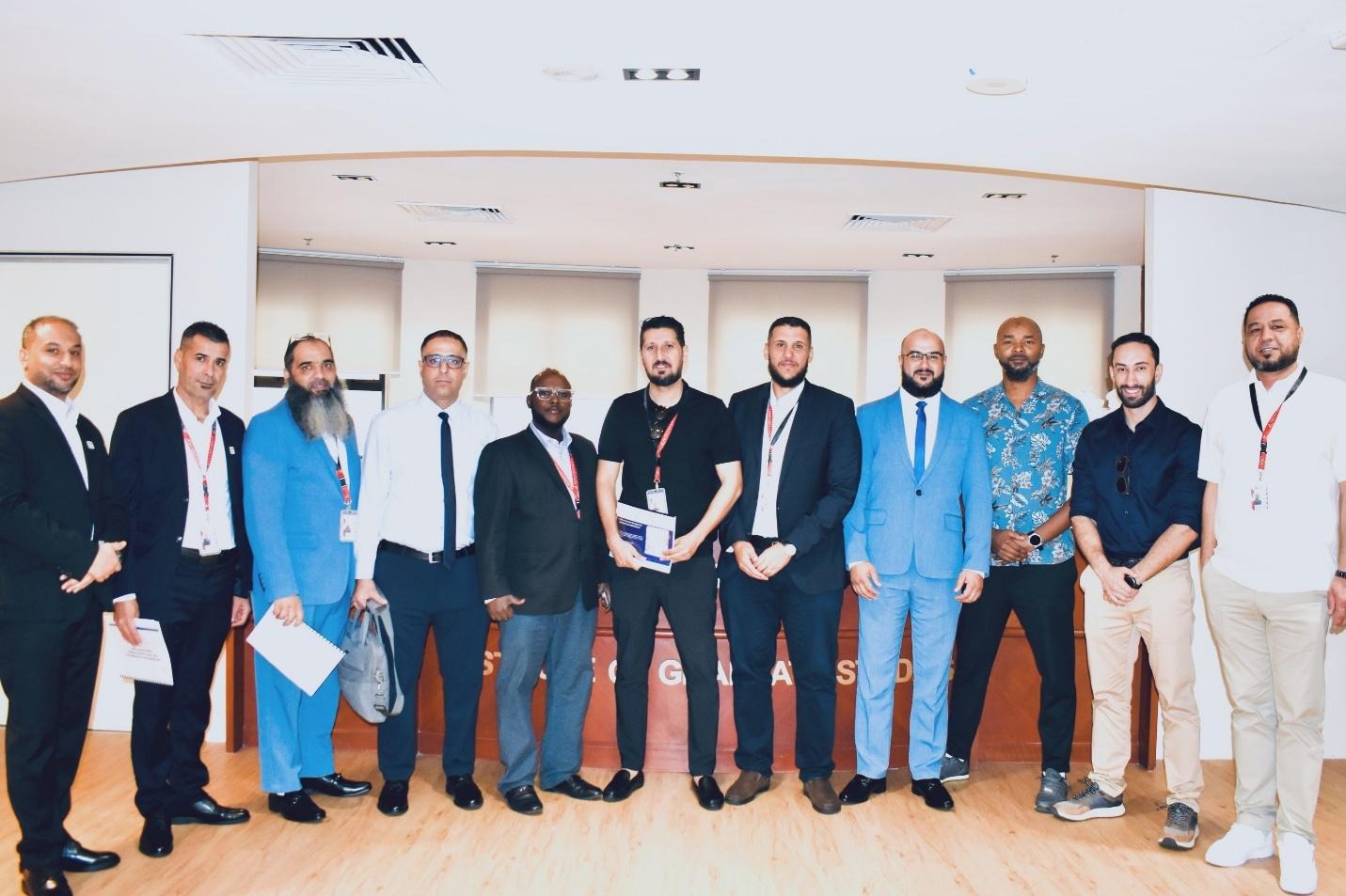
Religious Inclusion and Freedom from Religious Discrimination
AUC acknowledges the importance of respecting religious diversity and ensuring that individuals are not excluded from learning opportunities because of their faith, beliefs or religious background.
The College’s Inclusion and Accessibility Policy promotes equitable participation in lifelong learning programmes irrespective of religion.
Through an institutional culture founded on mutual respect, tolerance and nondiscrimination, AUC seeks to provide a welcoming learning environment for individuals from different religious communities.
Participants are encouraged to engage in educational activities, professional development and public learning opportunities within an atmosphere of respect and understanding.
AUC also recognises the importance of considering reasonable participant needs when organising educational activities and providing institutional support.
By promoting religious inclusion, the College strengthens educational equality and encourages cooperation among individuals from diverse social and cultural backgrounds.
Accessible Lifelong Learning for Persons with Disabilities
AUC recognises that individuals with disabilities may encounter physical, technological, communication and other barriers that affect their participation in educational activities.
To address these challenges, the College’s inclusion policy emphasises accessibility within learning environments, facilities and educational resources.
AUC’s published institutional commitments include accessible classrooms, libraries and laboratories designed to accommodate individuals with physical disabilities.
The College also promotes accessible online and blended learning platforms and the provision of appropriate learning assistance, including adaptive technologies where required.
Through its advisory and student support services, AUC seeks to assist learners in identifying suitable educational arrangements and accessing available institutional resources.
The College’s approach encourages the consideration of individual accessibility needs so that participants with disabilities can engage meaningfully in lifelong learning activities.
By incorporating accessibility into educational planning and institutional support, AUC contributes to reducing disability-related barriers and improving equitable participation in education.
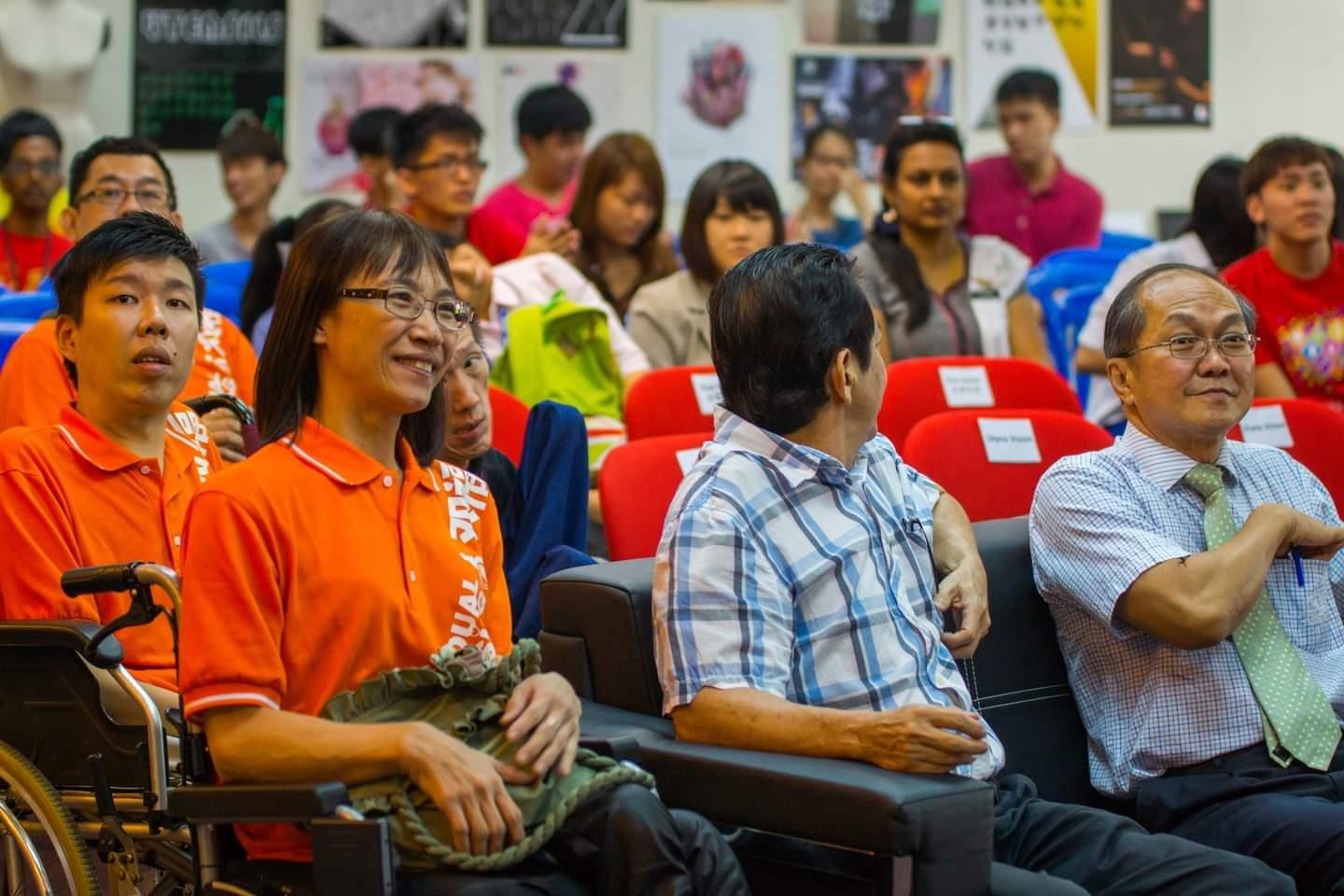
Inclusive Participation Regardless of Immigration or Residency Status
AUC recognises that lifelong learning opportunities should not be unnecessarily restricted by an individual’s nationality, immigration background or residency status.
The College’s Inclusion and Accessibility Policy explicitly supports educational participation by Malaysian citizens and international learners from diverse immigration and residency backgrounds.
Through public lectures, online educational programmes, professional development activities and appropriate community learning initiatives, AUC promotes opportunities for individuals to access knowledge without unfair exclusion based on their immigration circumstances.
This inclusive approach is particularly relevant to international residents, migrant communities and other individuals who may experience barriers to educational participation.
AUC’s policy seeks to encourage educational inclusion while ensuring that participation in specific activities remains consistent with applicable Malaysian laws, institutional requirements and any relevant immigration conditions.
Through this commitment, the College promotes education as an instrument for social inclusion, personal development and meaningful community participation.
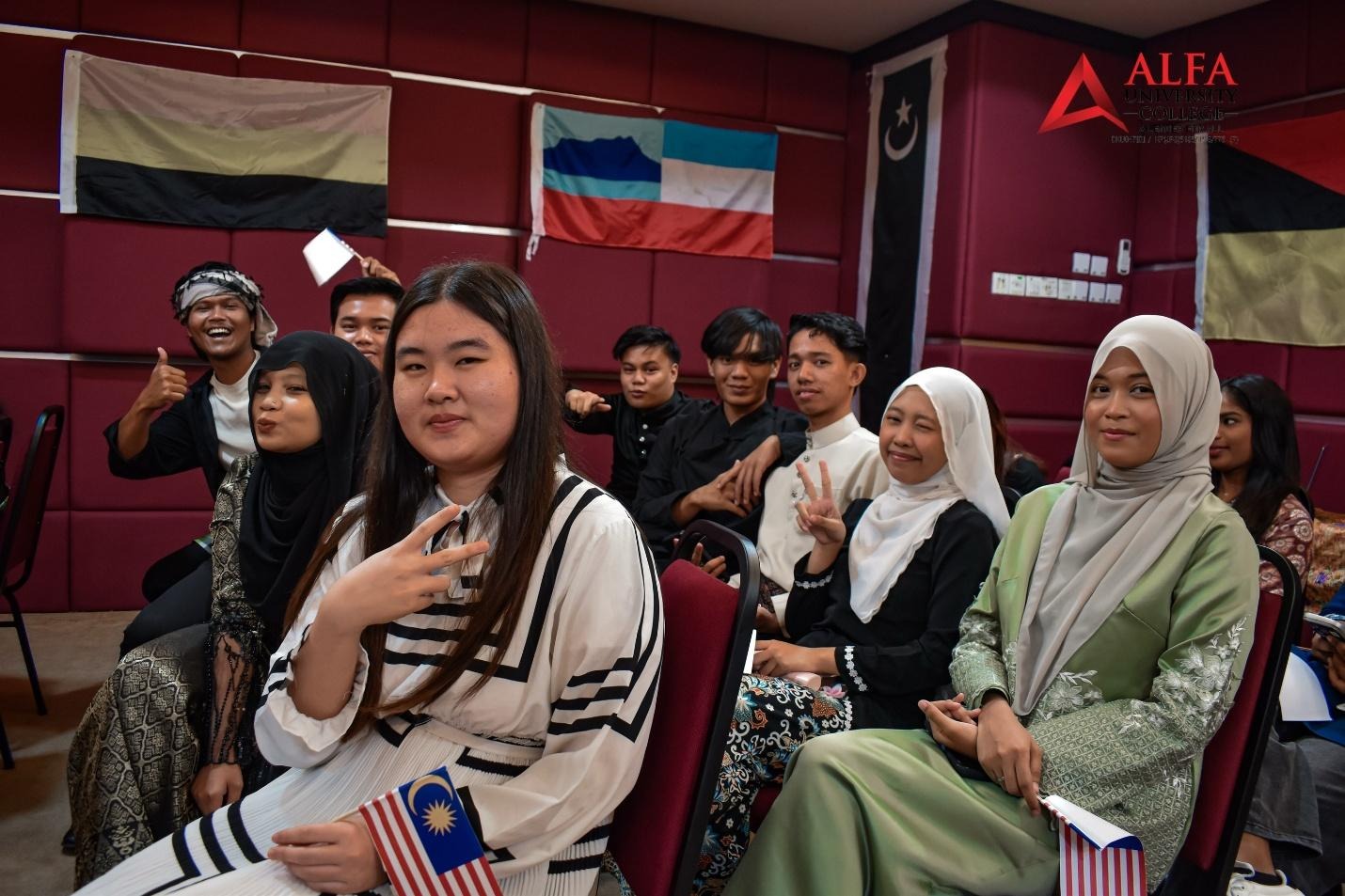
Gender Equality in Lifelong Learning Opportunities
AUC is committed to ensuring that individuals of all genders have equitable opportunities to participate in lifelong learning activities.
The College’s inclusion framework encourages equal access to professional development, educational training, academic engagement and leadership-related learning opportunities.
Through its institutional policies, AUC promotes gender equality and seeks to prevent unfair treatment that could limit participation in educational activities.
The College also recognises the importance of encouraging participation in fields where particular gender groups may be underrepresented.
Its wider institutional approach includes gender awareness initiatives, mentoring opportunities and policies intended to promote a respectful educational environment.
By supporting equitable participation across gender groups, AUC contributes to removing barriers to professional development and strengthening opportunities for personal and socioeconomic advancement.
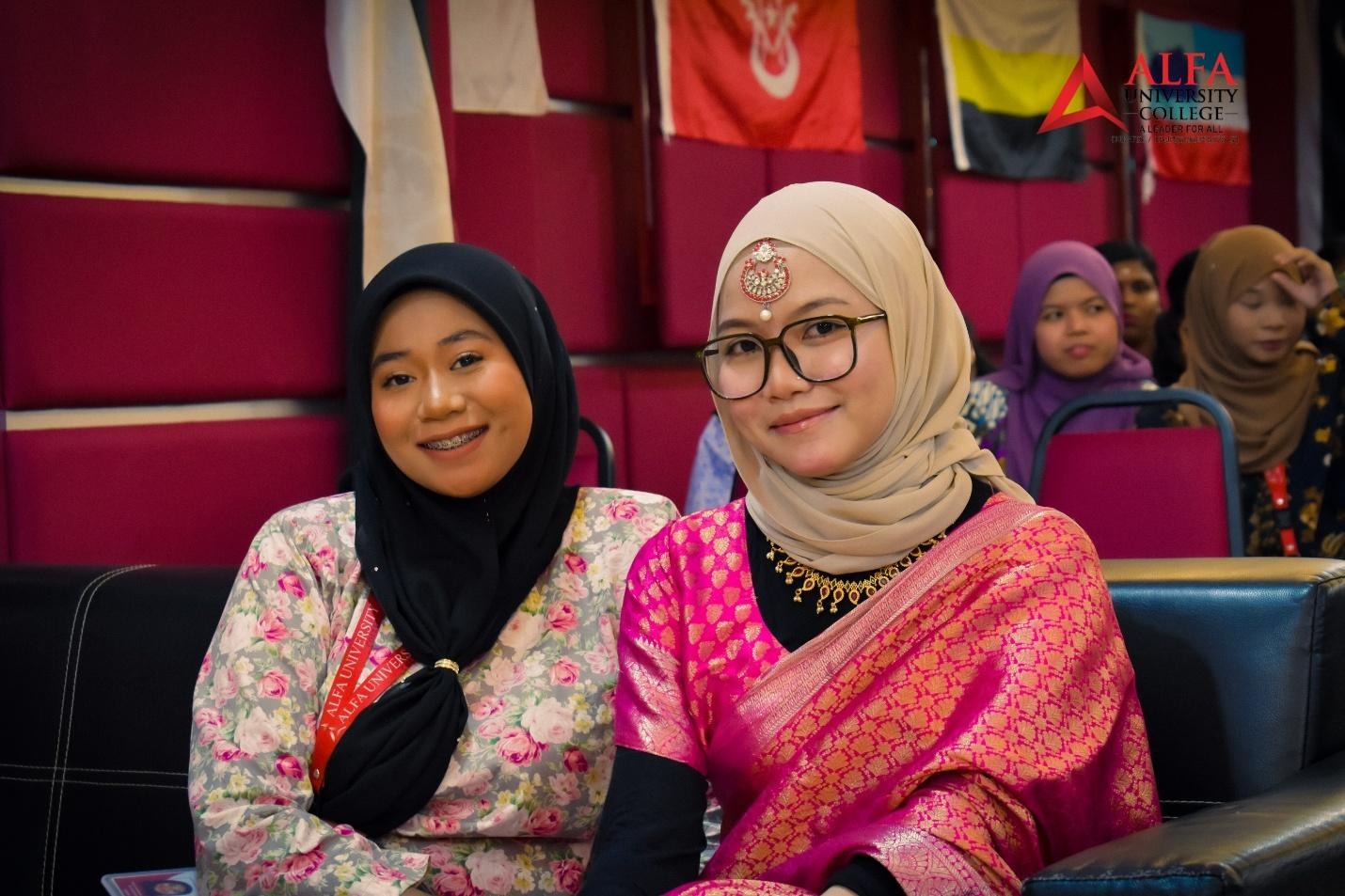
Flexible and Accessible Lifelong Learning Programmes
AUC recognises that individuals have different educational needs, professional responsibilities and personal circumstances.
To accommodate these differences, the College promotes flexible lifelong learning pathways that enable individuals to pursue educational opportunities outside conventional full-time university study.
These opportunities include short courses, professional workshops, public lectures, webinars, online learning activities and continuing education programmes.
The College’s Teaching and Learning Policy also encourages the use of e-learning and flexible educational approaches to support adult learners and individuals seeking continuous skills development.
Such arrangements provide opportunities for working professionals, entrepreneurs, parents, senior citizens and other community members to participate in learning activities according to their needs and availability.
By promoting flexible educational opportunities, AUC seeks to reduce barriers related to employment commitments, geographical distance and traditional academic scheduling.

Equal Access to Educational Facilities and Digital Resources
AUC acknowledges that access to appropriate learning facilities and educational technologies is essential for meaningful participation in lifelong learning.
The College’s community education initiatives include opportunities for individuals who are not formally enrolled as students to access designated library facilities, computer laboratories and digital learning resources.
These facilities support independent learning, educational research, digital literacy and skills development.
AUC also promotes accessible digital learning opportunities through online courses, webinars and educational materials.
The College’s publicly documented plans include the development of an open educational resource repository containing selected lecture notes, electronic books and recorded lectures.
Through these initiatives, AUC seeks to make educational knowledge more accessible to the wider community while reducing technological and informational barriers.
Community access remains subject to applicable facility arrangements, programme availability and relevant institutional requirements.
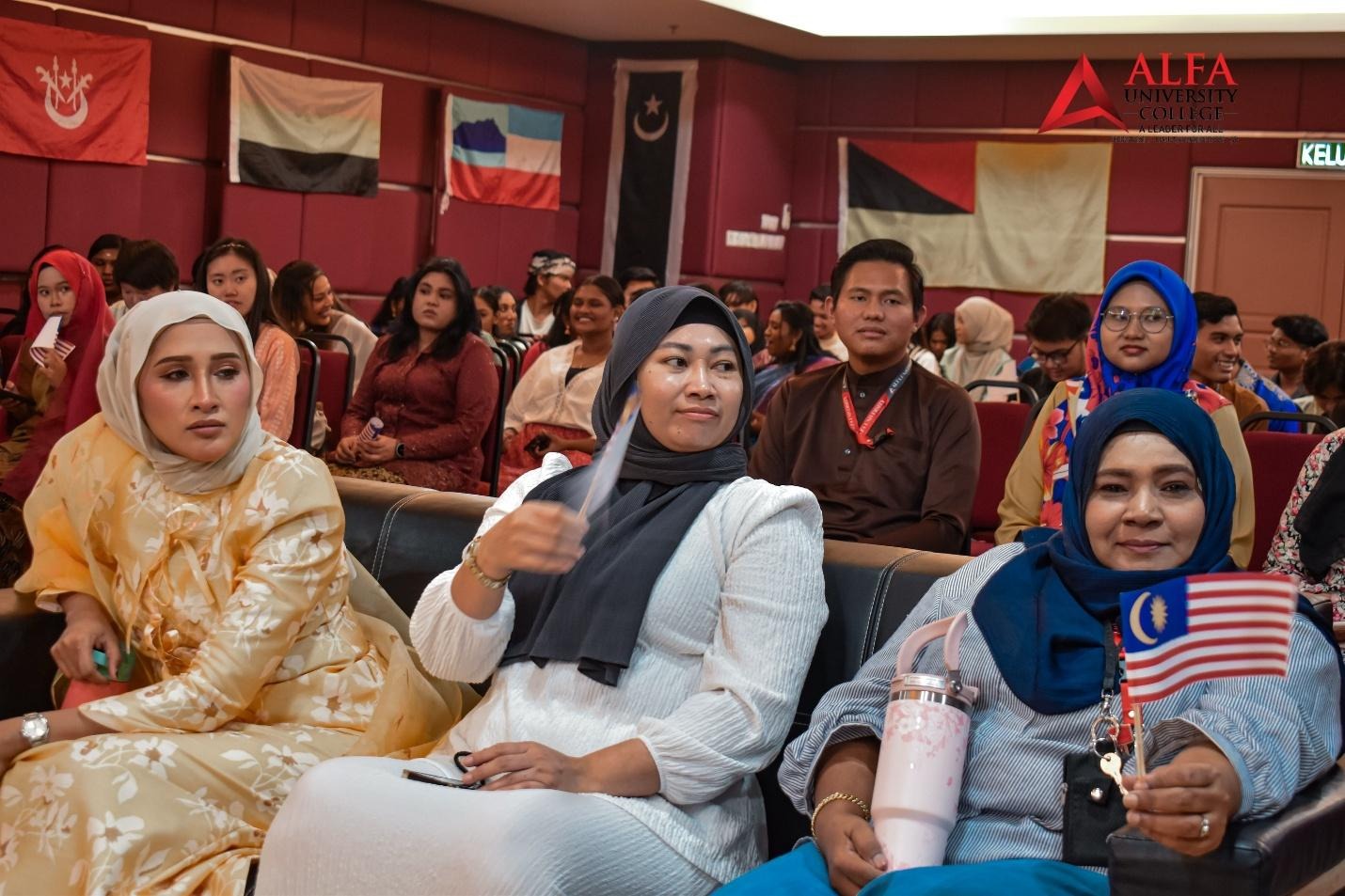
Financial Inclusion and Support for Economically Disadvantaged Learners
AUC recognises that financial hardship can significantly limit individuals’ ability to participate in educational and professional development opportunities.
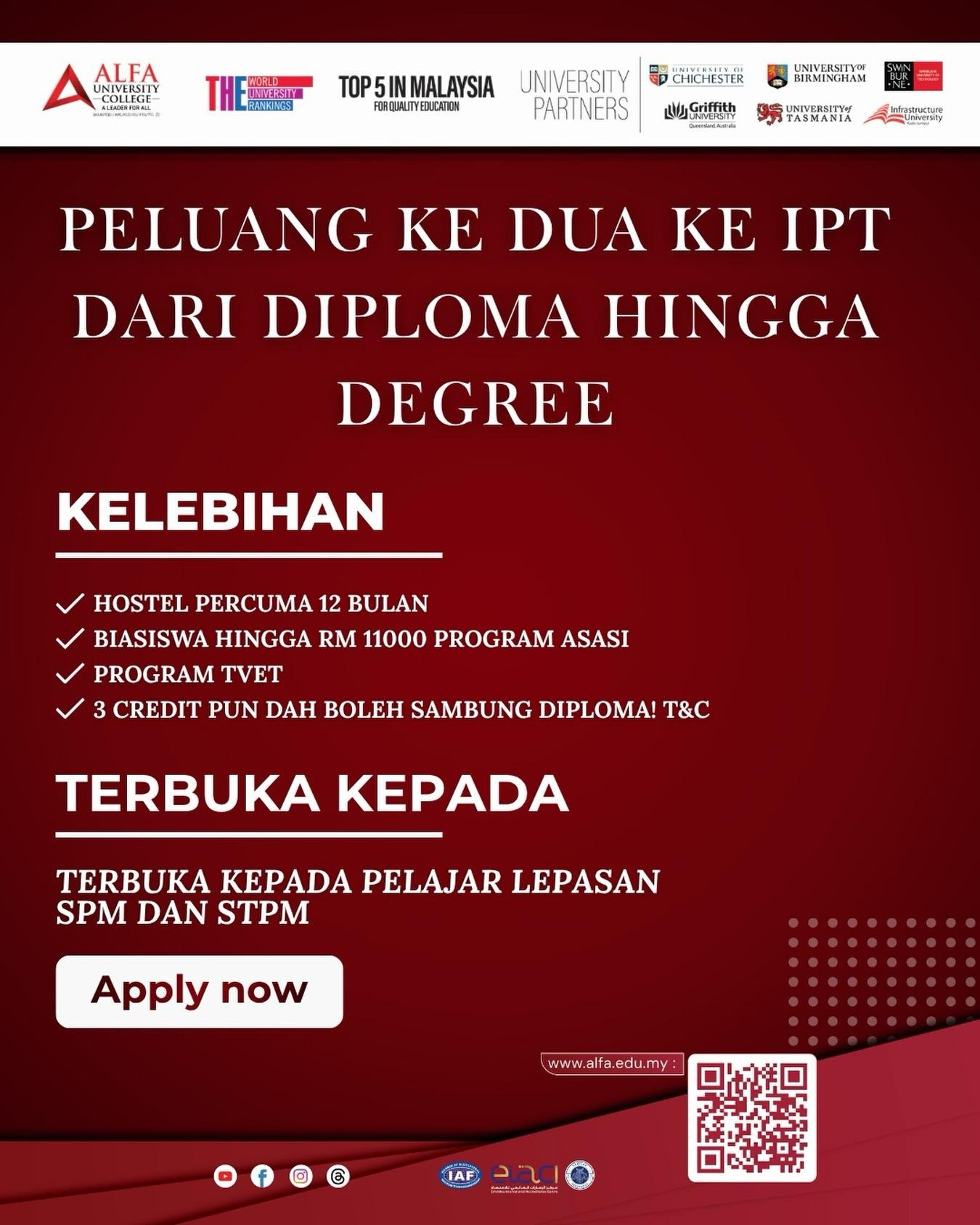
To promote inclusive learning, the College provides information on scholarships, applicable fee reductions and other financial assistance arrangements for eligible learners from low-income or underrepresented groups.
The College also offers free or subsidised public learning opportunities through selected online courses, educational workshops and community activities.
These initiatives are intended to reduce financial barriers and encourage participation among individuals who might otherwise be unable to access continuing education.
By combining educational accessibility with appropriate financial support opportunities, AUC contributes to strengthening social mobility and promoting equitable access to lifelong learning.
The availability and conditions of financial assistance depend on the relevant programme and applicable eligibility requirements.
Advisory, Counselling and Learner Support Services
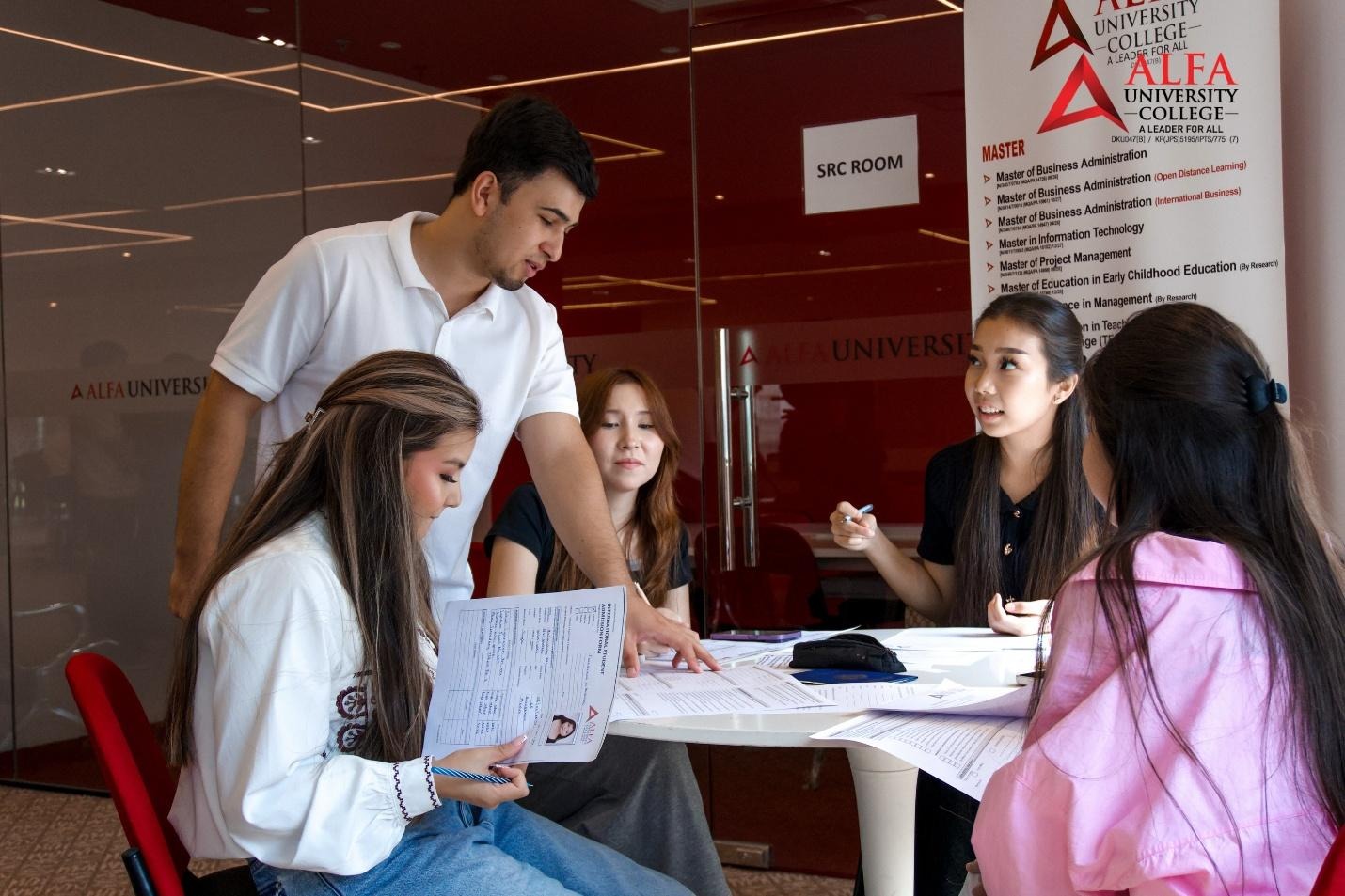
AUC recognises that inclusive education requires appropriate support mechanisms to address participants’ educational, personal and accessibility-related needs.
The College’s published inclusion framework identifies the Student Affairs Office and the Centre for Lifelong Learning as important sources of guidance and assistance.
These services are intended to help individuals understand available learning opportunities, identify relevant support arrangements and obtain guidance concerning educational participation.
The College also promotes appropriate advisory and counselling services to support learners who may encounter difficulties affecting their learning experience.
Through these mechanisms, AUC seeks to strengthen educational accessibility and create a supportive learning environment for participants from diverse backgrounds.
The institution recognises that responsive guidance and effective communication are important components of implementing an inclusive lifelong learning policy.
Community Outreach and Educational Inclusion
AUC recognises that some individuals experience additional barriers to education because of poverty, disability, geographical distance, displacement or social exclusion.
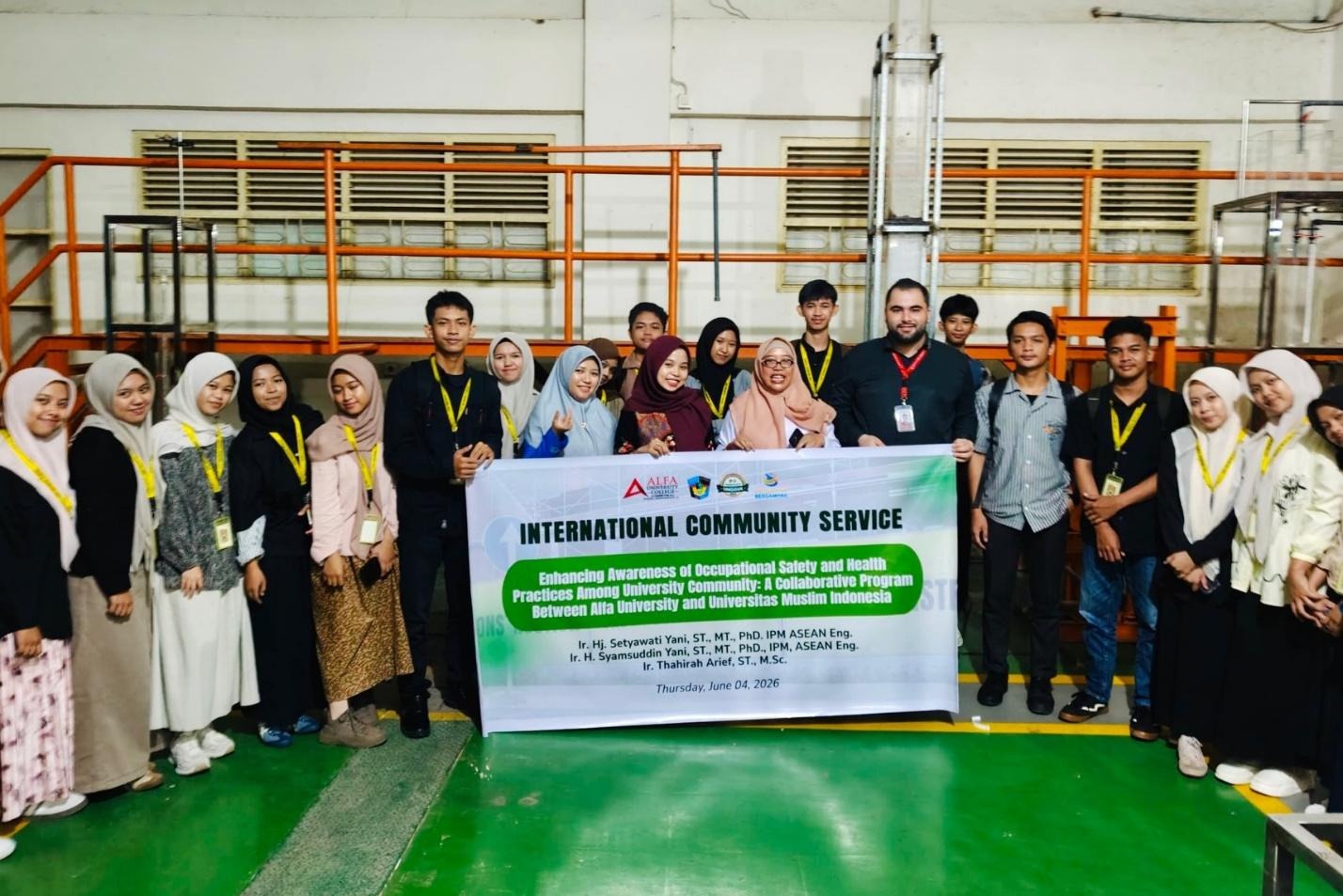
The College therefore extends its educational engagement beyond campus through community outreach programmes, collaborative educational activities and partnerships with relevant organisations.
These initiatives seek to improve access to knowledge and practical learning opportunities among underserved populations.
Community-based programmes include digital literacy education, professional skills workshops, awareness activities and public learning opportunities.
The College also collaborates with schools, non-governmental organisations and community groups to strengthen educational participation among individuals who may have limited access to conventional learning resources.
Through outreach and partnership activities, AUC seeks to translate its commitment to educational inclusion into practical opportunities for the wider society.
Policy Implementation and Institutional Accountability
AUC recognises that an inclusive education policy must be supported by clear institutional responsibility and continuous evaluation.
At AUC, the Office of Academic Affairs and the Centre for Lifelong Learning jointly oversee the implementation of its lifelong learning inclusion and accessibility commitments.
Their responsibilities include supporting policy implementation, reviewing accessibility arrangements and identifying opportunities to improve equitable participation.
The College also promotes regular reviews, institutional audits, learner feedback and community consultations to assess the effectiveness of its inclusion initiatives.
These mechanisms provide opportunities to identify emerging educational barriers and respond to the changing needs of learners.
Through policy oversight and continuous improvement, AUC seeks to ensure that lifelong learning opportunities remain accessible, relevant and responsive to society.
Monitoring Equal Participation and Continuous Improvement
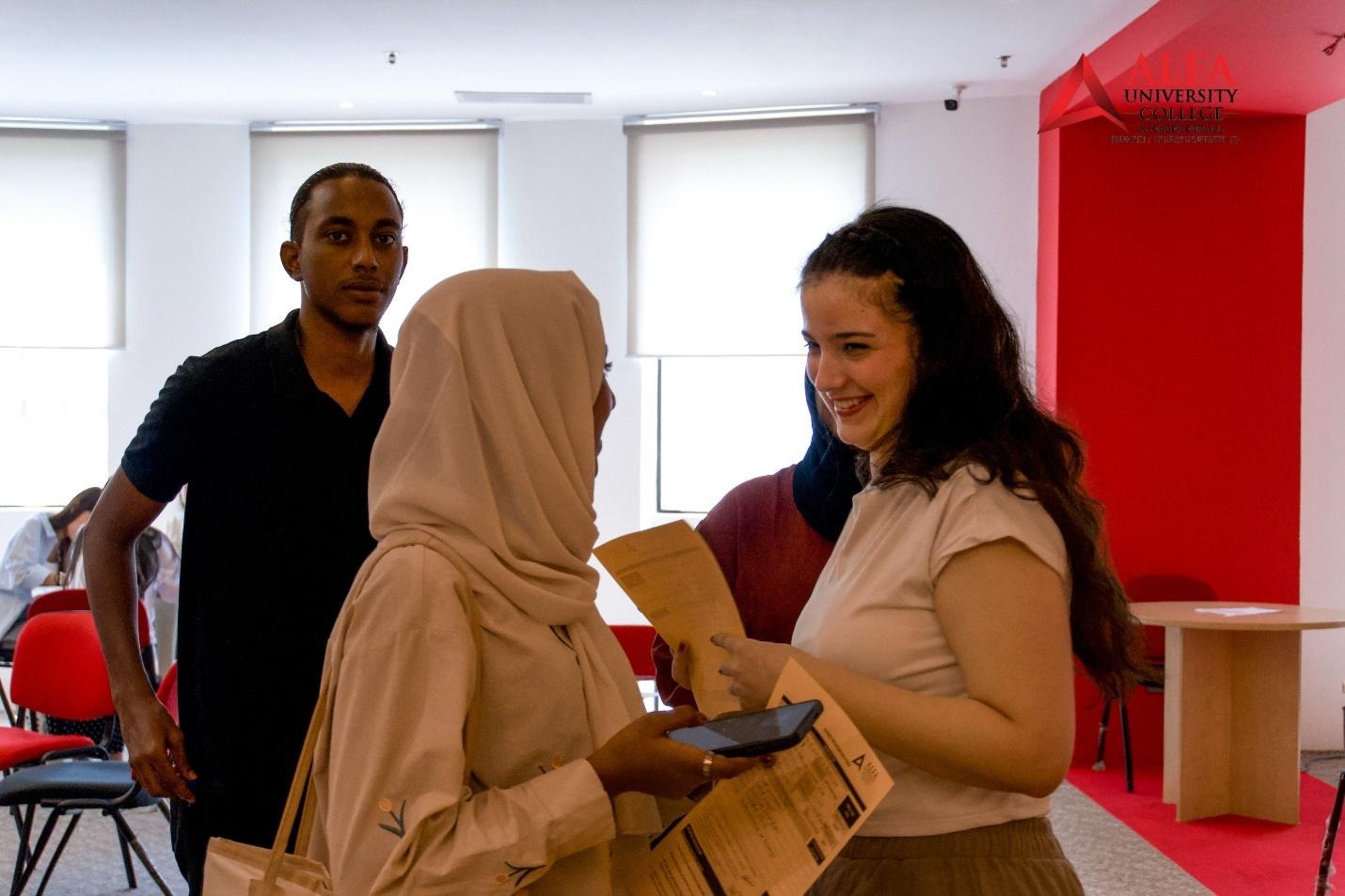
AUC recognises that monitoring educational accessibility is important for understanding the effectiveness of its lifelong learning policies.
The College’s institutional approach encourages the collection and review of appropriate participation information, learner feedback and accessibility-related concerns.
Relevant indicators include participation in lifelong learning activities, engagement by individuals from underrepresented communities, requests for accessibility support, availability of inclusive learning arrangements and participant satisfaction.
The College also recognises the importance of ensuring that monitoring activities respect confidentiality, personal dignity and applicable data protection requirements.
Through feedback mechanisms and regular institutional review, AUC seeks to strengthen programme accessibility and respond appropriately to barriers identified by learners.
This approach supports the continuous development of inclusive educational environments and promotes accountability in the implementation of institutional commitments.
At Alfa University College, we believe that education is a lifelong right and that every individual deserves a fair opportunity to learn, grow and achieve their potential, regardless of ethnicity, religion, disability, immigration status or gender.
Commitment to Inclusive Lifelong Learning for All
At Alfa University College (AUC), Malaysia, we believe that education is a universal right and that learning opportunities must be open to everyone regardless of ethnicity, religion, disability, immigration status, or gender. In line with this vision, AUC has adopted a comprehensive Inclusion and Accessibility Policy to ensure that all individuals have equitable access to the university’s lifelong learning activities.
This policy reflects AUC’s dedication to diversity, equality, and continuous personal and professional development, serving as a cornerstone of the institution’s mission to empower people through education.

Ensuring Equal Access to Lifelong Learning
Alfa University College’s Lifelong Learning Programme is designed to reach learners at every stage of life from youth and working professionals to senior citizens. Under the inclusivity policy, the university guarantees that:
- All programmes and courses are free from discrimination and open to participants of every background.
- Learning environments and materials are accessible to individuals with disabilities, including those requiring special assistance or adaptive technologies.
- Participation is not restricted by immigration or residency status, supporting both Malaysian citizens and international learners.
- All genders are equally encouraged and supported in pursuing education, leadership, and research opportunities.
This inclusive framework ensures that AUC’s educational mission is not limited by barriers, but instead strengthened by the diversity of its learners.
Accessible Learning Facilities and Support
To uphold its accessibility standards, AUC provides a range of support services and infrastructure that make learning possible for all:
- Accessible Campuses: Classrooms, libraries, and laboratories are equipped with features to accommodate persons with physical disabilities.
- Digital Access: Online and blended learning platforms are designed to meet accessibility standards for all learners.
- Advisory and Counselling Services: The Student Affairs Office and the Centre for Lifelong Learning provide guidance to ensure that every learner receives fair support.
- Financial Assistance: Scholarships and fee reductions are available for students from low-income or underrepresented groups.

These initiatives work together to create a welcoming, respectful, and empowering learning environment.
Policy Oversight and Continuous Improvement
The Office of Academic Affairs and the Centre for Lifelong Learning jointly oversee the implementation of this policy. Regular audits, feedback mechanisms, and community consultations ensure that inclusivity and accessibility remain living commitments continually reviewed and improved to meet the evolving needs of learners and society.


Through this policy, Alfa University College reaffirms its belief that lifelong learning is a pathway to equality, empowerment, and social progress. By making all educational opportunities accessible irrespective of personal or social circumstances. AUC is helping to build a more inclusive Malaysia and a more connected world.
At Alfa University College, learning truly belongs to everyone.