
Alfa University College (AUC), Malaysia, is committed to creating an inclusive higher education environment where financial hardship does not prevent students from achieving their academic aspirations. Recognising that the cost of living, inadequate accommodation, transportation expenses and personal challenges can significantly affect academic performance and student retention, AUC has developed comprehensive support initiatives to assist students from the poorest households throughout their university education.
AUC prioritises the welfare of students from the bottom two financial deciles, representing the lowest 20% of households by income.
The College’s approach extends beyond tuition assistance to addressing essential living expenses, personal well-being and socioeconomic challenges that could otherwise prevent financially disadvantaged students from completing their academic programmes.

Food Assistance and Nutritional Support
AUC recognises that access to adequate and nutritious food is essential for students’ physical well-being, concentration, academic participation and overall educational success.
To reduce food insecurity among students from economically disadvantaged backgrounds, the College provides food assistance through subsidised meal arrangements, meal vouchers and collaborative initiatives involving community organisations and food donors.
These initiatives are intended to ensure that eligible students can access affordable meals without compromising other essential educational expenses.
AUC has established an institutional target of providing more than 50,000 subsidised meals annually by 2026, with the objective of reducing food insecurity among at least 70% of students from the bottom two financial deciles.
By addressing food insecurity, the College seeks to improve student well-being, strengthen academic engagement and minimise learning disruptions associated with inadequate nutrition.


Affordable Accommodation and Housing Assistance
The availability of safe, affordable and suitable accommodation is an important factor influencing university students’ academic stability and ability to complete their studies.
For students from the poorest families, rental expenses and accommodation-related costs can impose significant financial pressures, particularly for those who must relocate from rural communities or other states to pursue their education.

To address these challenges, AUC supports eligible students through accommodation subsidies, rental assistance and emergency housing arrangements.
The College’s housing support initiatives are designed to improve access to secure living environments, reduce accommodation-related financial hardship and minimise the risk of students discontinuing their studies because of housing instability.
AUC’s published institutional commitment includes housing assistance for at least 200 students from low-income backgrounds annually.
Through these measures, the College promotes accommodation security as an important foundation for academic achievement, personal development and successful graduation.

Transportation Assistance and Improved Campus Accessibility
Transportation represents another significant financial challenge for students from low-income households, particularly those who commute considerable distances between their residences and the university.
AUC recognises that inadequate access to affordable transportation can contribute to poor class attendance, lateness, limited participation in academic activities and, ultimately, reduced educational attainment.
To minimise these barriers, the College facilitates discounted or free campus shuttle services and transportation allowances for eligible students.
These initiatives are intended to make daily commuting more affordable, improve access to lectures, laboratories and other academic facilities, and promote consistent student participation.
AUC has identified a target of supporting at least 65% of disadvantaged students annually by covering up to 80% of their transportation costs.
By reducing transportation-related expenses, AUC seeks to strengthen student attendance, academic continuity and overall retention.

Legal Advisory, Welfare and Student Protection Services
AUC acknowledges that financially disadvantaged students may experience challenges extending beyond academic requirements and living expenses.
Some students may encounter tenancy disputes, financial difficulties, documentation concerns, family-related challenges or other circumstances requiring professional advice and institutional support.
To address these needs, AUC’s student welfare framework provides access to free or affordable legal advisory support, welfare officers and referral services to appropriate external organisations.
These services are intended to help students understand available assistance, receive guidance regarding personal or administrative challenges and access relevant professional support when necessary.
Student welfare officers also assist students in identifying appropriate institutional resources and managing difficulties that may affect their academic progression.
As part of its commitment to accessible student welfare, AUC has established a target of ensuring that at least 95% of students requesting legal or welfare assistance receive timely support by 2027.
The College recognises that early assistance and effective referrals can prevent manageable difficulties from developing into circumstances that interrupt or terminate a student’s education.

Financial Assistance and Emergency Support
In addition to essential living support, AUC recognises that unexpected financial difficulties can threaten students’ ability to remain enrolled.
To address such circumstances, the College promotes financial assistance opportunities, scholarship information and access to appropriate educational financing arrangements.
Emergency assistance initiatives are also designed to provide short-term support to eligible students experiencing urgent financial challenges, including unexpected living expenses and essential educational needs.
The College’s Student Services Team provides guidance to students seeking available support and helps connect them with relevant institutional resources.
By strengthening access to assistance during periods of financial instability, AUC seeks to reduce avoidable withdrawals and promote continued participation in higher education.

Academic Mentorship, Counselling and Student Retention
AUC recognises that essential welfare services must be complemented by academic and personal support to achieve meaningful improvements in student completion rates.
The College therefore integrates academic mentorship, counselling, lecturer consultations and student progress monitoring into its broader student support framework.
These initiatives help identify students experiencing academic difficulties, financial pressure or personal circumstances that may affect their ability to complete their studies.
Through appropriate academic guidance and early intervention, AUC aims to provide students with the assistance required to maintain satisfactory academic progress and complete their programmes successfully.
This integrated approach reflects the College’s understanding that student retention depends on addressing both educational and socioeconomic barriers.
Institutional Targets and Commitment to Measurable Outcomes
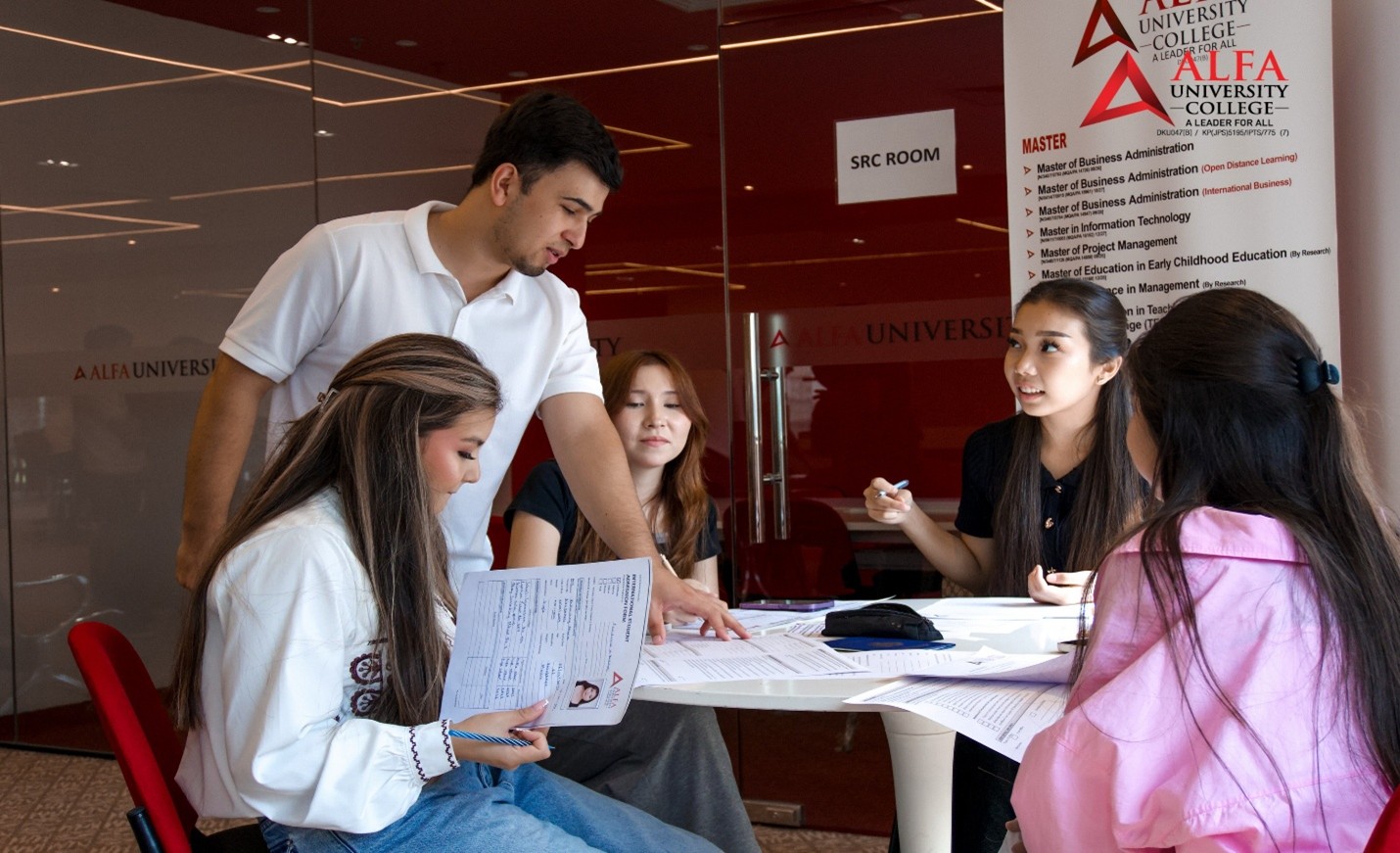
AUC places importance on setting measurable targets to strengthen its response to the needs of students from financially disadvantaged families.
Its published institutional commitments include:
- Food security: More than 50,000 subsidised meals annually by 2026, with the aim of reducing food insecurity among at least 70% of students from the bottom two financial deciles.
- Housing assistance: Support for at least 200 eligible low-income students each year.
- Transportation assistance: A target of covering up to 80% of transportation costs for at least 65% of financially disadvantaged students annually.
- Legal and welfare services: Timely assistance for at least 95% of students requesting legal or welfare support by 2027.
- Graduation and completion: A long-term objective of achieving a 90% graduation rate among students from the bottom two financial deciles by 2030.
These targets provide a framework for monitoring the reach and effectiveness of AUC’s support initiatives and strengthening its institutional accountability.
Through continued evaluation, student feedback and stakeholder engagement, the College seeks to improve the accessibility and effectiveness of its welfare arrangements.

Strengthening Partnerships for Sustainable Student Support
AUC recognises that addressing student poverty requires sustained collaboration among educational institutions, community organisations, government agencies, charitable bodies and other stakeholders.
The College promotes partnerships that support food assistance, educational financing, student welfare and community engagement.
Such collaborations contribute to the development of a supportive educational environment while expanding opportunities for financially disadvantaged students to receive appropriate assistance.
Through its community-oriented approach, AUC seeks to strengthen the relationship between higher education, social responsibility and sustainable development.

At Alfa University College, we believe that students should be able to pursue and complete their university education without being prevented by poverty or a lack of essential living support.
Comprehensive Student Support at Alfa University College: Empowering Students from the Poorest Families
At Alfa University College (AUC), Malaysia, we believe that financial hardship should never be a barrier to higher education. Many of our students come from the poorest families, where completing a university degree may seem out of reach. To bridge this gap, AUC has put in place a comprehensive support system that addresses not only academic needs but also the essential living conditions required for students to thrive and complete their studies successfully.
Food Assistance
Access to proper nutrition is vital for student success. AUC provides:
- Subsidized meals through on-campus dining facilities.
- Meal vouchers for students from the lowest financial backgrounds.
- Partnerships with food donors and community organizations to ensure no student goes hungry.
By 2026, AUC aims to provide over 50,000 subsidized meals annually, reducing food insecurity among at least 70% of students in the bottom two financial deciles.



Housing Support
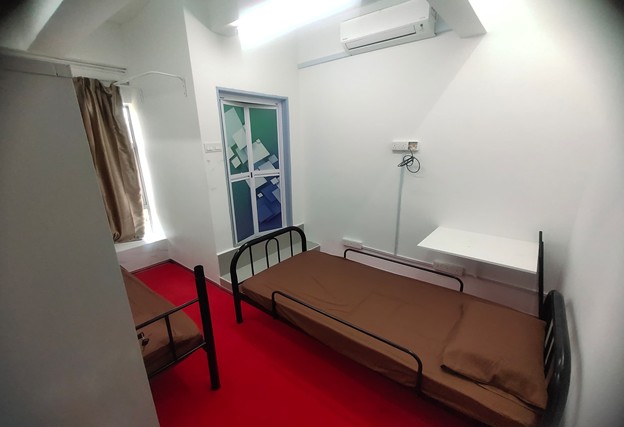
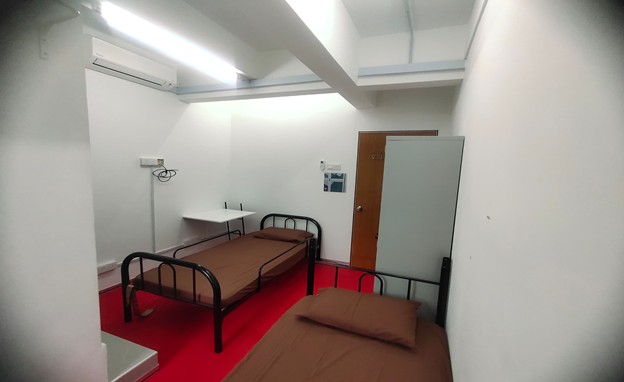
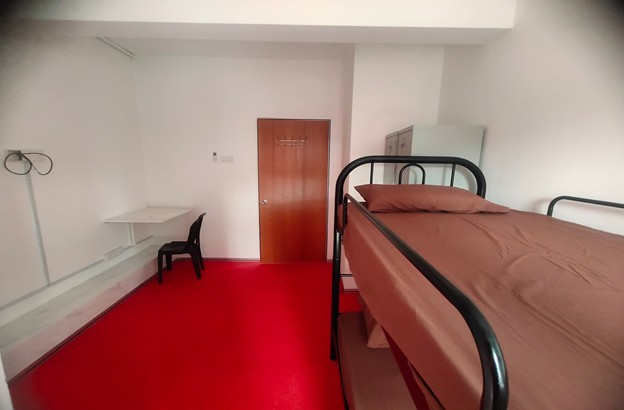
Safe and affordable accommodation is key to academic focus. To ease the burden of living costs, AUC offers:
- On-campus housing subsidies for eligible students.
- Rental assistance for those living off-campus.
- Emergency housing options for students at risk of homelessness.
Each year, AUC provides housing support for at least 200 students from the lowest-income backgrounds, ensuring a safe environment conducive to academic success.




Transportation Aid
Transportation costs can be a major challenge, particularly for students from rural or disadvantaged communities. AUC supports students by:
- Providing discounted or free shuttle services to and from campus.
- Offering transportation allowances for low-income students who commute long distances.
AUC’s goal is to cover up to 80% of transportation costs for at least 65% of the disadvantaged students annually, improving class attendance and retention.



Legal and Welfare Services
Beyond financial struggles, some students face legal or social challenges. To ensure their well-being, AUC provides:
- Free or low-cost legal advisory services for students in need.
- Student welfare officers who guide and assist students with social, financial, or personal issues.
- Advocacy and referrals to external agencies for additional support.
By 2027, at least 95% of students seeking welfare or legal assistance will receive timely support, helping reduce stress and academic disruption.
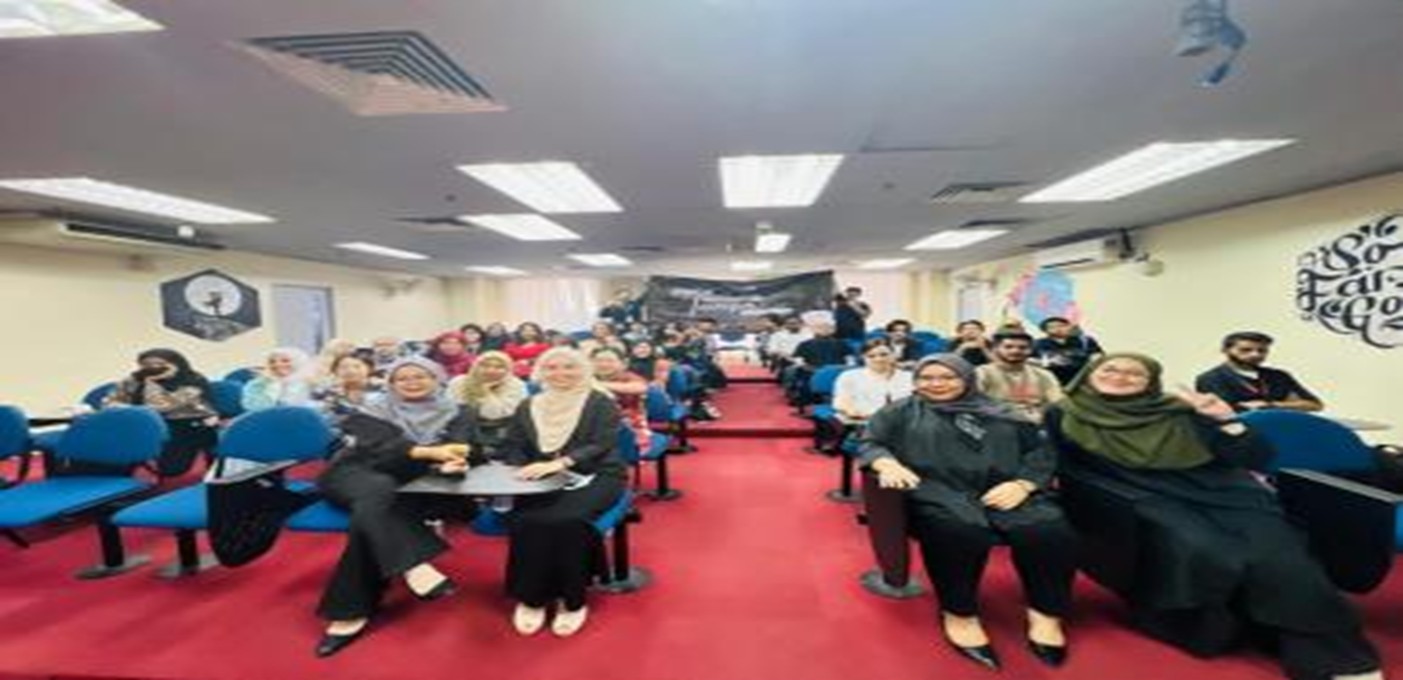

Through these initiatives, Alfa University College creates a safety net for students from the poorest families, ensuring they can focus on their studies rather than financial survival. By addressing food, housing, transportation, and legal needs, AUC empowers students to remain enrolled, progress academically, and ultimately graduate with the skills and qualifications to transform their lives and uplift their communities.

AUC aims to achieve a 90% graduation rate among students from the bottom two financial deciles by 2030, setting a benchmark for inclusive higher education in Malaysia.