
Alfa University College (AUC), Malaysia, is committed to promoting sustainable economic development, poverty reduction and community empowerment through educational initiatives that support the establishment and growth of financially and socially sustainable businesses.
Recognising entrepreneurship as an important pathway towards employment creation, financial independence and long-term socioeconomic development, AUC extends its academic expertise, professional resources and institutional facilities beyond the university campus to assist aspiring entrepreneurs, particularly individuals from low-income households and underserved communities.
AUC promotes community-based entrepreneurship programmes, business development workshops, professional mentorship, startup advisory services and access to educational resources.
Through these initiatives, AUC seeks to equip local entrepreneurs with the knowledge, practical competencies and resources necessary to establish, manage and sustain businesses that contribute positively to their communities.

Community Entrepreneurship Education and Business Development Workshops
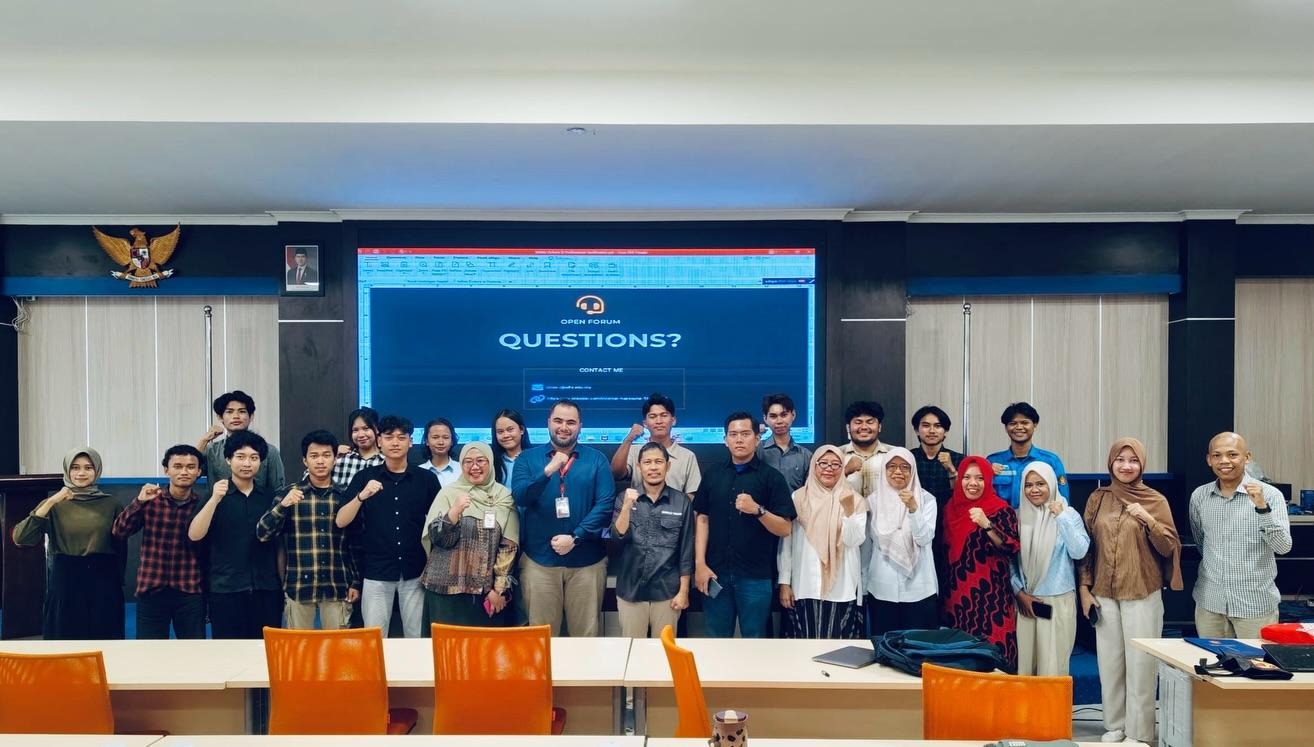
AUC recognises that access to practical business education is essential for individuals seeking to establish sustainable enterprises.
Through community entrepreneurship workshops, short courses and business development training, the College supports aspiring entrepreneurs in acquiring the knowledge and skills required to transform business ideas into viable commercial activities.
Training activities address important aspects of entrepreneurship, including business planning, financial literacy, business registration awareness, marketing strategies, customer relationship management, supply chain management and sustainable business operations.
Particular attention is directed towards microenterprises, small businesses, young entrepreneurs, women entrepreneurs and individuals from economically disadvantaged households.
These educational activities aim to strengthen participants’ understanding of entrepreneurial opportunities, improve financial decision-making and develop practical competencies for establishing and managing small enterprises.
By making entrepreneurship education accessible to the wider community, AUC contributes to reducing knowledge barriers that may prevent individuals from becoming financially independent.
Business Mentorship and Professional Advisory Programmes
Recognising that new entrepreneurs often require continuous professional guidance, AUC supports mentorship initiatives connecting aspiring business owners with academic experts, industry professionals and experienced entrepreneurs.
These mentorship arrangements provide practical guidance on developing sustainable business models, assessing market opportunities, managing financial resources and addressing operational challenges.
Faculty members and relevant industry specialists contribute their professional knowledge to help participants strengthen business ideas and make informed decisions.
The mentorship initiatives also encourage entrepreneurial confidence, innovation, critical thinking and problem-solving.
Through professional guidance and knowledge-sharing activities, AUC seeks to improve entrepreneurs’ readiness to establish and manage viable businesses while minimising avoidable operational and financial difficulties.

Startup Incubation and Business Innovation Support
AUC recognises that aspiring entrepreneurs may require more than classroom-based training to transform innovative ideas into functioning enterprises.
The College therefore promotes startup incubation support through access to shared institutional resources, research materials and business advisory services.
These initiatives assist entrepreneurs in refining business concepts, evaluating market opportunities and developing practical implementation strategies.
Startup development support places emphasis on business feasibility, financial sustainability, effective resource management and the identification of potential customers.
Where appropriate, entrepreneurs are also connected with relevant professional networks and external stakeholders who may provide additional expertise and development opportunities.
Through these activities, AUC seeks to bridge the gap between entrepreneurship education and practical business establishment.

Access to University Facilities and Educational Resources
AUC acknowledges that limited access to information, technology and professional resources can prevent aspiring entrepreneurs from successfully establishing their businesses.
To address this challenge, the College extends access to relevant university facilities and educational resources for community development purposes.
These resources include library materials, research information, learning facilities and relevant institutional expertise that can support entrepreneurship education, business planning and innovation.
Community members are also supported through educational workshops, public learning activities and opportunities to engage with academic professionals.
By providing access to educational resources beyond the university’s enrolled student population, AUC promotes lifelong learning and strengthens the capacity of community members to pursue sustainable economic opportunities.
The initiative reflects the College’s commitment to ensuring that educational resources contribute meaningfully to wider social and economic development.

Digital Entrepreneurship and E-Commerce Capacity Building
AUC recognises that digital technologies provide valuable opportunities for small businesses to expand their markets, improve operational efficiency and reach new customers.
Through digital entrepreneurship education and community training activities, the College promotes practical skills in online business development, digital marketing and technology-supported enterprise management.
Training areas include social media marketing, e-commerce fundamentals, digital branding, online customer engagement and the use of accessible digital tools for business operations.
These initiatives are particularly relevant to microentrepreneurs and small business owners who may lack the technical knowledge or financial resources required to establish a strong digital presence.
By strengthening digital business competencies, AUC seeks to help local entrepreneurs improve market visibility, enhance competitiveness and develop more sustainable income-generating opportunities.

Sustainable and Environmentally Responsible Business Practices
AUC places importance on ensuring that business development contributes not only to financial growth but also to environmental protection and social well-being.
The College incorporates sustainability principles into its entrepreneurship education and community development initiatives.
Training activities promote environmentally responsible business practices, including energy efficiency, waste minimisation, recycling, sustainable sourcing and responsible resource utilisation.
Entrepreneurs are encouraged to consider the environmental and social implications of business decisions when developing products, selecting materials and planning operational activities.
These initiatives aim to support enterprises that are financially viable, environmentally responsible and beneficial to surrounding communities.
Through sustainability-focused entrepreneurship education, AUC contributes to building local economies that balance business development with responsible environmental practices.

Business Advisory Clinics and Technical Consultation Services
Access to timely professional advice is essential for individuals establishing new businesses, particularly those with limited previous entrepreneurial experience.
AUC supports community-oriented business advisory clinics that provide guidance on essential aspects of enterprise development.
These advisory activities involve faculty members and advanced students, who contribute academic knowledge and practical perspectives to addressing business challenges.
Areas of consultation include business feasibility, financial planning, operational management, marketing strategies and general regulatory awareness.
Where specialised legal, financial or regulatory assistance is required, entrepreneurs can be directed towards appropriately qualified professionals or relevant external agencies.
By providing practical guidance and strengthening access to professional knowledge, AUC seeks to reduce common barriers encountered during the early stages of business development.

Supporting Women, Youth and Economically Disadvantaged Entrepreneurs
AUC recognises the importance of inclusive entrepreneurship in addressing poverty, unemployment and inequalities in economic participation.
The College’s community entrepreneurship initiatives place particular emphasis on expanding access to business education and relevant resources for individuals who may experience financial or social barriers to enterprise development.
These groups include low-income households, women seeking economic independence, young entrepreneurs and individuals from underserved communities.
Through accessible educational programmes, business mentorship and community engagement, AUC seeks to strengthen entrepreneurial competencies and encourage greater participation in income-generating activities.
The initiatives support participants in identifying practical business opportunities, developing essential skills and building confidence in their ability to establish sustainable enterprises.
By promoting inclusive entrepreneurship, the College contributes to improving economic participation and supporting community-based poverty reduction.

Industry Partnerships and Community Entrepreneurship Networks
AUC recognises that effective entrepreneurship development requires collaboration among educational institutions, business organisations, local authorities, government agencies and community stakeholders.
The College works with community organisations, local councils, industry partners and other relevant institutions to strengthen entrepreneurship education and startup development support.
These collaborations create opportunities for knowledge exchange, business networking, professional mentorship and access to relevant technical expertise.
Partnership arrangements also help connect aspiring entrepreneurs with individuals and organisations that can provide guidance on market opportunities, business development and sustainable enterprise management.
Through collaborative engagement, AUC seeks to establish a supportive environment where local business ideas can develop into productive economic activities.

Promoting Community Economic Development and Poverty Reduction
The College’s entrepreneurship support activities are designed to generate sustainable socioeconomic benefits beyond individual business development.
By helping community members acquire entrepreneurial skills, access educational resources and receive professional guidance, AUC contributes to efforts to strengthen local economic resilience.
The anticipated benefits of these initiatives include improved self-employment opportunities, increased entrepreneurial participation, stronger microenterprises and greater financial independence among economically disadvantaged individuals.
Successful small businesses can also contribute to local supply chains, create employment opportunities and encourage the circulation of economic resources within surrounding communities.
AUC therefore regards entrepreneurship education as an important instrument for promoting economic inclusion, poverty reduction and sustainable community development.

Continuous Improvement and Long-Term Community Impact
AUC remains committed to strengthening the effectiveness and accessibility of its community entrepreneurship programmes.
The College recognises the importance of evaluating participants’ learning experiences, identifying emerging entrepreneurial needs and adapting training initiatives to changing business environments.
Relevant indicators of programme effectiveness include participation in entrepreneurship workshops, access to mentorship, utilisation of university resources, business development progress and feedback from community stakeholders.

These measures provide opportunities to assess how institutional support contributes to entrepreneurial capacity building and the establishment of sustainable enterprises.
Through continuous engagement with local communities and industry partners, AUC seeks to enhance the relevance of its educational programmes and strengthen their long-term contributions to economic empowerment.
At Alfa University College, we believe that education should not only prepare graduates for employment but also empower communities to create meaningful economic opportunities and sustainable livelihoods.
Empowering Communities Through Sustainable Business Development at Alfa University College
At Alfa University College (AUC), Malaysia, our commitment goes beyond educating students within the classroom, we extend our expertise to uplift local communities. Recognizing that sustainable businesses are essential for long-term economic growth and poverty reduction in the society, AUC actively supports entrepreneurship and community development initiatives that empower individuals to build self-sustaining livelihoods.
Supporting Local Startups
AUC collaborates with community organizations, local councils, and industry partners to provide training, mentorship, and incubation programs for aspiring entrepreneurs. Our focus is on micro and small enterprises, which serve as the backbone of local economies.
- Workshops and Short Courses: Covering essential areas such as financial literacy, digital marketing, supply chain management, and sustainable business models.
- Mentorship Programs: Connecting participants with faculty experts and industry professionals for practical guidance.
- Startup Incubation Support: Offering access to shared facilities, research resources, and advisory services to help new businesses grow.


Promoting Sustainable Practices
We emphasize that business success must go hand-in-hand with sustainability. AUC integrates green business education into our community programs, encouraging environmentally responsible practices such as:
- Energy-efficient operations.
- Waste reduction and recycling.
- Sustainable sourcing of materials.
By equipping entrepreneurs with these skills, we aim to cultivate businesses that contribute to both economic resilience and environmental stewardship.


Access to Resources
Many small businesses fail due to lack of resources. To bridge this gap, AUC provides:
- Access to University Libraries and Research Databases for business planning.
- Advisory Clinics run by faculty and advanced students, offering consultation on legal, financial, and operational issues.
- Networking Opportunities through AUC’s partnerships with industries, government agencies, and NGOs.


Through these efforts, Alfa University College is creating a ripple effect of change:
- Reducing unemployment by empowering individuals to create their own jobs.
- Fostering financial independence in underserved communities.
- Strengthening local economies with sustainable, community-driven enterprises.
By merging academic expertise with practical community outreach, AUC reaffirms its role as not just a center of higher learning, but also a catalyst for social and economic transformation.