Alfa University College (AUC), Malaysia, is committed to ensuring that quality education, academic knowledge and learning resources extend beyond the boundaries of formal university enrolment. Recognising that education is a fundamental driver of personal empowerment, social inclusion and sustainable development, AUC promotes accessible learning opportunities for individuals who are not registered as students of the institution.
AUC provides opportunities for the wider community to benefit from educational facilities, academic expertise, digital learning resources and professional development activities.
Through community access to computer laboratories, library facilities, free and subsidised online courses, public lectures, seminars and collaborative outreach programmes, AUC seeks to reduce barriers to education and promote lifelong learning among individuals from diverse socioeconomic backgrounds.
These initiatives reflect the College’s institutional commitment to ensuring that access to knowledge is not restricted to enrolled students but remains available to the broader society.
Community Access to Computer Laboratories and Digital Learning Facilities
AUC recognises that digital literacy and access to information technology are essential for participation in modern education, employment and economic development.
However, individuals from low-income households and underserved communities may face difficulties accessing computers, reliable internet services and appropriate digital learning environments.
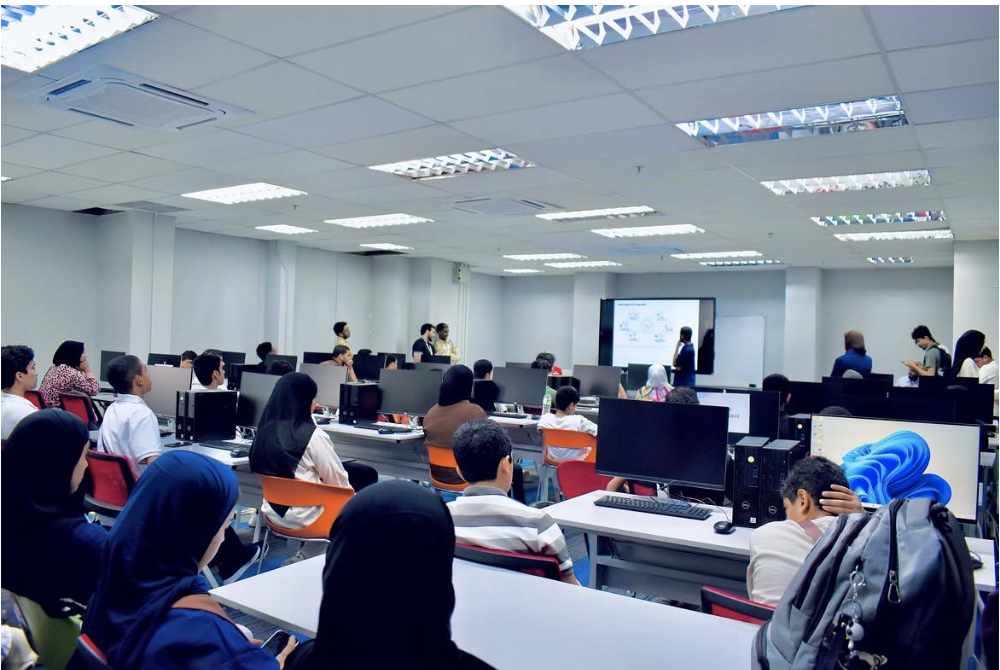
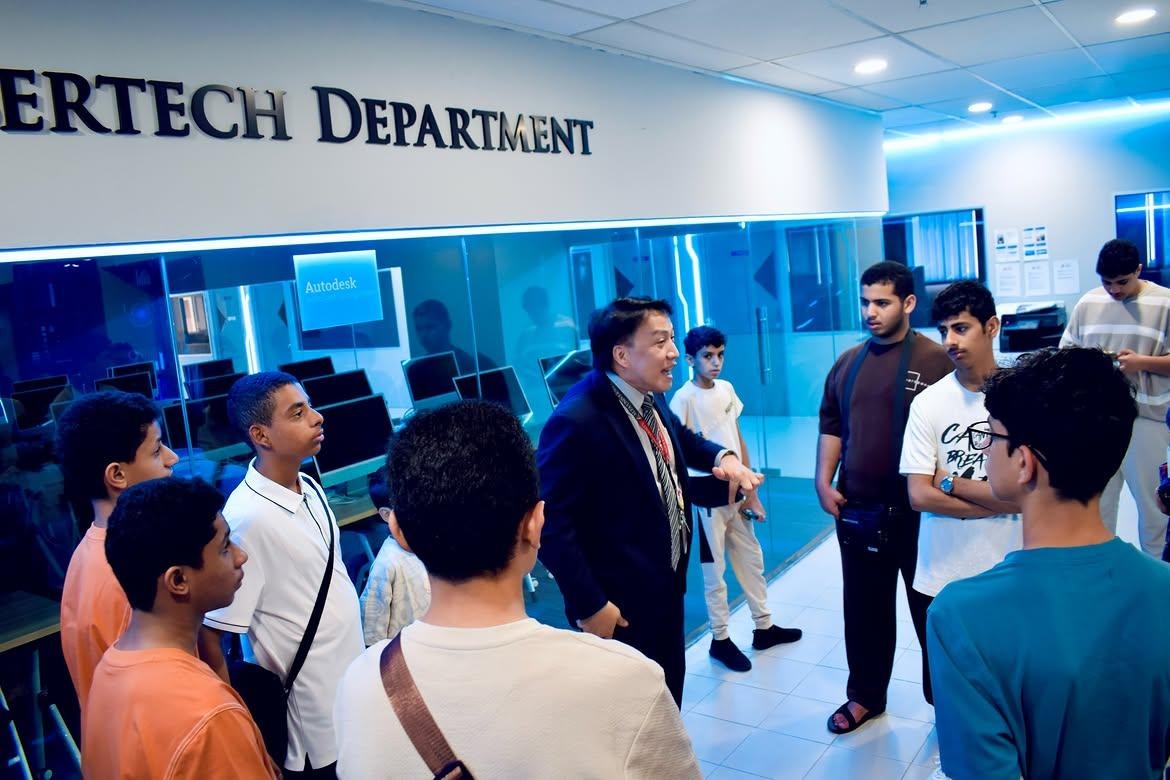
To address these challenges, the College extends access to its computer laboratories and digital learning facilities to members of the wider community.
These facilities provide opportunities for individuals to develop essential computer skills, undertake independent learning, conduct online research and access educational information.
Community access initiatives support activities such as basic computer education, internet navigation, digital communication and practical technology-based learning.
By making digital resources available beyond its enrolled student population, AUC seeks to reduce the digital divide and improve access to technological opportunities for local residents, job seekers, adult learners and other community members.
The College also promotes responsible and effective use of digital technologies as a foundation for lifelong learning and professional development.

Public Access to University Library and Research Resources
AUC acknowledges the important role of libraries in promoting literacy, research, independent learning and intellectual development.
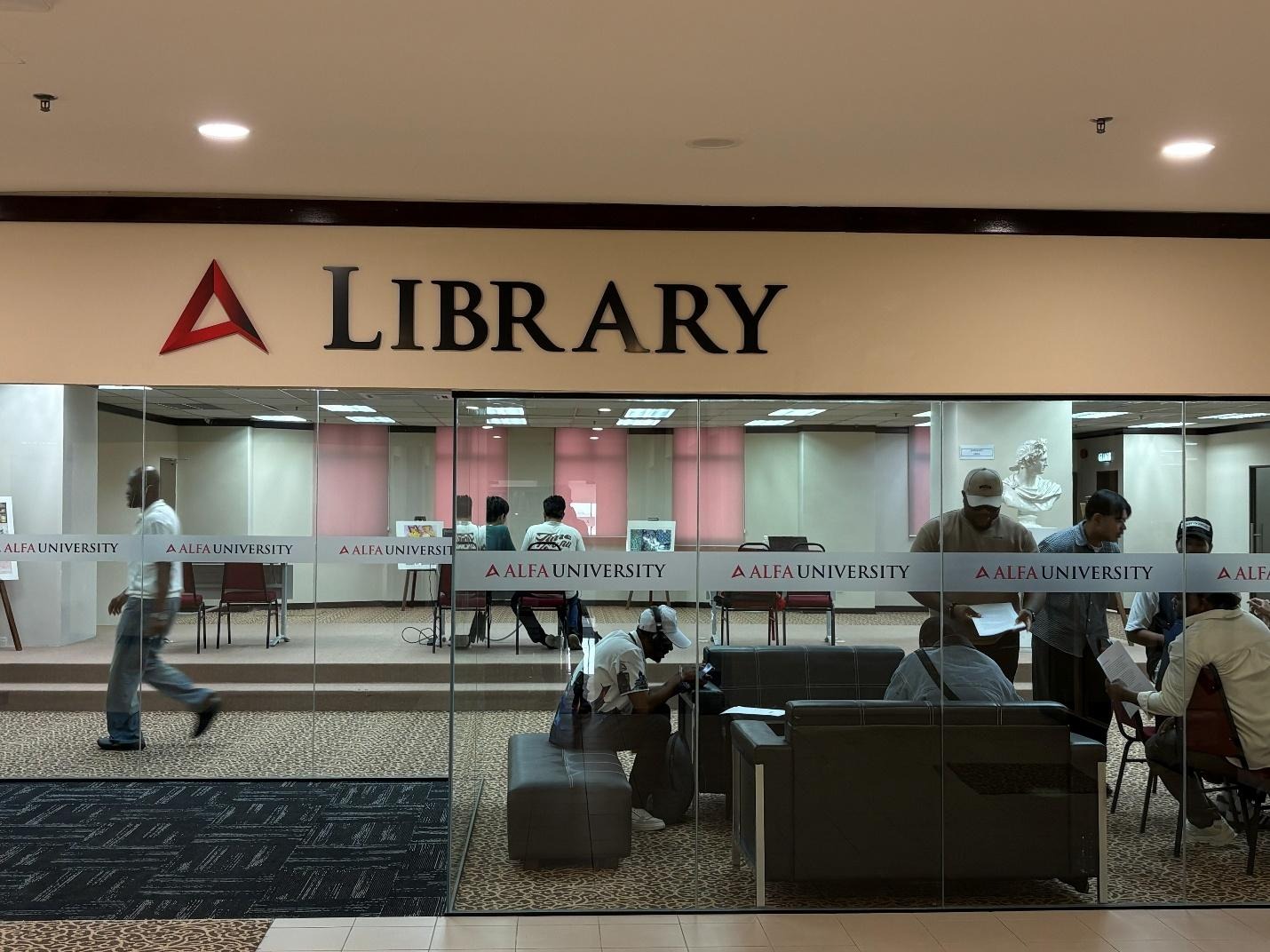
As part of its commitment to community education, the College opens its library facilities to individuals who are not formally enrolled at the institution.
This initiative provides community members with opportunities to use designated study spaces and consult available educational resources for academic, professional and personal development.
Library access supports independent learning, educational research, knowledge acquisition and the development of information literacy skills.
The initiative is particularly beneficial to individuals who may have limited access to suitable learning facilities or educational reference materials.
Through its community library access arrangements, AUC encourages reading, continuous knowledge acquisition and participation in educational activities beyond formal academic programmes.
Free and Subsidised Online Courses for the General Public
AUC recognises that online education provides flexible opportunities for individuals who are unable to attend traditional classroom-based programmes because of employment responsibilities, financial limitations, geographical distance or personal circumstances.
Through its Lifelong Learning and Continuing Education initiatives, the College offers free and subsidised online courses, webinars and professional development workshops accessible to the wider public.
These learning opportunities address areas such as:
- Digital literacy and information technology.
- Entrepreneurship and small business development.
- Communication and professional skills.
- Technology innovation and digital transformation.
- Personal development and lifelong learning.
The programmes are designed to help participants acquire practical knowledge, improve existing competencies and develop skills relevant to contemporary social and economic needs.
By offering flexible and affordable learning opportunities, AUC seeks to improve educational participation among working adults, unemployed individuals, community members and others seeking additional knowledge without enrolling in a full-time academic programme.
Public Lectures, Academic Seminars and Guest Speaker Sessions
AUC believes that academic knowledge should be shared with society through open discussion, professional engagement and community participation.
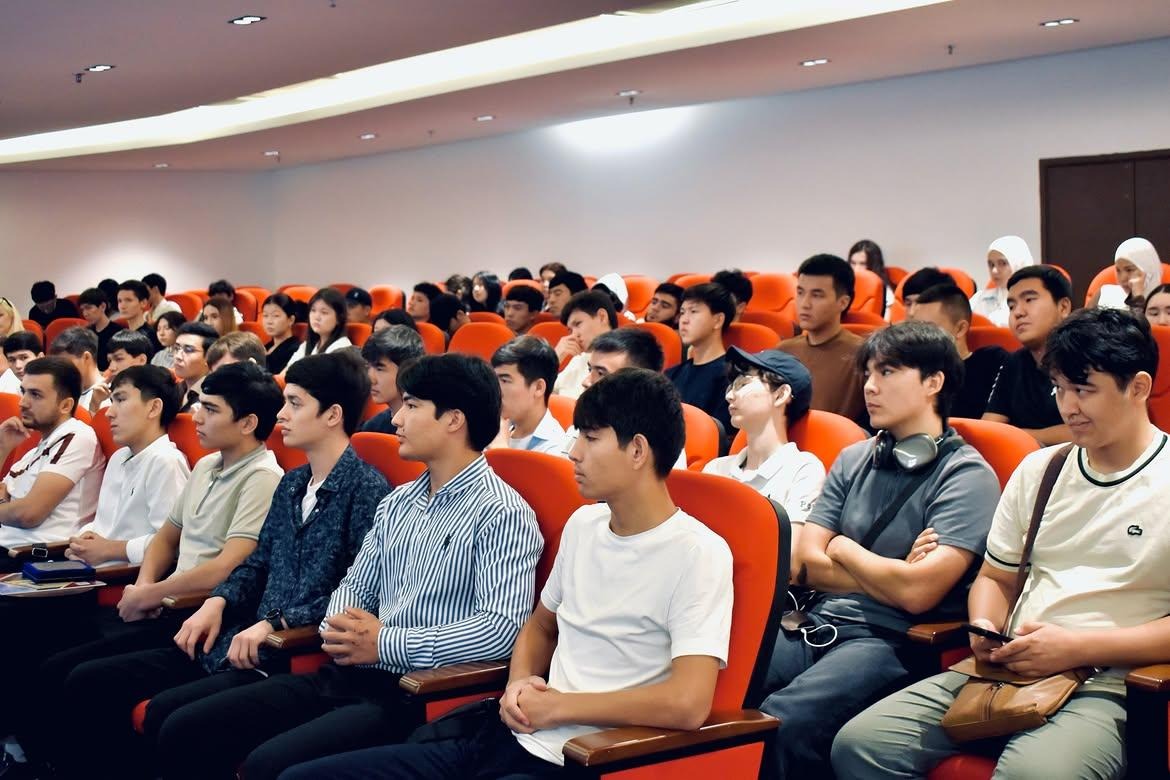
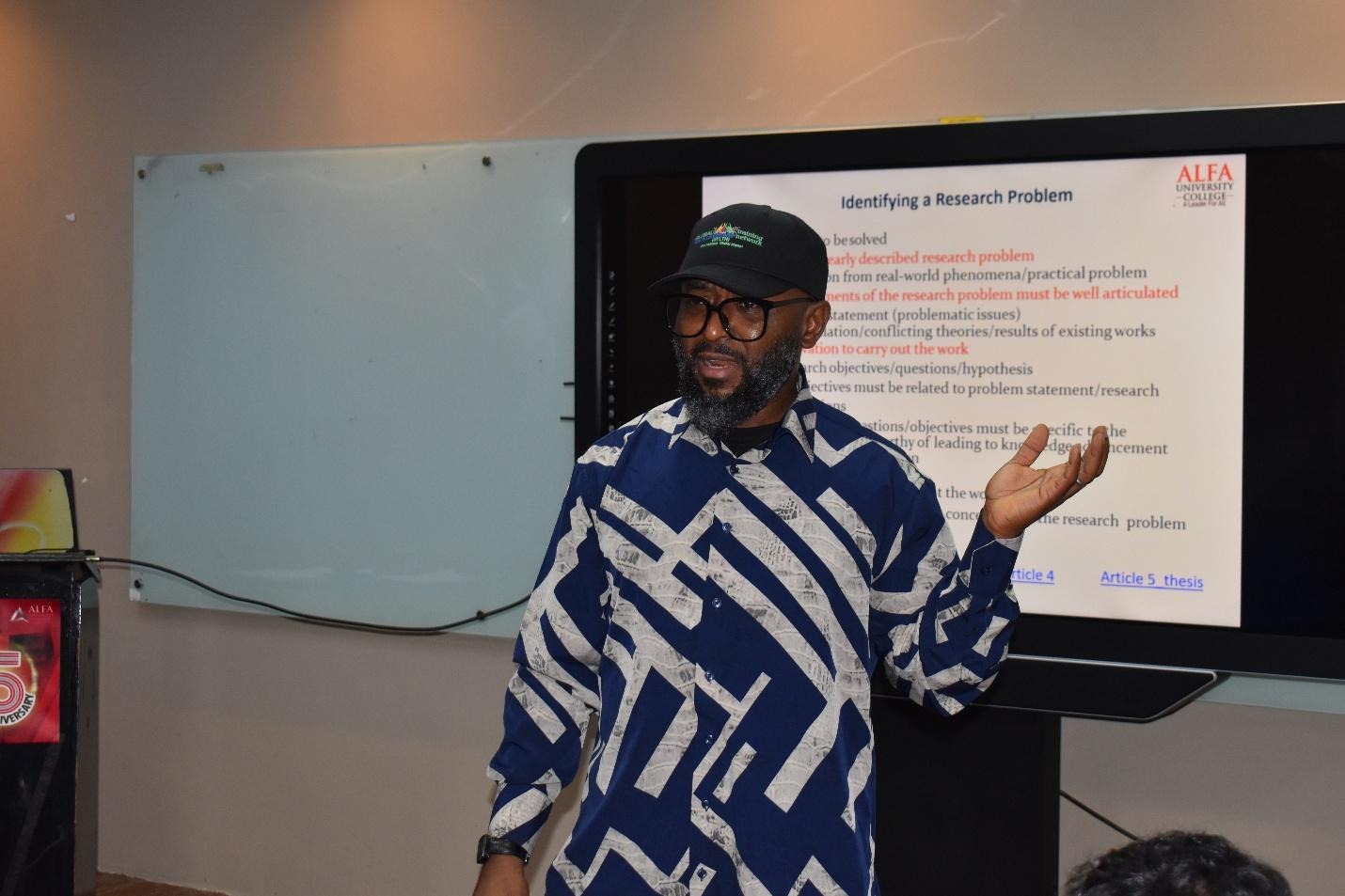
To promote this objective, the College organises public lectures, educational seminars, guest speaker sessions and knowledge-sharing events that welcome participants beyond the university community.
These activities provide opportunities for members of the public to engage with academic experts, researchers, industry professionals and other knowledgeable speakers.
Public educational events address subjects relevant to personal development, professional practice, social well-being, innovation and sustainable development.
Through such engagements, participants can gain new perspectives, strengthen their understanding of contemporary issues and interact with professionals from different academic and industrial backgrounds.
The College’s public lecture initiatives also promote constructive dialogue between academia and society, strengthening the relevance of higher education to everyday community needs.
Open Educational Resources and Digital Knowledge Sharing
AUC recognises the value of open educational resources in expanding learning opportunities to individuals who may not have the financial capacity or geographical proximity required to access conventional university education.
The College is developing an open educational resource repository intended to provide public access to selected learning materials, including lecture notes, electronic books and recorded academic lectures.
This initiative seeks to promote independent learning and facilitate access to educational content without requiring formal university enrolment.
The planned repository will support learners interested in strengthening their knowledge, exploring academic subjects and undertaking self-directed educational activities.
By developing digital educational resources for wider public use, AUC aims to make academic knowledge more accessible and contribute to a culture of open learning and intellectual development.
The initiative also reflects the College’s continuing efforts to integrate educational technology with inclusive and sustainable learning practices.
Community-Based Digital Literacy and Educational Outreach
AUC recognises that providing access to university facilities alone may not adequately address the educational needs of individuals living in underserved communities.
The College therefore collaborates with local schools, non-governmental organisations and community centres to extend educational resources and digital learning opportunities beyond its campus.
These partnerships support digital literacy programmes, community training workshops and outreach initiatives designed to improve public access to educational technologies.
AUC’s published community engagement framework includes mobile digital learning laboratories and other outreach arrangements intended to bring educational resources closer to communities experiencing technological disadvantages.
Through these activities, the College seeks to strengthen digital competencies, encourage independent learning and improve access to educational information.
The initiatives also provide opportunities for community members to become more confident in using technology for education, employment-related activities and personal development.
Inclusive Educational Opportunities for Disadvantaged and Underrepresented Groups
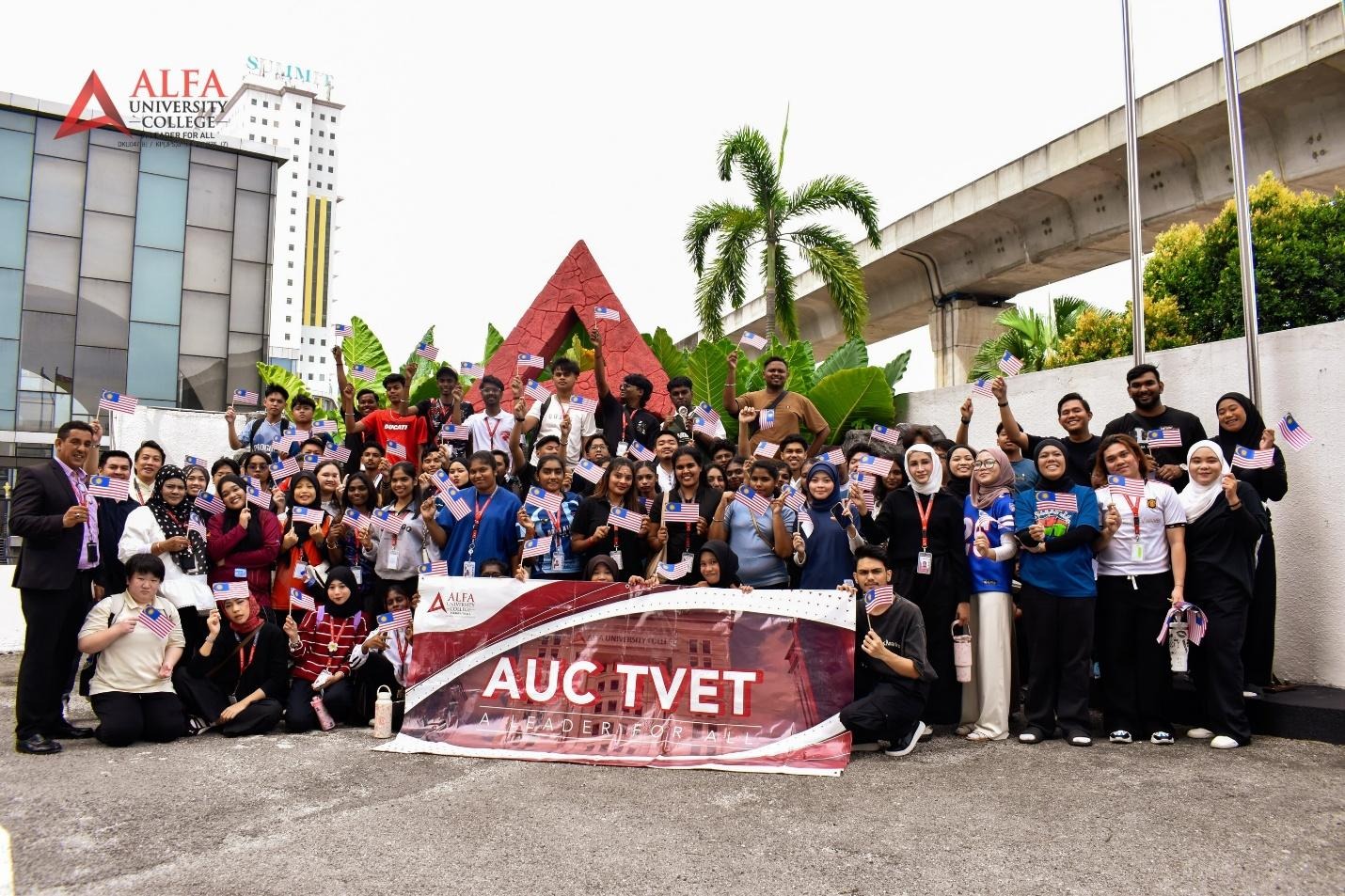
AUC is committed to promoting educational inclusion by addressing barriers that may prevent individuals from benefiting from lifelong learning opportunities.
Through its institutional inclusion and accessibility framework, the College promotes equitable access to learning activities regardless of socioeconomic background, gender, disability, ethnicity or other personal circumstances.
Particular consideration is given to individuals who may experience limited educational opportunities, including low-income households, older adults, persons with disabilities and underserved community populations.
The College’s approach encourages accessible learning environments, inclusive participation and appropriate support for individuals requiring additional assistance.
Through flexible learning arrangements, community access initiatives and institutional support services, AUC seeks to ensure that educational opportunities remain responsive to the diverse needs of society.
By promoting inclusion, the College contributes to reducing educational inequalities and strengthening participation in lifelong learning.
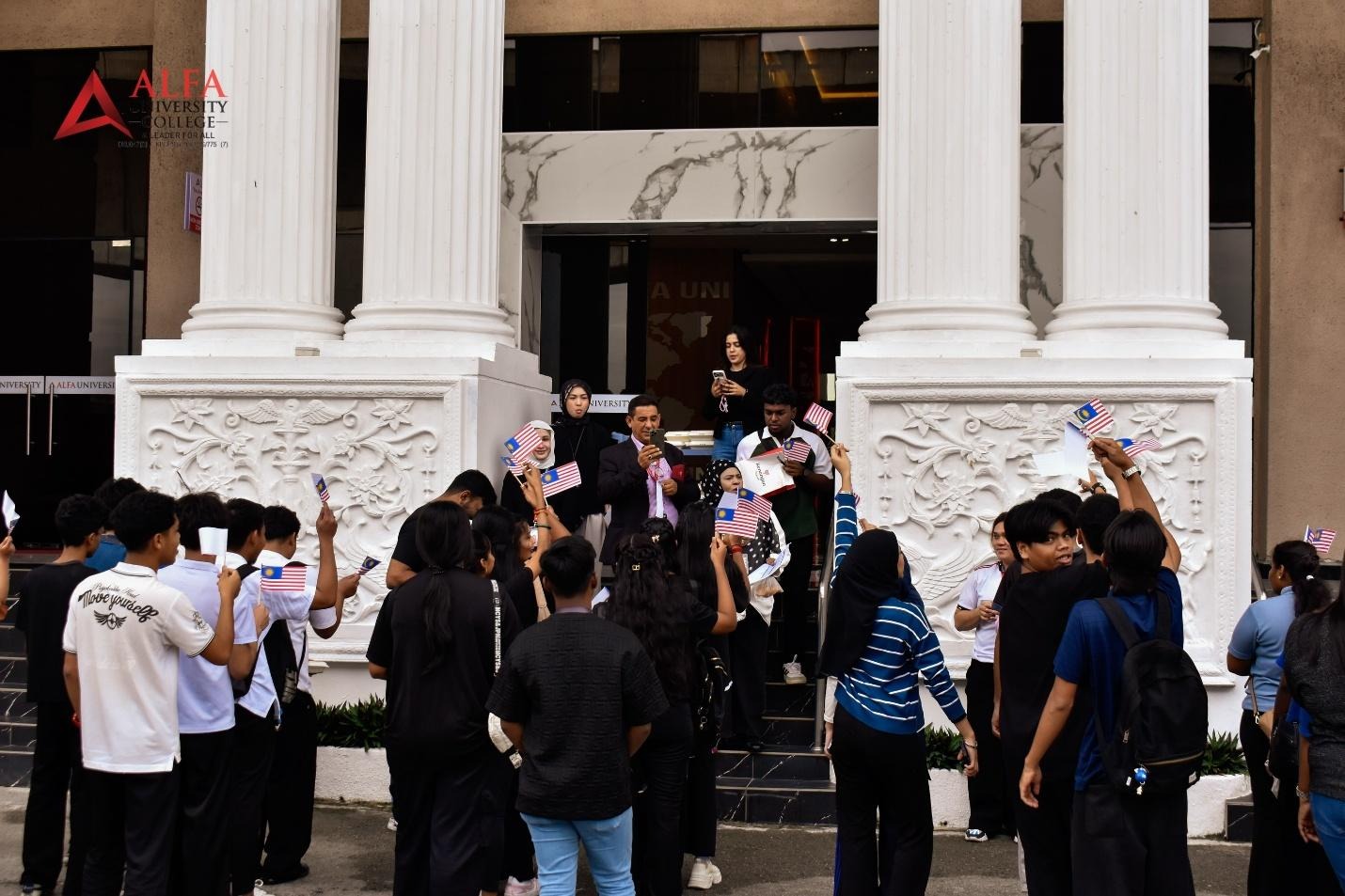
Collaboration with Schools, NGOs and Community Organisations
AUC recognises that sustainable community education requires collaboration between higher education institutions and organisations that work directly with local populations.
The College therefore engages with educational institutions, community organisations and non-governmental organisations to support knowledge sharing, capacity building and public educational activities.
These partnerships facilitate the development and delivery of learning resources, training materials, educational workshops and community awareness programmes.
Collaborative initiatives also help identify the educational needs of different population groups and provide opportunities to develop appropriate learning interventions.
Through its partnerships, AUC seeks to make educational resources more accessible to individuals who may face financial, technological or geographical barriers to conventional learning opportunities.
Such cooperation strengthens the relationship between the College and the wider community while promoting the shared objective of accessible and inclusive education.
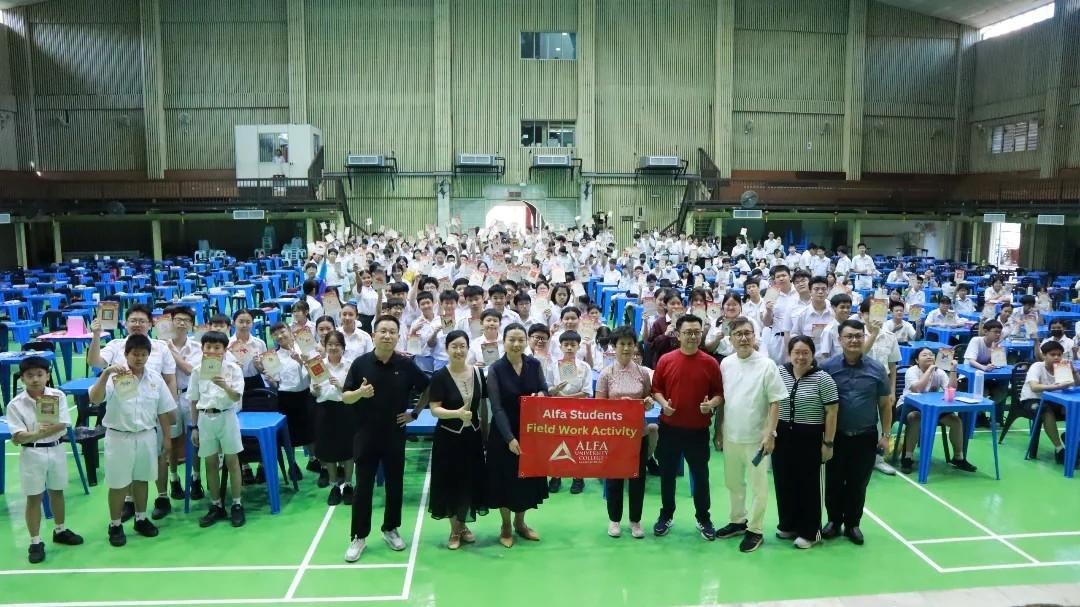
Lifelong Learning and Professional Skills Development
AUC believes that learning should continue throughout an individual’s lifetime and should not be limited to formal academic qualifications.
The College’s Lifelong Learning and Continuing Education initiatives provide opportunities for members of the public to acquire new knowledge, update existing skills and respond to changing professional and technological demands.
These learning opportunities are relevant to working professionals seeking career development, unemployed individuals interested in improving their employability, entrepreneurs requiring additional business knowledge and older adults seeking personal enrichment.
Through short courses, workshops, webinars and community learning activities, AUC promotes continuous education as a means of improving personal capability, professional competence and social participation.
The College also encourages participants to pursue learning according to their individual interests, educational needs and professional aspirations.
This approach reinforces the importance of lifelong education in supporting sustainable livelihoods, personal empowerment and community development.

Monitoring Community Access and Educational Impact
AUC recognises the importance of evaluating the accessibility and effectiveness of its educational resources for non-enrolled learners.
The College’s community engagement approach encourages the monitoring of participation in public educational activities, utilisation of available learning facilities and feedback from community stakeholders.
Relevant measures include the number of external participants attending public lectures, enrolment in open courses, participation in digital literacy training and community use of designated educational facilities.
Feedback from participants and community organisations can also inform improvements to programme content, resource accessibility and future educational activities.
Through systematic documentation and continuous evaluation, AUC seeks to strengthen the relevance and sustainability of its educational outreach initiatives.
These efforts contribute to the College’s broader objective of ensuring that institutional knowledge and academic resources generate meaningful benefits for society.

Advancing the Sustainable Development Goals Through Open Access to Education
AUC’s commitment to making educational resources available beyond its enrolled student population contributes directly to the advancement of inclusive and equitable quality education.
By improving community access to computers, libraries, online learning, public lectures and educational resources, the College promotes opportunities for individuals to acquire knowledge and develop skills regardless of their formal academic status.
These initiatives also support wider development objectives by strengthening digital inclusion, improving employability, encouraging entrepreneurship and creating pathways for personal and professional advancement.
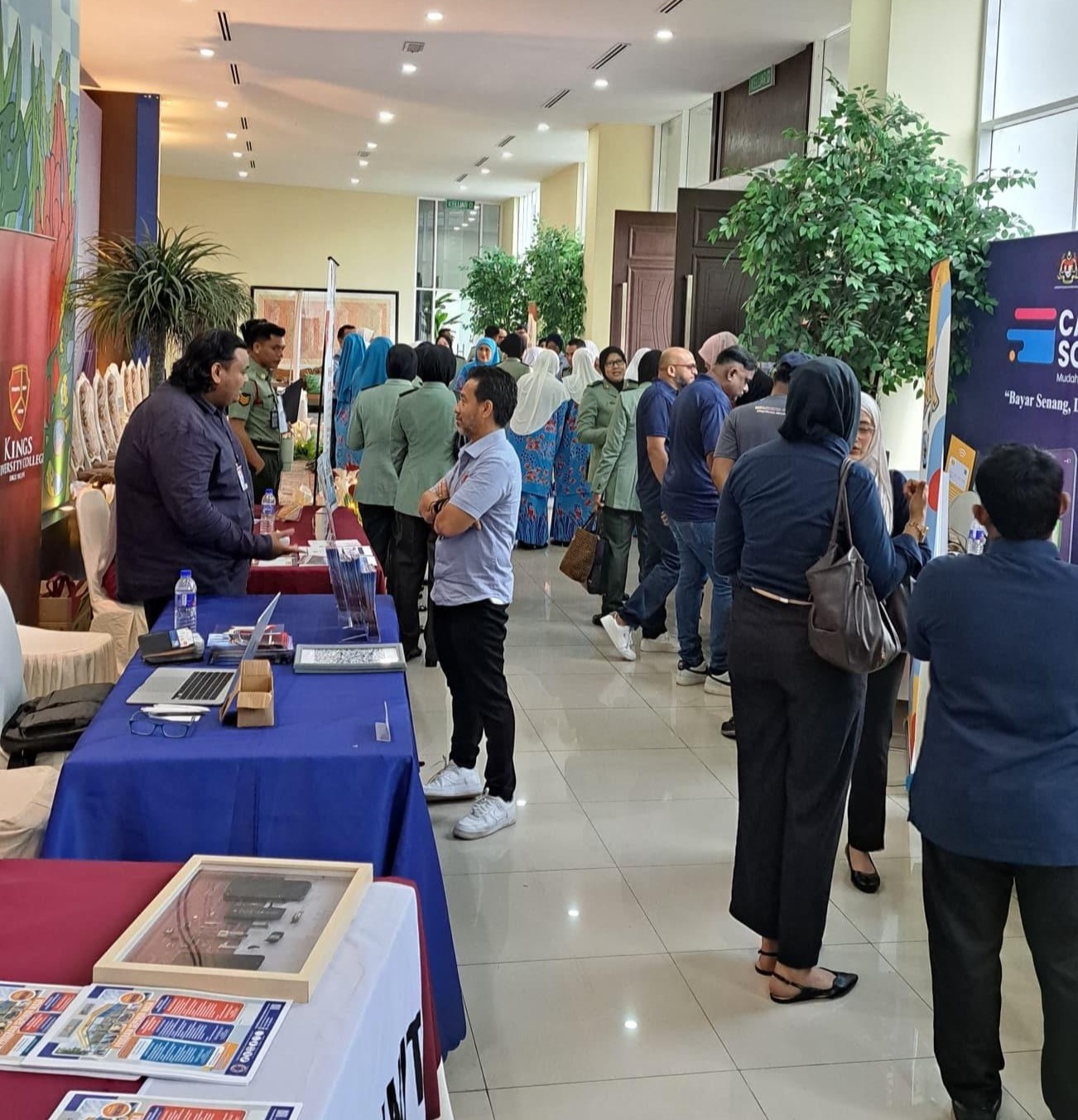
The College recognises that educational inclusion can contribute to reducing poverty and inequality by providing individuals with knowledge and competencies that support economic participation and improved livelihoods.
Through its commitment to open learning and community engagement, AUC reinforces the role of higher education institutions as centres for knowledge creation, public education and sustainable societal development.
At Alfa University College, we believe that knowledge should have no boundaries and that opportunities for learning should extend to everyone, regardless of formal university enrolment.
Expanding Access to Knowledge: Alfa University College’s Commitment to Educational Resources for the Wider Community
At Alfa University College (AUC), Malaysia, we believe that education should not be confined to the boundaries of our classrooms. True learning extends beyond campus walls — empowering individuals, uplifting communities, and fostering lifelong growth. Guided by this philosophy, AUC is deeply committed to providing access to educational resources for individuals who are not currently enrolled as students of the university.
Opening Doors to Knowledge for All
In alignment with Malaysia’s national education goals and the United Nations Sustainable Development Goal (SDG 4: Quality Education), AUC actively works to make quality learning accessible to everyone particularly those from low-income, rural, or underserved backgrounds.
Our initiatives include:
Community Access to Learning Facilities
AUC opens its library and computer laboratories to members of the local community, allowing individuals to make use of computers, internet services, and study spaces. These facilities serve as valuable hubs for research, digital learning, and skill development.


Free and Subsidized Online Courses
Through its Lifelong Learning and Continuing Education programmes, AUC offers online courses, webinars, and workshops that are either free or heavily subsidized for the public. These courses cover essential areas such as digital literacy, entrepreneurship, communication skills, and technology innovation.


Access to Public Lectures and Educational Events
AUC frequently organizes open lectures, seminars, and guest speaker sessions that are accessible to the wider community. These sessions encourage community members to engage with thought leaders, researchers, and professionals across diverse fields of study.

Knowledge Sharing Partnerships
The university collaborates with local schools, NGOs, and community centers to bring learning resources and digital tools closer to those who need them most. This includes mobile digital learning labs and outreach programmes designed to improve computer literacy and access to educational technologies.


Open Educational Resources (OER)
AUC is developing a repository of open educational materials, including lecture notes, e-books, and recorded lectures, which can be freely accessed by learners worldwide. This initiative supports inclusive and equitable access to education for individuals who are eager to learn but may not have the means to enroll formally.


By extending its educational resources beyond enrolled students, Alfa University College reaffirms its role as a catalyst for community development and lifelong learning. The university’s mission is to bridge the knowledge gap, empower individuals through education, and foster a culture where learning is accessible to everyone regardless of background or circumstance.