Alfa University College (AUC), Malaysia, is committed to ensuring that every student acquires meaningful knowledge, practical competencies and a strong sense of social responsibility concerning the United Nations Sustainable Development Goals (SDGs), regardless of their academic discipline, programme of study or educational background.
Recognising that sustainable development is a shared global responsibility, AUC adopts a comprehensive institutional approach to integrating sustainability education into teaching, learning, research, innovation, student development and community engagement.
AUC promotes a university-wide educational framework that enables students to understand global challenges and contribute to solutions addressing poverty, inequality, climate change, environmental protection, public health and sustainable economic development.
Through sustainability-focused curricula, interdisciplinary education, practical learning experiences, research projects, public lectures, workshops, student volunteering and campus sustainability initiatives, AUC seeks to ensure that the SDGs are relevant and applicable to students across all academic programmes.
This commitment reflects the College’s belief that higher education must prepare graduates not only for professional achievement but also for responsible citizenship, ethical leadership and meaningful contributions to sustainable societal development.

University-Wide Integration of the Sustainable Development Goals into Academic Curricula
AUC recognises that meaningful education for sustainable development must be incorporated into the academic experience of students across different disciplines.
The College therefore promotes the integration of SDG-related knowledge, values and competencies into undergraduate and postgraduate teaching and learning activities.
Rather than limiting sustainability education to specialised environmental or development-related subjects, AUC encourages academic programmes to incorporate relevant sustainability themes within their existing disciplinary contexts.
These themes include poverty reduction, social inclusion, gender equality, environmental responsibility, ethical governance, sustainable economic growth and technological innovation.
Through curriculum integration, students are encouraged to recognise how their professional fields influence society and how disciplinary knowledge can contribute to addressing sustainability challenges.
The College’s approach seeks to ensure that sustainability education is not treated as an isolated academic topic but as an important dimension of professional preparation and responsible decision-making.
By embedding SDG concepts across academic programmes, AUC promotes a shared understanding of sustainable development throughout its student community.

Making SDG Education Relevant to Every Field of Study
AUC acknowledges that students pursuing different academic disciplines require sustainability education that is relevant to their professional interests and future responsibilities.
The College therefore promotes discipline-specific approaches that connect the SDGs with practical challenges encountered in different sectors.
Business and Management Education
Students are encouraged to examine sustainable business models, responsible entrepreneurship, ethical corporate governance, financial inclusion and environmentally responsible business practices.
These areas support understanding of SDG 8 (Decent Work and Economic Growth), SDG 9 (Industry, Innovation and Infrastructure), and SDG 12 (Responsible Consumption and Production).
Information Technology and Computing
Students can explore the application of digital technologies, artificial intelligence, data analytics and information systems to sustainability challenges.
Relevant learning themes include digital inclusion, technological innovation, responsible data use and the development of technology-enabled solutions that improve community well-being.
Health-Related Education
Sustainability education highlights the relationship between public health, social inequalities, healthcare accessibility, disease prevention and community well-being.
Students are encouraged to appreciate the importance of professional responsibility and equitable healthcare-related practices in advancing SDG 3 (Good Health and Well-being).
Design, Built Environment and Creative Disciplines
Students can examine sustainable design, resource efficiency, environmental responsibility, accessible environments and the relationship between design decisions and community well-being.
Other Academic and Professional Disciplines
Students are encouraged to identify how their fields contribute to ethical practice, social inclusion, environmental sustainability, responsible leadership and sustainable development.
Through this multidisciplinary approach, AUC seeks to ensure that students understand the relevance of the SDGs to their future professions, regardless of their programme of study.
Promoting Understanding of All 17 Sustainable Development Goals
AUC recognises that a comprehensive sustainability education should introduce students to the interconnected nature of all 17 United Nations Sustainable Development Goals.
The College promotes educational opportunities that encourage awareness of the social, economic and environmental dimensions of sustainable development.
Students are encouraged to examine the relationships between poverty, food security, health, education, gender equality, clean water, sustainable energy, economic opportunity, innovation, inequality, sustainable cities, responsible consumption, climate action, biodiversity, governance and international cooperation.
Through lectures, learning activities and interdisciplinary discussions, students can develop a broader understanding of how progress towards one SDG may influence outcomes associated with other goals.
For example, improving access to quality education can strengthen employment opportunities, promote gender equality, support poverty reduction and improve community resilience.
Similarly, technological innovation can contribute to improved healthcare, efficient resource management and more accessible educational services.
By promoting an integrated understanding of the SDGs, AUC encourages students to approach sustainability challenges through critical thinking, systems-based reasoning and responsible decision-making.
Experiential Learning and Practical Application of SDG Knowledge
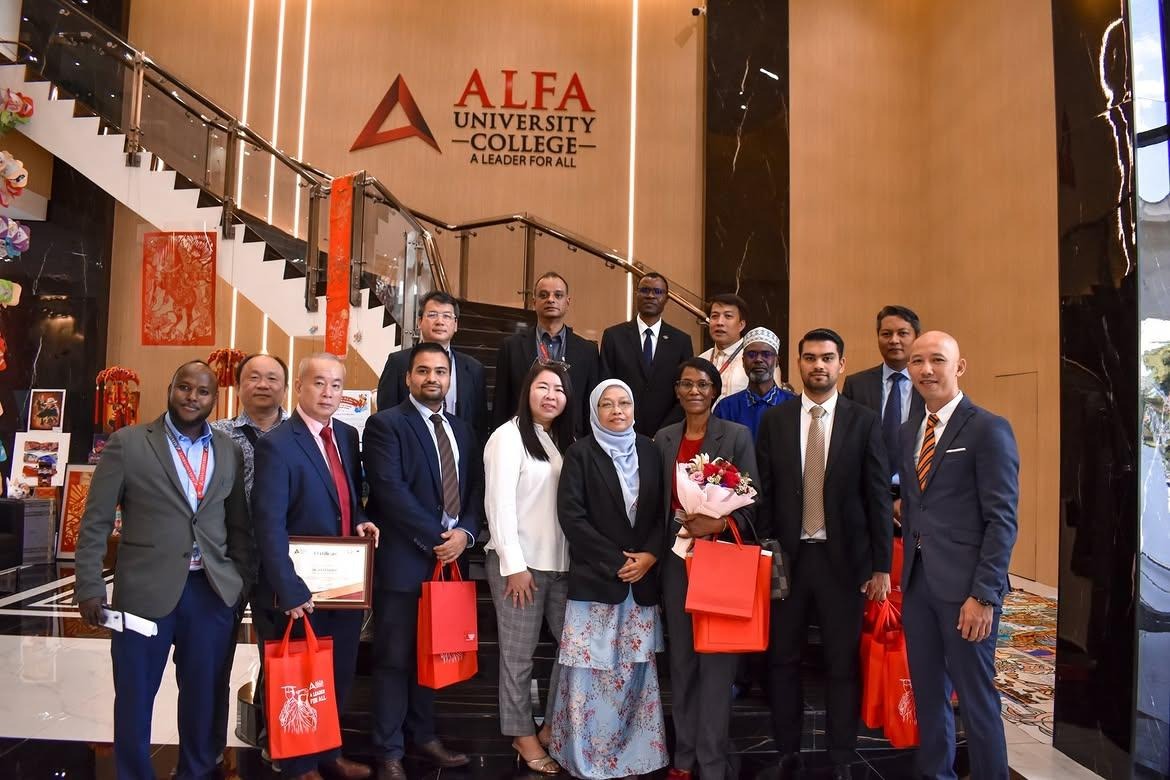
AUC believes that meaningful sustainability education requires opportunities for students to apply classroom knowledge to practical situations.
The College therefore promotes experiential learning approaches that connect academic concepts with real-world environmental, economic and social challenges.
These approaches include problem-based learning, case studies, collaborative assignments, practical demonstrations, community engagement and project-based activities.
Students are encouraged to examine relevant sustainability problems, identify contributing factors and explore possible solutions using knowledge acquired through their academic programmes.
For example, learning activities may involve examining environmental challenges affecting local communities, exploring sustainable business practices or evaluating opportunities to improve access to digital educational resources.
Through experiential learning, students can strengthen analytical thinking, communication, teamwork, innovation and problem-solving competencies.
AUC recognises that practical engagement helps students understand the relevance of sustainability principles and encourages them to apply responsible practices in their future professional and personal lives.

Student Research and Innovation Addressing SDG Challenges
AUC promotes student participation in research and innovation activities that address challenges associated with the Sustainable Development Goals.
The College encourages undergraduate and postgraduate students to consider sustainability-related issues when developing research proposals, academic projects and innovative solutions.
Potential research themes include educational inequality, digital inclusion, community health, environmental sustainability, sustainable entrepreneurship, responsible resource management and technological innovation.
Students are encouraged to apply appropriate research methodologies, collect and analyse relevant information, and examine practical approaches to addressing identified problems.
Through academic supervision and engagement with research-oriented activities, students can develop a stronger understanding of the importance of evidence-based solutions.
AUC also recognises the value of interdisciplinary research in addressing complex challenges that cannot be adequately understood through a single academic perspective.
By encouraging research and innovation aligned with the SDGs, the College seeks to develop students’ capacity to generate knowledge and contribute to sustainable development within their respective fields.
Community Service Learning and Student Volunteering
AUC recognises that sustainable development education should extend beyond academic instruction to include meaningful engagement with communities.
Through service learning and voluntary community activities, the College encourages students to participate in initiatives addressing educational needs, social inclusion, health awareness, poverty reduction and environmental sustainability.
These activities provide opportunities for students to apply academic knowledge while developing an understanding of the challenges experienced by different communities.
AUC’s published institutional initiatives include collaboration with non-governmental organisations and community partners on educational outreach, environmental awareness, public health education and community development.
Student volunteers can contribute through educational workshops, awareness campaigns, practical demonstrations, mentoring and other appropriate community activities.
Participation strengthens professional competencies while encouraging empathy, ethical responsibility and active citizenship.
By connecting classroom learning with community service, AUC seeks to help students recognise their capacity to contribute positively to society.

SDG Awareness Programmes, Seminars and Educational Workshops
AUC recognises the importance of creating opportunities for students to engage with sustainability issues beyond their scheduled academic subjects.
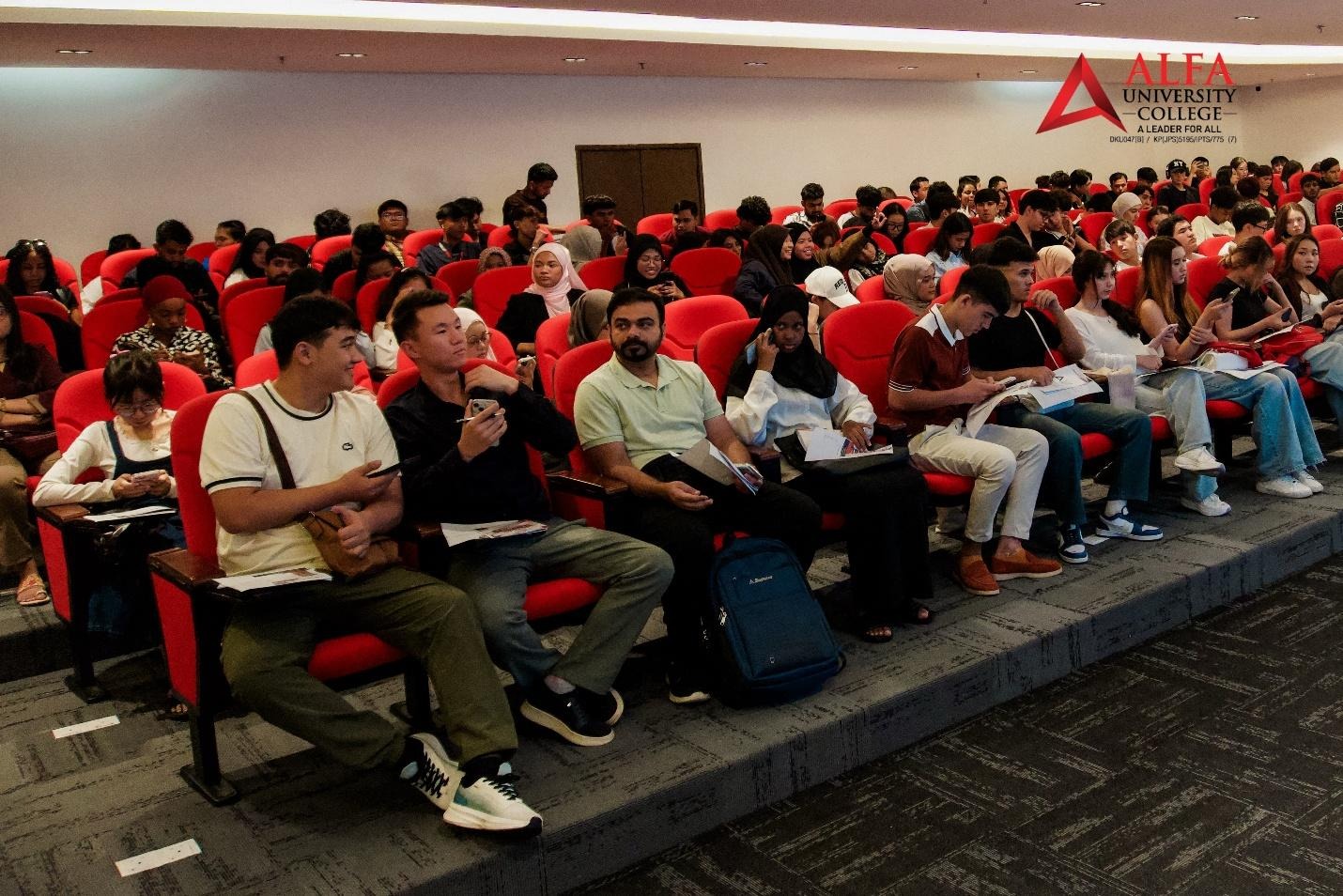
The College therefore promotes seminars, public lectures, educational workshops and awareness programmes addressing the Sustainable Development Goals.
These activities provide platforms for academic experts, researchers, industry professionals and community stakeholders to share knowledge concerning contemporary development challenges.
Relevant themes include environmental sustainability, climate change, social responsibility, gender equality, technological innovation, poverty reduction and sustainable economic development.
Through educational discussions and interactive learning activities, students are encouraged to examine sustainability issues from different disciplinary perspectives.
Participation also provides opportunities to strengthen communication skills, develop informed opinions and engage in constructive dialogue.
By organising campus-wide educational activities, AUC promotes a shared institutional culture in which sustainability awareness extends across academic programmes and student groups.

Interdisciplinary Collaboration and Knowledge Exchange
AUC recognises that achieving the Sustainable Development Goals requires collaboration among professionals and institutions with different areas of expertise.
The College therefore promotes interdisciplinary learning opportunities that enable students to examine sustainability challenges beyond the boundaries of their individual academic disciplines.
Collaborative discussions, group projects, research activities and student engagement programmes provide opportunities for learners to exchange ideas and consider different approaches to common problems.
For example, addressing community digital exclusion may require knowledge of information technology, education, business management and social inclusion.
Similarly, promoting sustainable entrepreneurship may involve considerations relating to financial management, environmental responsibility, technological innovation and community development.
Through interdisciplinary engagement, AUC seeks to strengthen students’ ability to appreciate different professional perspectives and collaborate effectively with individuals from diverse backgrounds.
This approach contributes to the development of graduates equipped to participate in multidisciplinary teams and complex professional environments.
Campus Sustainability Initiatives as Practical Learning Opportunities
AUC believes that the university environment itself can provide meaningful opportunities for sustainability education.
The College promotes a whole-of-campus approach that encourages students, academic staff and administrative personnel to participate in sustainability-related activities and responsible institutional practices.
Campus sustainability initiatives provide opportunities to raise awareness of resource conservation, waste reduction, recycling, responsible consumption and environmental protection.
Students are encouraged to recognise how individual and collective decisions can influence the environmental performance of educational institutions.
Participation in campus activities can also strengthen understanding of the practical challenges involved in implementing sustainability measures.
Through awareness initiatives and collaborative institutional engagement, AUC seeks to connect sustainability education with everyday campus experiences.
The College’s approach reinforces the principle that sustainable development should be reflected not only in academic discussions but also in institutional values, decisions and practices.

Student Leadership and Sustainability Advocacy
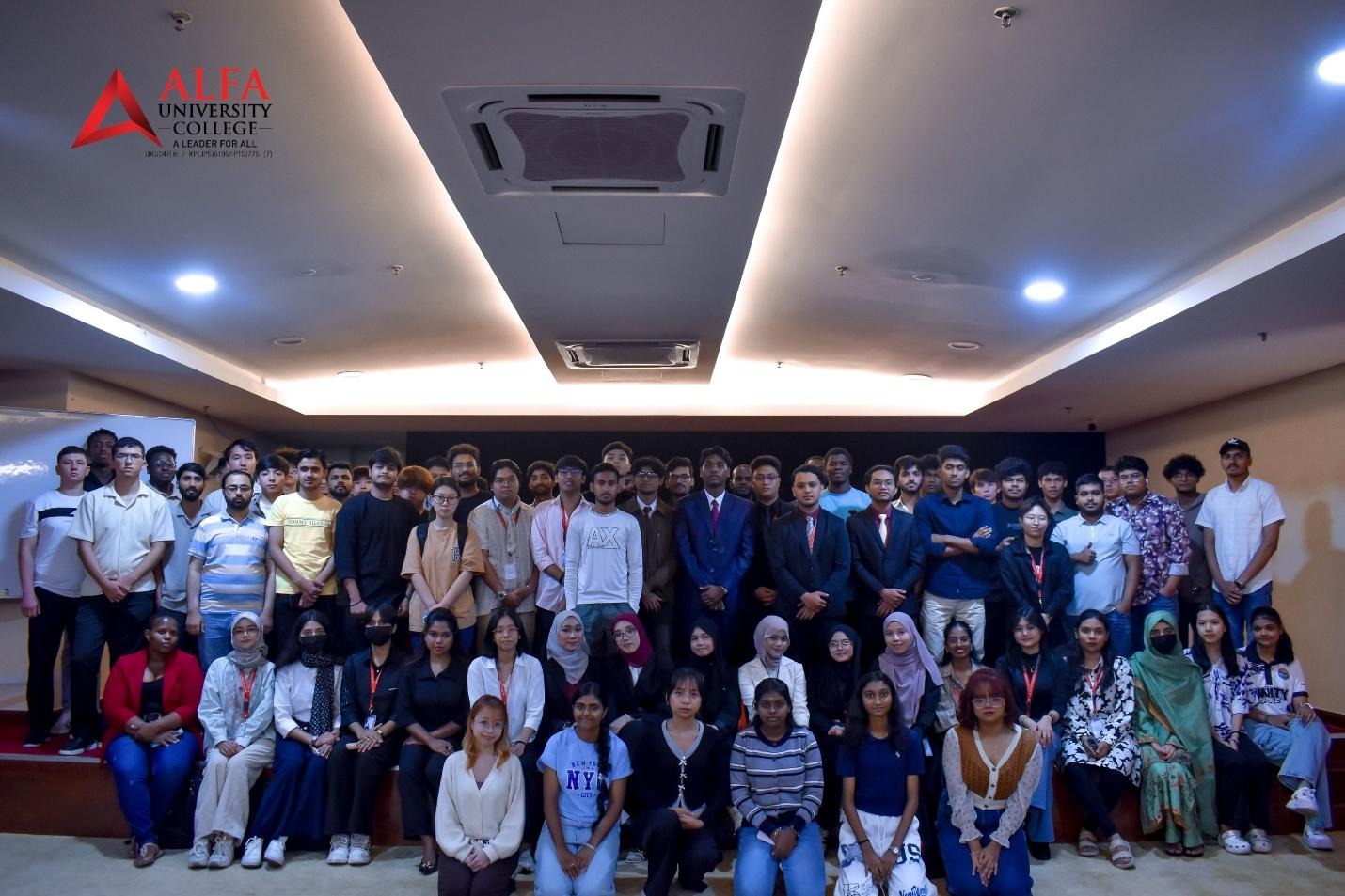
AUC recognises the important role of student leadership in promoting awareness, participation and responsible action concerning the Sustainable Development Goals.
The College encourages students to contribute to sustainability-related activities through student organisations, volunteering initiatives, educational campaigns and collaborative events.
Such participation provides opportunities for students to develop organisational, communication and leadership competencies while engaging with important societal challenges.
Student-led awareness activities can address environmental protection, inclusive education, responsible consumption, health awareness and community service.
The College also recognises that students can contribute innovative perspectives to institutional sustainability discussions and community development initiatives.
By encouraging student participation and leadership, AUC seeks to develop graduates who are prepared to demonstrate initiative, collaborate with others and contribute constructively to sustainable development.
Industry Engagement and Professional Sustainability Education
AUC recognises that graduates must be prepared to understand the sustainability responsibilities associated with modern professional practice.
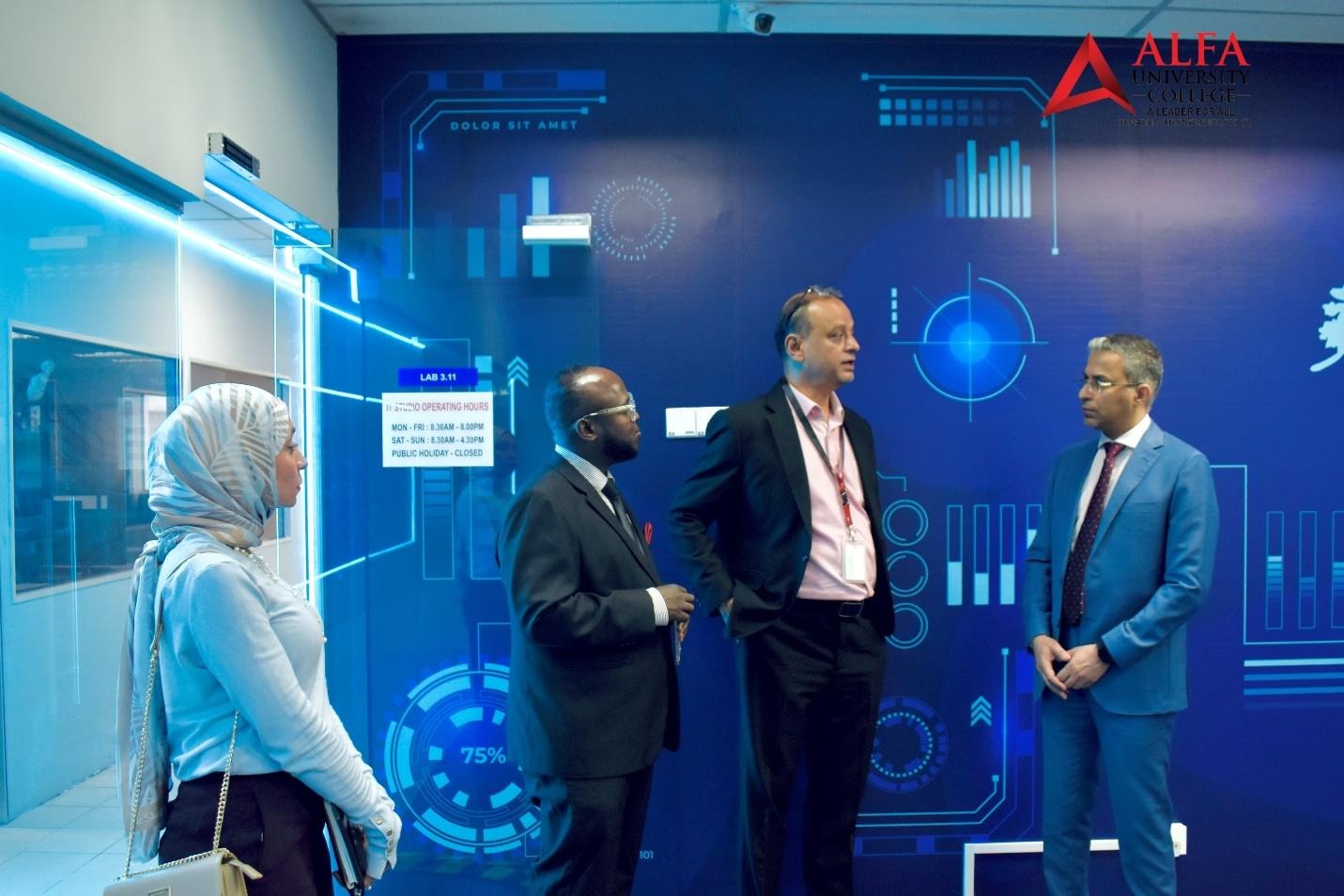
The College therefore promotes engagement with industry professionals and external stakeholders who can provide practical perspectives on responsible business operations, environmental management, technological innovation and ethical professional conduct.
Through guest lectures, professional seminars, collaborative activities and relevant learning opportunities, students can examine how sustainability principles are applied in professional settings.
These engagements encourage students to understand the relationship between organisational decisions and broader social, economic and environmental outcomes.
AUC also promotes awareness of emerging professional expectations concerning ethical governance, social responsibility, resource efficiency and sustainable innovation.
By connecting academic learning with professional experience, the College seeks to prepare students to contribute responsibly to their industries and workplaces.
Global Perspectives and International SDG Knowledge Exchange
AUC recognises that sustainable development challenges are global in nature and that students benefit from exposure to international experiences and diverse perspectives.
The College’s international partnerships and academic engagement activities provide opportunities to promote knowledge exchange concerning sustainability practices and approaches adopted in different countries.
Through collaborative academic activities, international guest lectures, research engagement and online educational resources, students are encouraged to explore how sustainable development priorities vary across different geographical and socioeconomic contexts.
These experiences strengthen intercultural understanding and encourage appreciation of the importance of international cooperation.
AUC also recognises the relevance of global knowledge exchange in developing solutions that can be adapted to local and regional challenges.
Through internationally oriented sustainability education, the College seeks to develop students who appreciate both their local responsibilities and their potential contributions to wider global development efforts.
Inclusive SDG Education for All Students
AUC recognises that sustainability education should be accessible and relevant to all students, irrespective of academic programme, educational level, gender, ethnicity, nationality, disability or socioeconomic background.
The College’s institutional approach emphasises equitable opportunities to participate in sustainability-related learning activities.
Through curriculum integration, public lectures, workshops, collaborative projects and community engagement, AUC seeks to ensure that students from different backgrounds can develop awareness of and practical competencies concerning the SDGs.
The College also promotes inclusive teaching approaches that recognise differences in students’ learning needs and educational experiences.
By making sustainability relevant across academic disciplines and accessible through different learning opportunities, AUC contributes to reducing disparities in participation in education for sustainable development.
This commitment reinforces the College’s belief that the responsibility to advance the SDGs belongs to every member of the academic community.

Strengthening Academic Staff Capacity for SDG Education
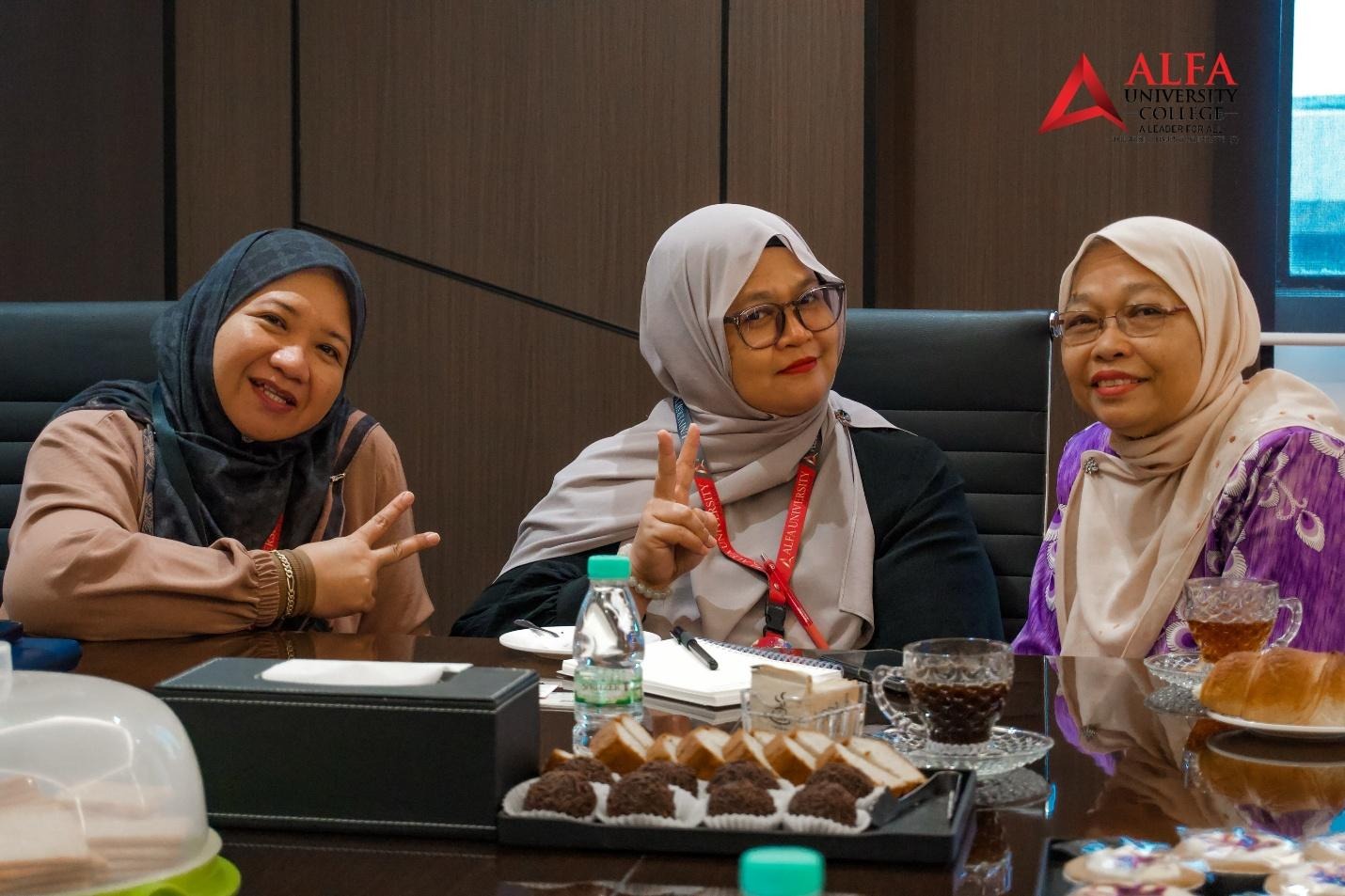
AUC recognises that effective sustainability education requires academic staff who understand the SDGs and can connect sustainability principles with their respective subjects.
The College therefore emphasises the importance of faculty engagement, professional development and interdisciplinary knowledge sharing in strengthening education for sustainable development.
Relevant academic development activities may include curriculum review, teaching workshops, collaborative lesson planning and the exchange of sustainability-related educational resources.
Lecturers are encouraged to identify appropriate opportunities to incorporate SDG themes into course content, classroom discussions, research activities and student assessments.
The College also promotes innovative teaching approaches that encourage critical thinking, active learning and practical problem-solving.
Through faculty development and academic collaboration, AUC seeks to strengthen the relevance and consistency of sustainability education across its programmes.
Developing Sustainability Competencies and Graduate Attributes
AUC recognises that education for sustainable development should contribute to the development of knowledge, practical skills and values that students can apply throughout their lives.
The College’s approach emphasises important graduate competencies such as critical thinking, ethical reasoning, collaborative problem-solving, environmental awareness, social responsibility and responsible leadership.

Through sustainability-related academic and extracurricular experiences, students are encouraged to understand the wider consequences of professional and personal decisions.
Relevant competencies include the ability to identify sustainability challenges, evaluate available evidence, consider different stakeholder perspectives and propose responsible solutions.
Students are also encouraged to appreciate the interconnected nature of economic prosperity, environmental protection and social well-being.
By strengthening these competencies, AUC seeks to prepare graduates who can contribute meaningfully to sustainable practices within their professions, communities and society.
At Alfa University College, we believe that meaningful education for sustainable development should not be limited to selected courses, academic disciplines or groups of students. It should form an integral part of the educational experience of every learner.