Alfa University College (AUC), Malaysia, is committed to developing environmentally responsible, socially conscious and professionally competent graduates through academic courses and educational programmes that directly address sustainability and the United Nations Sustainable Development Goals (SDGs).
Recognising that higher education plays a fundamental role in addressing global challenges such as climate change, environmental degradation, poverty, economic inequality and resource depletion, AUC integrates sustainability-focused learning into its academic offerings and institutional educational framework.
AUC offers dedicated sustainability-related subjects alongside interdisciplinary learning opportunities that prepare students to understand, evaluate and respond to contemporary development challenges.
AUC’s academic approach encompasses environmental management, sustainable architecture, responsible tourism, sustainable supply chains, green technologies, ethical innovation and socially responsible business practices.
Through specialised courses, applied research, practical assignments, industry collaboration and community engagement, the College seeks to ensure that sustainability education contributes meaningfully to students’ academic development and future professional practice.
Dedicated Sustainability Courses Across Academic Disciplines
AUC recognises that sustainability challenges require expertise from different academic and professional disciplines.
The College’s published sustainability education framework identifies specialised learning in environmental management, renewable energy, sustainable business practices, green technology and social innovation.
In addition, its publicly available academic programme structures identify specific courses that address sustainability principles and their application within professional fields.
These subjects enable students to examine the environmental, economic and social consequences of decisions made within their respective industries.
Through sustainability-focused education, AUC seeks to develop graduates capable of understanding complex development challenges and contributing practical solutions.
The College recognises that dedicated sustainability courses are important because they provide structured opportunities for students to develop specialised knowledge, critical thinking and responsible decision-making competencies.
By connecting sustainability principles with academic disciplines, AUC promotes professional education that responds to evolving environmental and societal priorities.
Sustainable and Green Architecture
AUC offers the dedicated subject Sustainable & Green Architecture within its Bachelor of Science (Honours) in Architecture programme.
The subject provides a structured opportunity for students to examine sustainability principles in architectural design and the built environment.
The academic area focuses on the importance of environmental responsibility, efficient resource utilisation and the relationship between buildings, people and their surroundings.
Key sustainability learning themes include energy-efficient design, environmentally responsible building materials, sustainable construction approaches, natural ventilation, passive design and the environmental impacts of buildings.
Students can explore how architectural decisions influence energy demand, resource consumption, environmental quality and long-term urban sustainability.
The subject also encourages consideration of practical approaches to creating buildings that are functional, resource-efficient and responsive to community needs.
By incorporating green architecture into professional education, AUC supports the development of future built-environment professionals who recognise the importance of environmentally responsible design.
Sustainable Tourism Management
AUC recognises that the tourism industry plays an important role in economic development but must be managed responsibly to minimise negative environmental and social impacts.
The College includes Sustainable Tourism Management as a dedicated subject within its Diploma in Tourism Management programme.
This subject provides students with opportunities to understand the relationship between tourism development, environmental conservation, local economic benefits and community well-being.
Relevant learning themes include responsible tourism practices, environmental protection, cultural heritage preservation, community participation and sustainable destination management.
Students are encouraged to understand how tourism activities can support local employment and entrepreneurship while protecting natural and cultural resources.
The subject also provides a foundation for examining the responsibilities of tourism operators, destination managers and other industry stakeholders in promoting sustainable practices.
Through sustainability-focused tourism education, AUC seeks to prepare graduates who understand the importance of balancing economic development with environmental protection and social responsibility.

Sustainability in Supply Chain Management
AUC recognises that supply chain activities significantly influence resource consumption, environmental performance, labour practices and organisational sustainability.
The College offers the dedicated subject Sustainability in Supply Chain within its Master in Supply Chain Management programme.
This subject provides postgraduate students with opportunities to examine the role of sustainability in procurement, logistics, operations and supply chain decision-making.
Relevant areas of learning include sustainable sourcing, responsible procurement, environmental considerations in logistics, resource efficiency and ethical supply chain management.
Students are encouraged to explore the relationship between operational efficiency and broader environmental and social responsibilities.
The subject also supports understanding of how businesses can incorporate sustainability considerations into supplier selection, production processes, distribution activities and long-term organisational strategies.
By developing expertise in sustainable supply chain practices, AUC prepares professionals to consider the wider impacts of business operations and contribute to more responsible organisational management.

Responsible Artificial Intelligence and Ethics
AUC recognises that technological innovation must be accompanied by ethical responsibility and consideration of its consequences for society.
The College includes Responsible Artificial Intelligence and Ethics within the curriculum of its Bachelor in Artificial Intelligence programme.
This subject addresses the responsible development and application of intelligent technologies, including the ethical considerations associated with automated systems and data-driven decision-making.
Relevant learning themes include fairness, transparency, accountability, privacy, ethical technology design and the social implications of artificial intelligence.
Students are encouraged to consider how technological systems can support human well-being while avoiding harmful or discriminatory outcomes.
The subject provides an opportunity to examine the relationship between innovation, responsible governance and sustainable societal development.
By incorporating ethical considerations into artificial intelligence education, AUC seeks to develop technology professionals who recognise their responsibility to design and implement systems that serve society effectively and responsibly.

Environmental Management and Green Technology Education
AUC recognises the importance of environmental education in preparing graduates to respond to climate change, pollution, resource depletion and other ecological challenges.
The College’s published sustainability education framework identifies environmental management, renewable energy and green technology as important areas of specialised learning.
These thematic areas encourage students to understand the relationship between human activities, economic development and the natural environment.
Relevant educational topics include environmental protection, energy efficiency, waste reduction, sustainable resource management and the role of technological innovation in addressing environmental challenges.
Students are encouraged to examine how scientific knowledge, technological approaches and organisational practices can contribute to more sustainable development.
Through these educational priorities, AUC seeks to strengthen environmental awareness and develop competencies relevant to sustainability-related professional activities.
Sustainable Business Practices and Responsible Entrepreneurship
AUC recognises that businesses have an important responsibility to balance financial performance with environmental protection, ethical governance and social well-being.
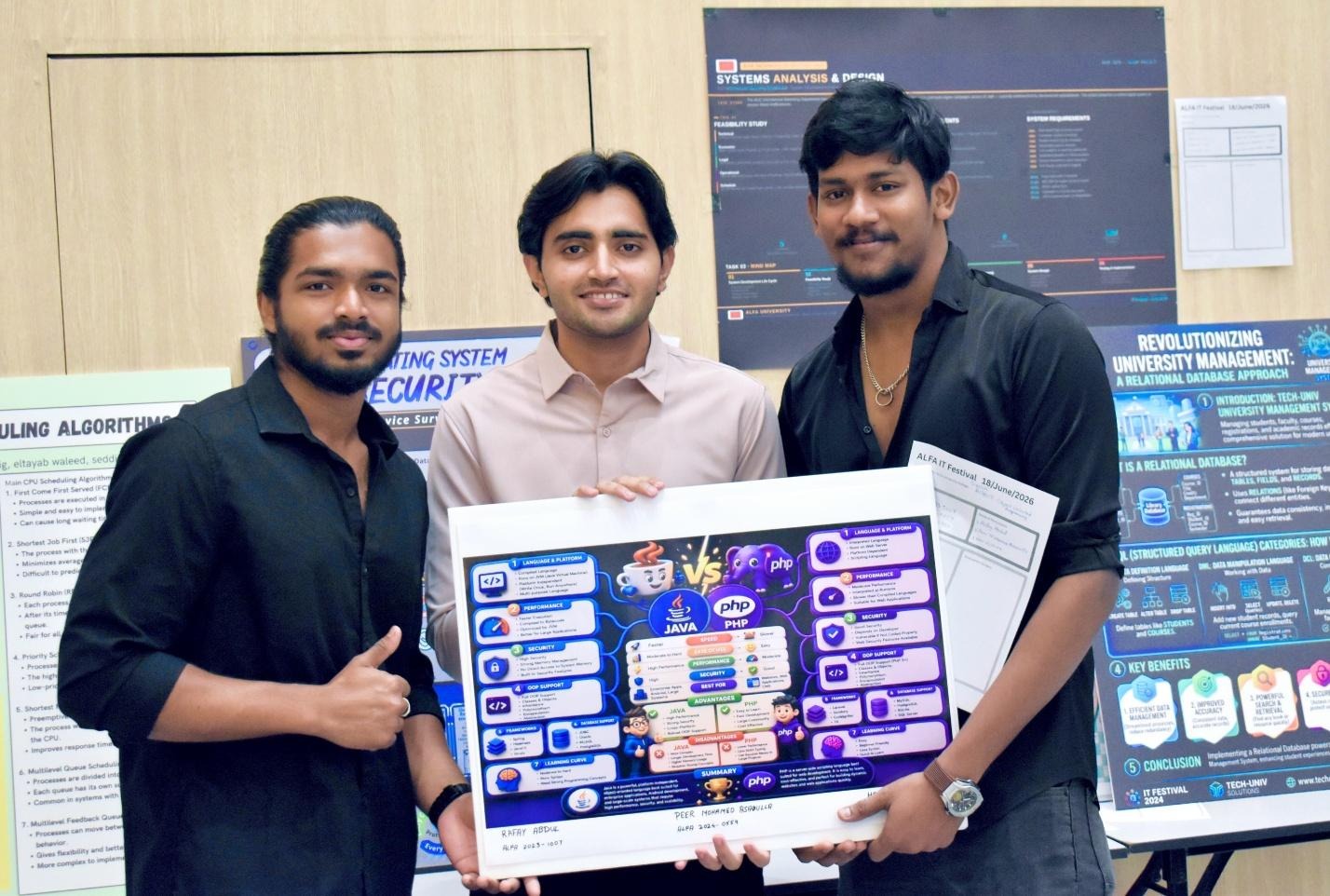
The College’s sustainability-focused educational approach includes learning related to sustainable business practices, social innovation and responsible entrepreneurship.
These areas are supported by business and management education that encourages students to understand contemporary organisational challenges and the importance of responsible decision-making.
Students are encouraged to explore concepts such as business ethics, corporate social responsibility, sustainable business models, responsible resource management and the social consequences of commercial activities.
Sustainability education also promotes awareness of the opportunities associated with businesses that address environmental and community needs.
Through these learning opportunities, AUC seeks to develop graduates who recognise that responsible enterprise development can contribute to economic growth while supporting the well-being of people and the environment.

Integration of SDG Themes into Undergraduate and Postgraduate Education
Beyond dedicated sustainability subjects, AUC promotes the integration of sustainable development principles into its wider academic curricula.
The College recognises that students from different disciplines should understand how their fields contribute to addressing global sustainability challenges.
Accordingly, sustainability-related themes are incorporated into relevant learning activities, assignments, research projects and discussions across academic programmes.
For example, students in business and management can examine corporate responsibility and sustainable operations, while students in technology-related fields can explore digital inclusion and responsible innovation.
Students in architecture and design can consider resource efficiency and environmental impacts, while those studying hospitality and tourism can examine responsible destination management.
Through this approach, AUC seeks to ensure that sustainability education remains meaningful and relevant to different professional contexts.
The integration of SDG topics across curricula complements dedicated sustainability courses and reinforces the College’s commitment to institution-wide education for sustainable development.
Research and Project-Based Learning for Sustainable Solutions
AUC believes that sustainability education should develop students’ ability to apply academic knowledge to practical development challenges.
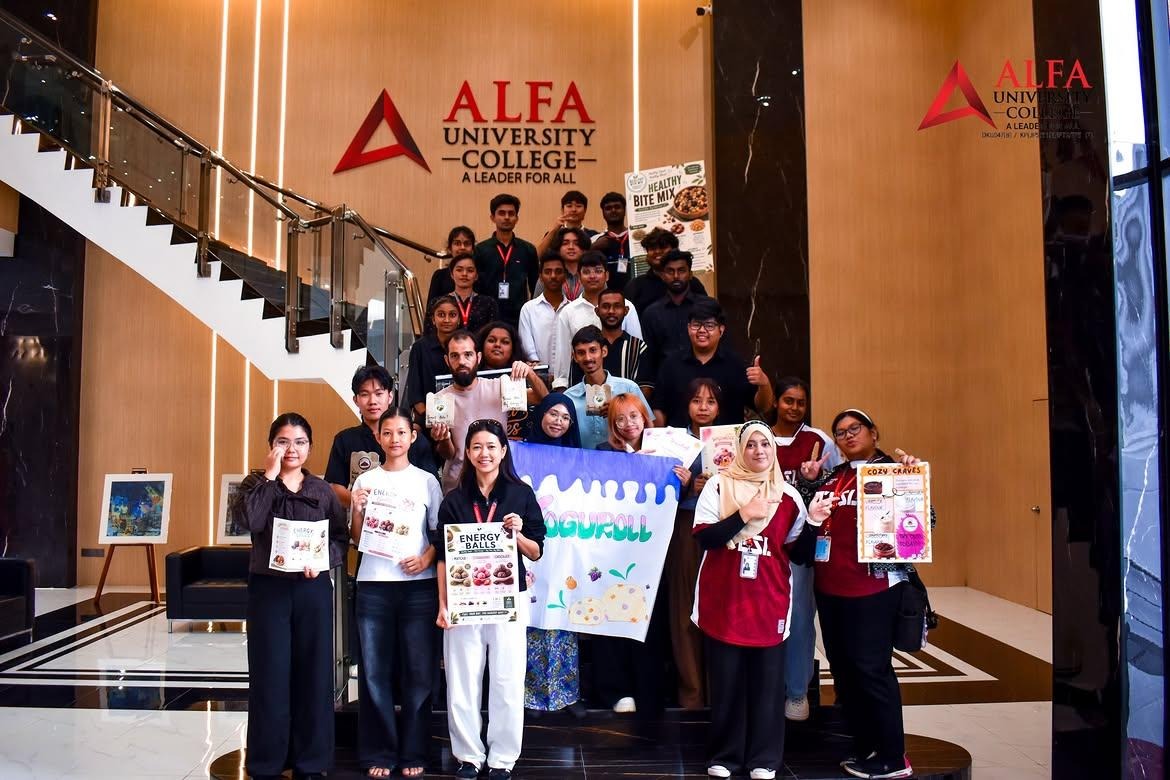
The College therefore promotes research and project-based learning activities that encourage students to investigate sustainability-related problems and develop evidence-informed solutions.
These activities include academic research projects, practical assignments, case studies and innovation challenges addressing environmental, social and economic issues.
Students are encouraged to identify relevant problems, examine available evidence and evaluate possible approaches to sustainable development.
Research themes may address resource efficiency, social inclusion, environmental protection, sustainable business operations, technological innovation and community development.
Through project-based learning, students develop research competencies, analytical reasoning, teamwork and professional problem-solving skills.
AUC recognises that these competencies are important for preparing graduates to contribute effectively to sustainability initiatives in their future workplaces and communities.

Industry Collaboration and Practical Sustainability Education
AUC recognises that practical engagement with industry and professional organisations strengthens the relevance of sustainability education.
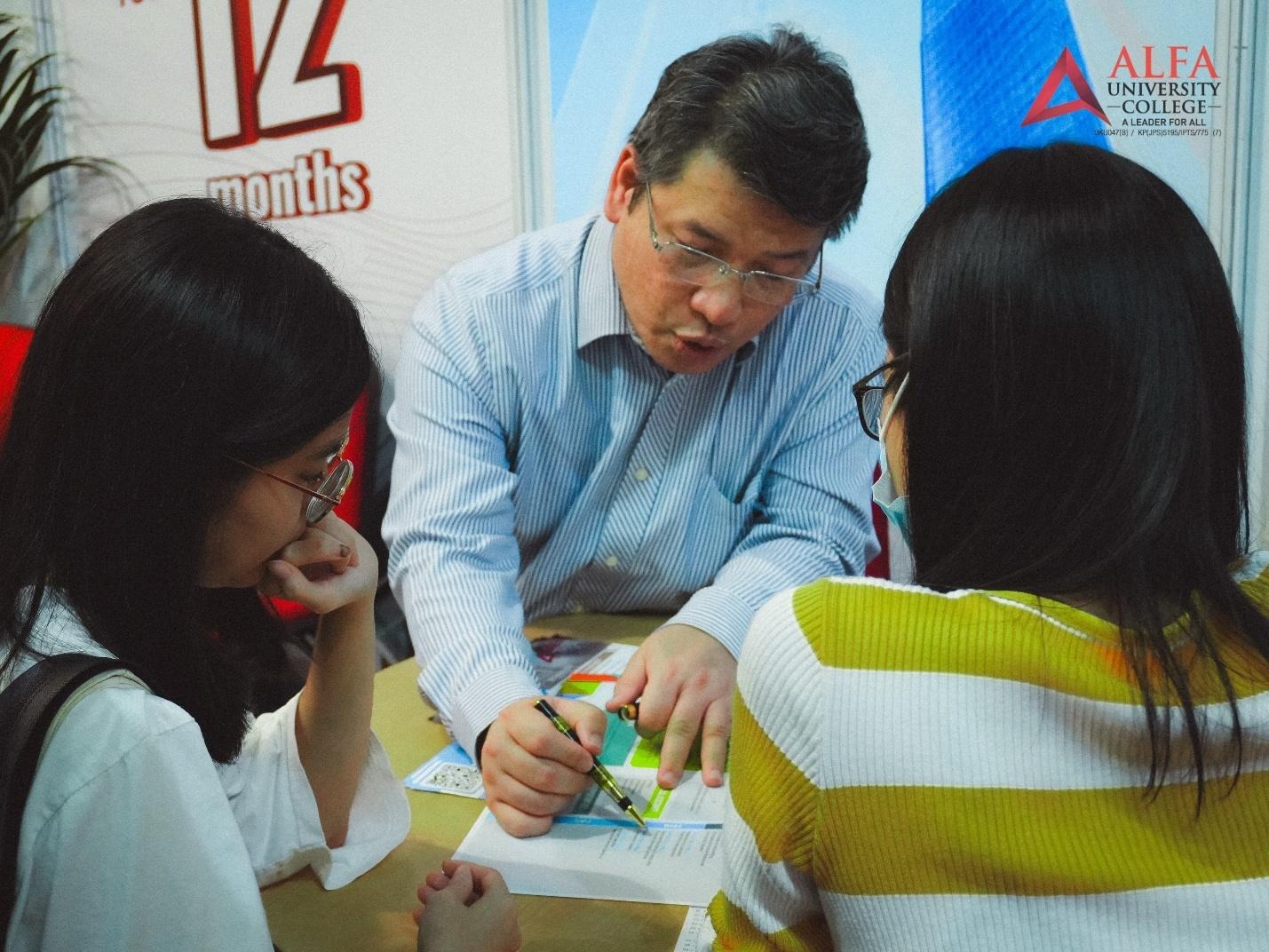
The College’s published sustainability initiatives include collaboration with industry experts, government agencies and NGOs to connect academic learning with professional practice.
These engagements create opportunities for students to examine real-world approaches to environmental management, responsible business operations and sustainable innovation.
Industry collaboration also helps students understand the practical requirements, challenges and opportunities associated with implementing sustainability strategies.
Through guest lectures, collaborative projects, case studies and relevant professional activities, students can benefit from the experience of practitioners working in different sectors.
AUC seeks to strengthen the connection between sustainability-related academic knowledge and its practical application within organisations and communities.
Community Engagement and Service Learning
AUC recognises that sustainability education should encourage students to understand the needs of society and contribute positively to community development.
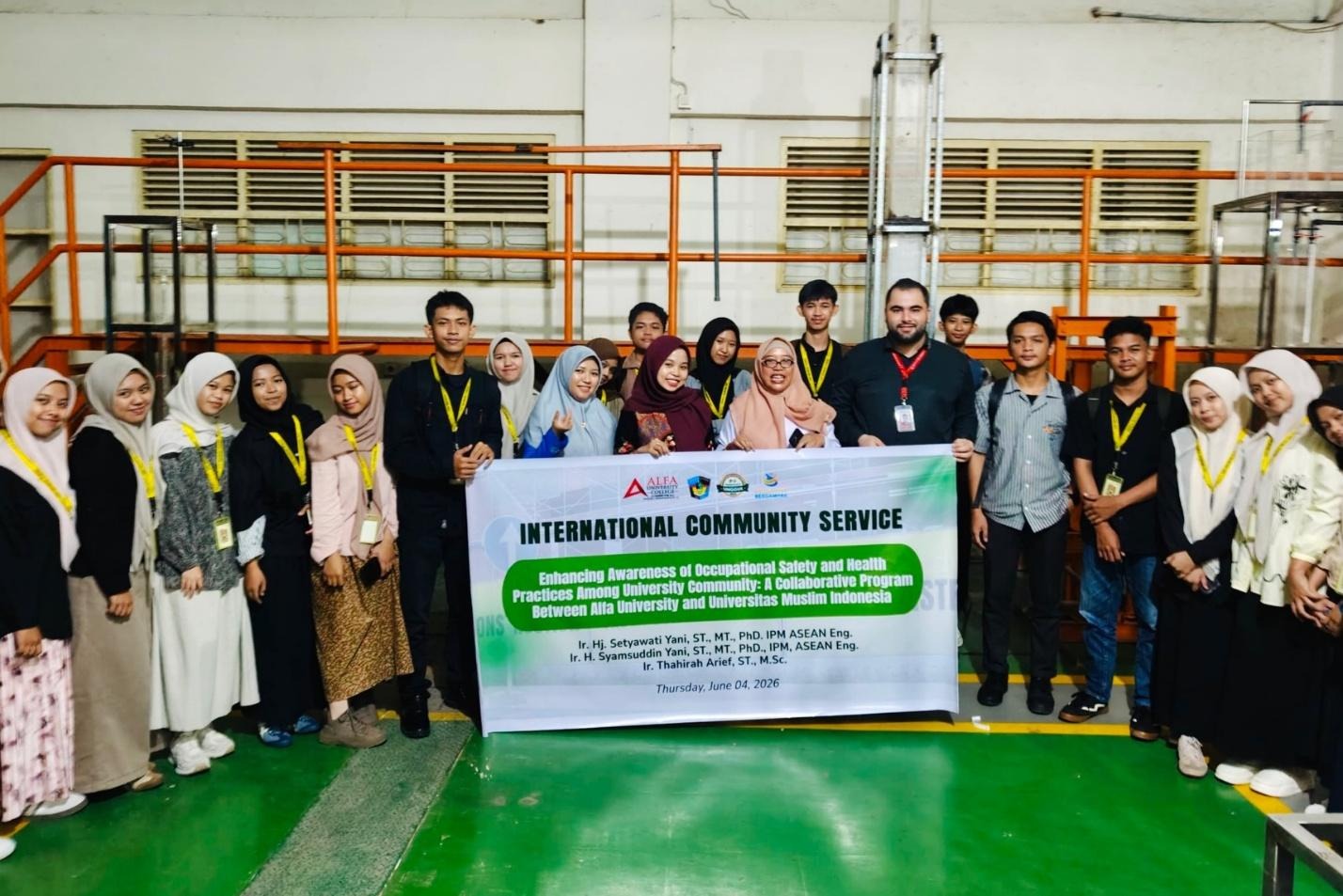
The College therefore promotes service learning and community engagement activities that enable students to apply relevant knowledge beyond the classroom.
These activities include educational outreach, community awareness programmes, environmental initiatives and collaboration with NGOs and other community organisations.
Through participation, students gain opportunities to understand the social and environmental challenges experienced by different communities.
Students are also encouraged to recognise the importance of inclusive development, public participation and responsible professional conduct.
By integrating community engagement with academic learning, AUC strengthens students’ understanding of the relationship between sustainability education and practical societal needs.
These experiences contribute to developing graduates who are socially aware and prepared to participate constructively in sustainable development initiatives.

International Learning and Global Sustainability Perspectives
AUC recognises that sustainable development challenges are global in nature and that effective responses benefit from international knowledge exchange.
Through its published international academic engagement initiatives, the College promotes opportunities for students and academic staff to explore sustainability practices adopted in different countries.
These opportunities include international collaboration, academic knowledge-sharing activities, guest lectures and online learning resources.
Students are encouraged to examine global sustainability frameworks, explore different approaches to environmental and social challenges, and appreciate the importance of international cooperation.
Such exposure helps learners understand that sustainability strategies must respond to different economic, cultural and geographical circumstances.
Through international perspectives, AUC seeks to strengthen global awareness and encourage informed approaches to sustainable development.
Lifelong Learning and Professional Development in Sustainability
AUC believes that education for sustainable development should not be limited to students pursuing formal academic qualifications.
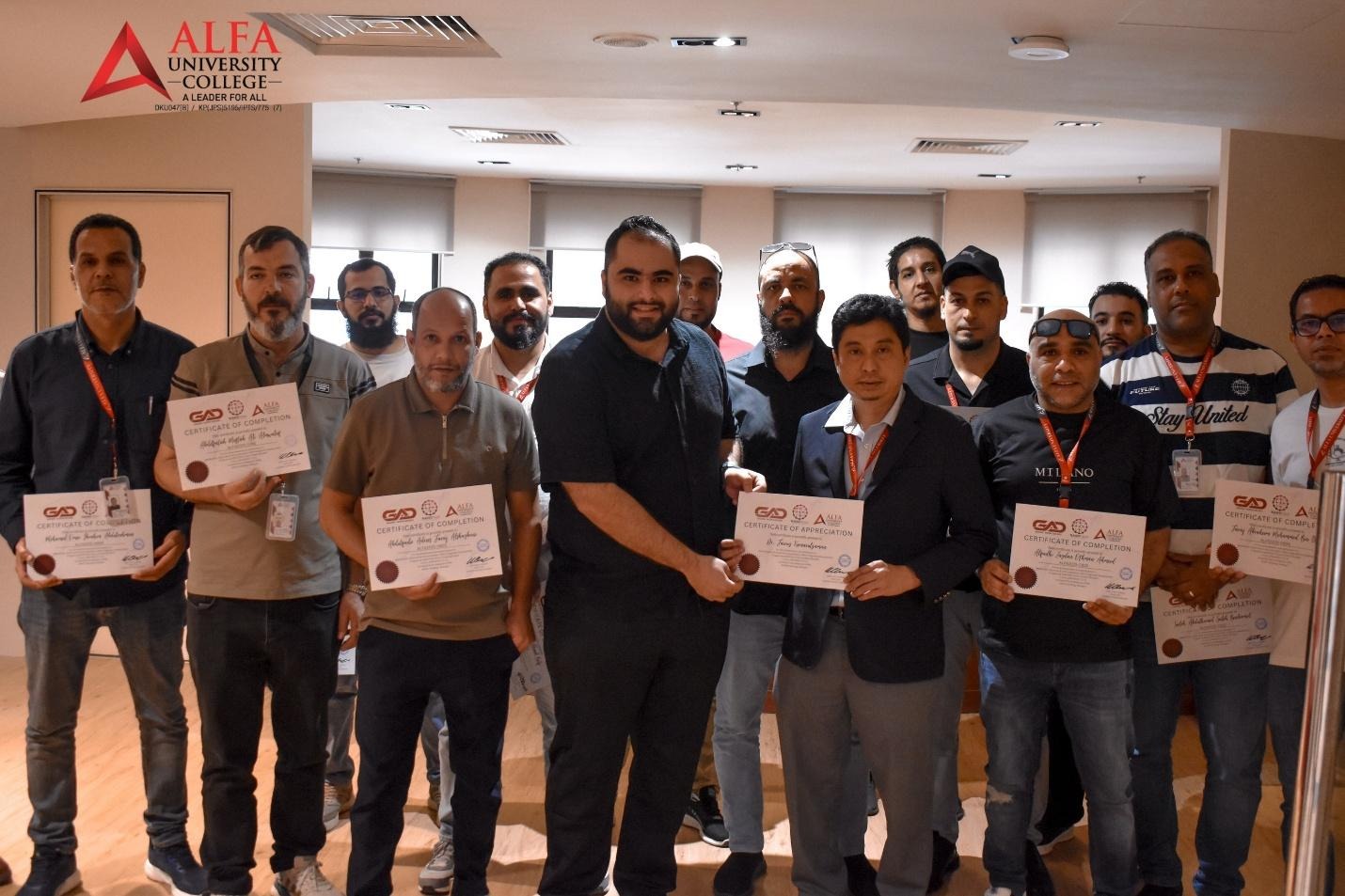
The College’s wider lifelong learning activities promote opportunities for working professionals, entrepreneurs, alumni and community members to acquire sustainability-related knowledge and practical skills.
Through public educational programmes, workshops and continuing education activities, AUC encourages engagement with environmental responsibility, sustainable business practices and community development.
These opportunities enable individuals to strengthen their understanding of sustainability challenges and consider their application within professional and personal settings.
By extending relevant learning activities beyond formal degree programmes, AUC reinforces the importance of lifelong learning in building sustainable communities and organisations.
The College recognises that continued education is essential as environmental, technological and socioeconomic conditions evolve.

Developing Sustainability Competencies and Responsible Graduate Attributes
AUC recognises that dedicated sustainability education should contribute to clearly identifiable competencies and professional attributes.
Through sustainability-focused courses and relevant practical learning activities, the College seeks to strengthen students’ understanding of environmental, economic and social responsibilities.
Important learning competencies include critical thinking, ethical reasoning, systems thinking, evidence-based decision-making, collaborative problem-solving and awareness of sustainable development challenges.
Students are encouraged to appreciate the long-term implications of professional decisions and recognise the importance of balancing competing economic, social and environmental priorities.
These competencies are relevant to graduates pursuing careers in architecture, tourism, supply chain management, business, technology and other professional disciplines.
By connecting sustainability knowledge with professional skills, AUC seeks to prepare graduates who can contribute responsibly to organisational development, environmental protection and community well-being.

Monitoring the Effectiveness of Sustainability-Focused Courses
AUC recognises the importance of maintaining relevant, academically rigorous and professionally applicable sustainability education.
The College’s curriculum review and academic quality assurance processes provide opportunities to evaluate course content, learning outcomes, assessment methods and student engagement.
Relevant indicators for monitoring sustainability education include the number of dedicated courses addressing SDG themes, student enrolment, successful course completion, relevant learning outcomes and participation in sustainability-related academic projects.
The College also recognises the importance of obtaining feedback from students, academic staff, industry representatives and other relevant stakeholders.
Such feedback can help identify emerging sustainability topics and opportunities to improve the practical relevance of existing subjects.
Through continuous curriculum review and academic development, AUC seeks to strengthen the effectiveness of sustainability-focused education and ensure its continued relevance to contemporary professional and societal challenges.
Strengthening the Relationship Between Dedicated Courses and the 17 SDGs
AUC’s dedicated sustainability-related subjects contribute to an educational environment where students can explore several interconnected Sustainable Development Goals through their professional disciplines.
The College recognises that the SDGs are mutually reinforcing and that addressing sustainability challenges requires understanding relationships among environmental protection, economic prosperity, social inclusion and responsible governance.
For example, sustainable architecture connects environmental protection with resource efficiency and urban development.
Sustainable tourism links economic opportunity with cultural preservation and environmental responsibility.

Sustainable supply chain education promotes responsible production, resource management and ethical organisational practices.
Responsible artificial intelligence education connects technological advancement with fairness, accountability and social well-being.
Through these connections, AUC seeks to help students understand how specialised academic knowledge can contribute to broader sustainable development objectives.
At Alfa University College, we believe that meaningful sustainability education is essential for developing graduates who can respond responsibly and effectively to the environmental, social and economic challenges of the modern world.
Learning for a Sustainable World: Alfa University College’s Dedicated Courses on Sustainability and the SDGs
At Alfa University College (AUC), Malaysia, we recognize that education is the foundation for achieving a sustainable future. Guided by the principles of the United Nations Sustainable Development Goals (SDGs), AUC offers a range of dedicated courses and academic programs that address sustainability challenges, promote environmental awareness, and prepare students to become leaders in sustainable development.
These courses are designed to equip students with the knowledge, skills, and ethical perspective needed to contribute meaningfully to society and the planet. By integrating sustainability concepts into our teaching, research, and community engagement, AUC ensures that every learner understands their role in shaping a better future.
Our key initiatives include:
- Dedicated Sustainability Courses: AUC offers specialized subjects focused on environmental management, renewable energy, sustainable business practices, green technology, and social innovation, allowing students to explore sustainability from multiple disciplines.
- Integration of SDG Topics Across Curricula: Beyond standalone courses, sustainability themes are embedded throughout undergraduate and postgraduate programs, ensuring that all students gain a practical understanding of the SDGs regardless of their field of study.
- Research and Project-Based Learning: Students engage in research projects, case studies, and innovation challenges that address sustainability issues locally and globally, fostering analytical thinking and problem-solving skills.
- Community and Industry Collaboration: Many courses involve partnerships with NGOs, industry experts, and government agencies, giving students real-world exposure to sustainable practices and policies.
- Global Perspective and Lifelong Learning: Through international collaborations, guest lectures, and online learning modules, students gain a broad understanding of sustainability frameworks and best practices across cultures and sectors.


At Alfa University College, sustainability education is not just an academic pursuit, it is a shared commitment to building a more responsible and resilient world. Through our dedicated courses and programs, we empower students to think critically, act responsibly, and lead confidently in driving progress toward the SDGs.